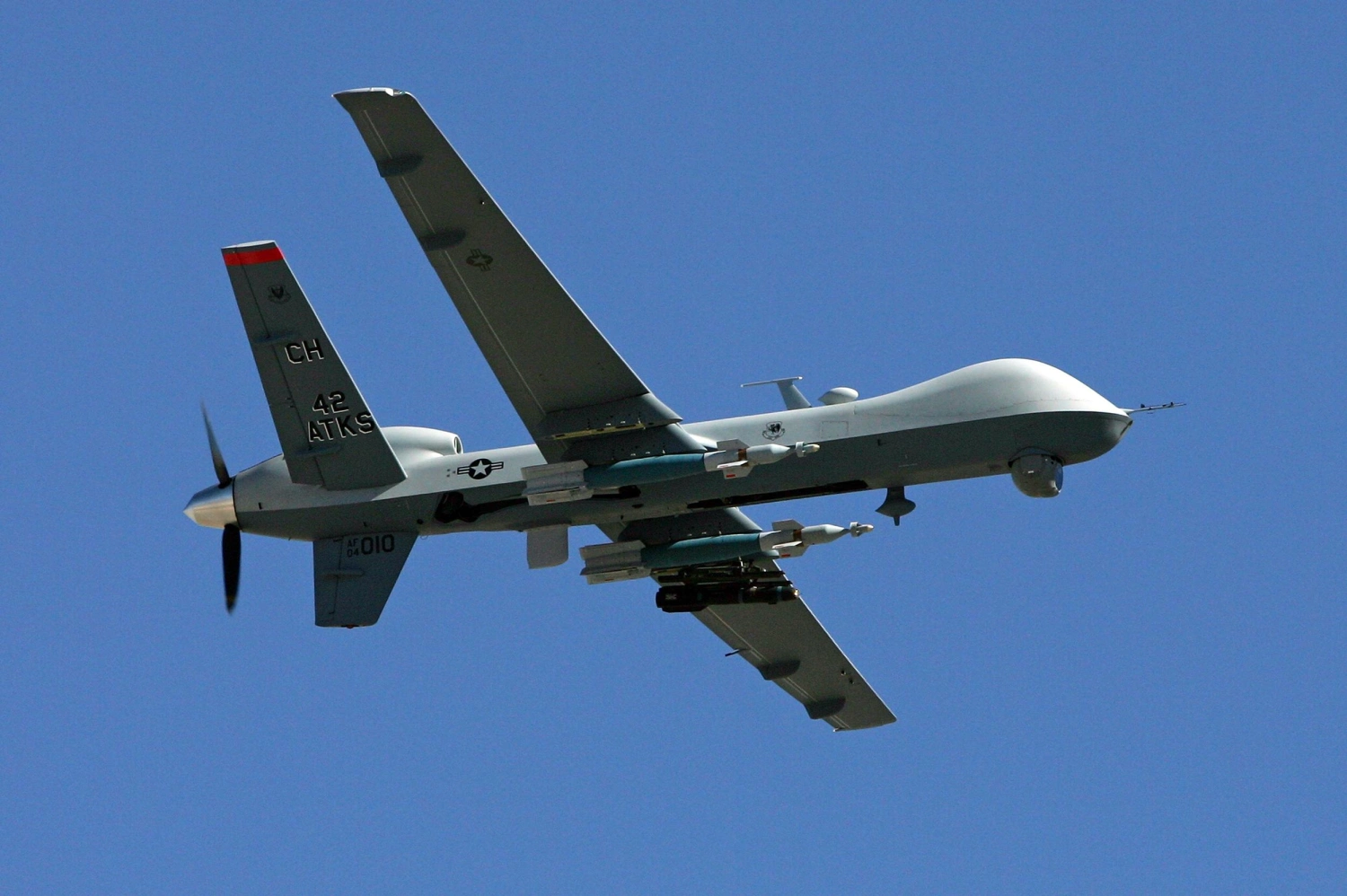
The Islamic State West Africa Province (ISWAP) is planning coordinated drone attacks on Nigerian military positions in parts of Borno and Yobe states, according to a report by Premium Times.
The report, citing security sources, said the insurgent group has significantly expanded its unmanned aerial vehicle (UAV) capability and is finalising plans to deploy multiple drones simultaneously against military formations and patrol teams operating in key conflict areas.
According to the findings, ISWAP fighters operating in the Timbuktu Triangle and Sambisa Forest axis recently received a fresh supply of about 35 drones, allegedly transported through routes around the Lake Chad basin.
The drones are said to have undergone test flights and are now operational, raising concerns within the military about a possible escalation in the group’s use of aerial warfare.

Read Also: Bandits enforce N50,000/acre ‘farm taxes’ on Kano, Katsina communities
ISWAP has increasingly relied on commercially modified drones in recent years, using them for surveillance, tracking troop movements and, in some instances, dropping improvised explosive devices on military positions.
Security analysts quoted in the report said the group’s growing drone capability mirrors tactics adopted by extremist organisations in other conflict zones, where low-cost UAVs are used to offset conventional military disadvantages.
Nigeria’s armed forces have intensified counter-insurgency operations across Borno, Yobe and Adamawa states, reclaiming territory and disrupting insurgent networks. However, insurgent groups have continued to adapt, deploying roadside bombs, ambushes and aerial surveillance.
The report said the latest intelligence has prompted calls within the military for urgent deployment of counter-drone systems to protect troops and installations in frontline areas.

The Nigerian Army and the Defence Headquarters have not commented publicly on the report, but military officials have previously acknowledged the growing challenge posed by insurgents’ use of technology.
The Boko Haram conflict, which began in 2009, has killed tens of thousands of people and displaced millions across Nigeria’s North-East. ISWAP, which split from Boko Haram in 2016, remains one of the most lethal armed groups in the Lake Chad region.