…cites threats to sovereignty, waste of taxpayer funds
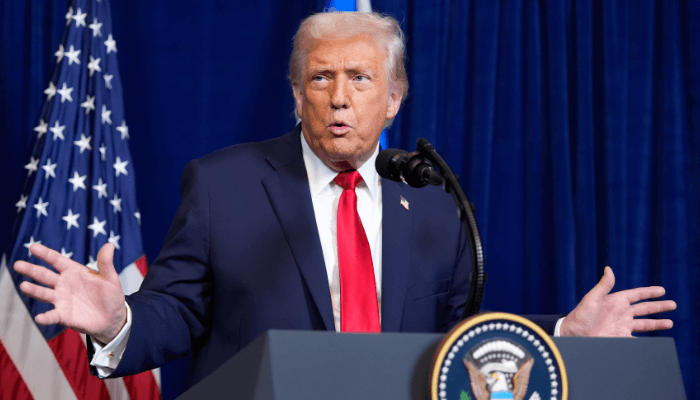
President Donald Trump has signed a Presidential Memorandum directing the withdrawal of the United States from 66 international organisations, marking a sweeping escalation of his administration’s “America First” foreign policy agenda.
According to the memorandum, shared by the White House on Wednesday evening via its official X handle, the decision followed an extensive review of international organizations, conventions, and treaties to determine which no longer serve U.S. interests.
Trump said the review identified bodies whose activities were “contrary to the interests of the United States.” The directive orders all U.S. Executive Departments and Agencies to immediately cease participation in and funding for 35 non–United Nations organisations and 31 UN entities deemed to operate against U.S.
national interests, security, economic prosperity, or sovereignty.

Read also: Trump threatens military operation against Colombia, after Venezuela raid
“This action ends American taxpayer funding and involvement in entities that advance globalist agendas over U.S. priorities, or that address important issues inefficiently or ineffectively,” the memorandum stated, adding that taxpayer resources would be better allocated to domestic priorities and more effective international engagements.
The White House said the withdrawals are aimed at restoring American sovereignty and ending U.S. participation in organisations that undermine national independence while delivering little value to taxpayers.
Administration officials argue that many of the affected bodies promote what they describe as radical climate policies, global governance structures, and ideological programmes that conflict with U.S. economic strength and sovereignty.
They also contend that billions of dollars in U.S. contributions have yielded limited returns, while some organisations openly criticize U.S. policies or advance agendas at odds with American values.

By exiting the organisations, the administration said it expects to save taxpayer funds and refocus national resources on priorities such as infrastructure development, military readiness, border security, and the protection of American businesses from foreign interference.
The latest move builds on a series of similar actions taken since Trump began his second term. Shortly after returning to office, he initiated the withdrawal of the United States from the World Health Organisation (WHO) and the Paris Climate Agreement.
On his first day back in office, Trump also signed a memorandum notifying the Organisation for Economic Co-operation and Development (OECD) that its Global Tax Deal has no force or effect in the United States.
He further ordered an investigation into whether foreign tax regimes unfairly target or disproportionately affect American companies.
Weeks later, Trump signed an Executive Order withdrawing the U.S. from the UN Human Rights Council (UNHRC) and banning any future U.S. funding for the UN Relief and Works Agency for the Near East (UNRWA).
WHO and UN Funding Implications
The U.S. withdrawal from the WHO is set to take effect on January 22, 2026, one year after the White House ordered the exit. Between 2024 and 2025, the United States contributed approximately $261 million to the WHO about 18 percent of the organisation’s total funding, supporting global health efforts on issues such as tuberculosis and pandemic preparedness, including COVID-19.
The Trump administration has also continued a ban on U.S. funding for UNRWA, a policy that began under the administration of former President Joe Biden.
Trump’s confrontational stance toward multilateral institutions is not new. In October last year, he threatened sanctions against diplomats who adopted a levy on polluting shipping fuels, a move that effectively stalled the agreement for a year.
During his first term, Trump also warned he would cut aid to countries that supported a UN resolution condemning the U.S. decision to recognise Jerusalem as Israel’s capital.
As a permanent member of the UN Security Council, the United States wields significant influence, including veto power. The U.S. has repeatedly used this power, including to block measures aimed at ending Israel’s war on Gaza, before later helping to mediate a ceasefire late last year.
Trump previously withdrew the U.S. from the WHO, the Paris Climate Agreement, and the UN Human Rights Council during his first administration, though those decisions were later reversed under President Joe Biden.
With the latest memorandum, the Trump administration has signaled a renewed and more expansive push to redefine U.S. engagement with international institutions, one that places sovereignty, fiscal restraint, and national interest at the center of American foreign policy.