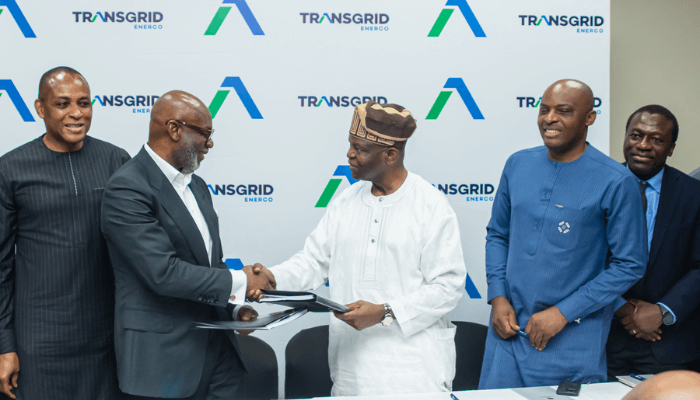
When Transgrid Enerco completed its acquisition of a 60 percent major stake in Eko Electricity Distribution Company seven days ago, it marked more than just another changing of hands in Nigeria’s troubled power sector.
The deal, valued at approximately N360 billion including assumed liabilities, represents a calculated bet by a consortium comprising North-South Power (NSP), owners of Shiroro Dam; Stanbic Infrastructure Fund, and Axxela, an oil and gas company, on solving the chronic power crises facing Nigeria’s commercial capital.
The transaction transfers control of one of Nigeria’s most strategically important distribution companies, serving over 1.3 million customers across Lagos and neighbouring Ogun State. For the investors behind Transgrid Enerco, the acquisition is both an opportunity and a test case: can private capital and operational expertise succeed where previous owners stumbled?
At the helm of this ambitious venture stands a team whose combined experience spans highway engineering, corporate finance, investment banking, and energy infrastructure.

Read also: Transgrid Enerco pledges improved service after acquisition of 60% stake in Eko Disco
Their profiles reveal an assembly of skills aimed at addressing the multifaceted challenges that have plagued Nigeria’s electricity distribution sector since privatisation began in 2013.
Olubunmi Peter – the engineer’s touch
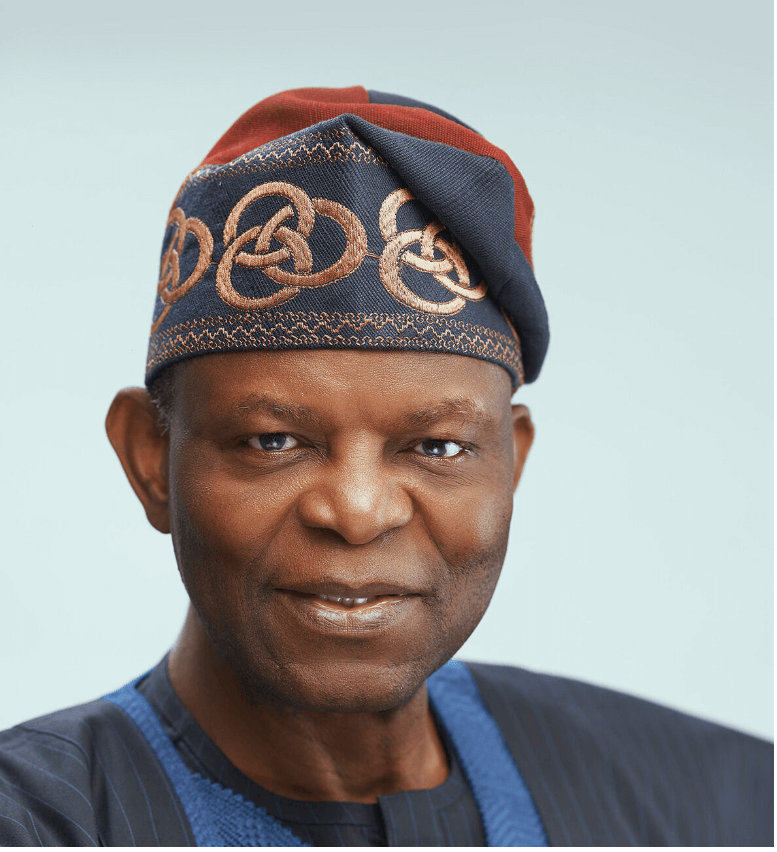
Leading the consortium as Olubunmi Peters, as chairman, whose four-decade career bridges American technical training and Nigerian infrastructure development.
Peters, who earned degrees in civil and highway engineering from universities in Texas and California, brings a systems-thinking approach honed during his tenure as managing director of the Federal Road Maintenance Agency from 2006 to 2009.

Peters’s 28 years in public service provide crucial government relations expertise at a time when regulatory approval and stakeholder management will determine the project’s success.
His current board positions at Roads Nigeria PLC and internationally at Shaw University in North Carolina underscore his comfort operating across public and private sectors.
George Nwangwu – deal architect
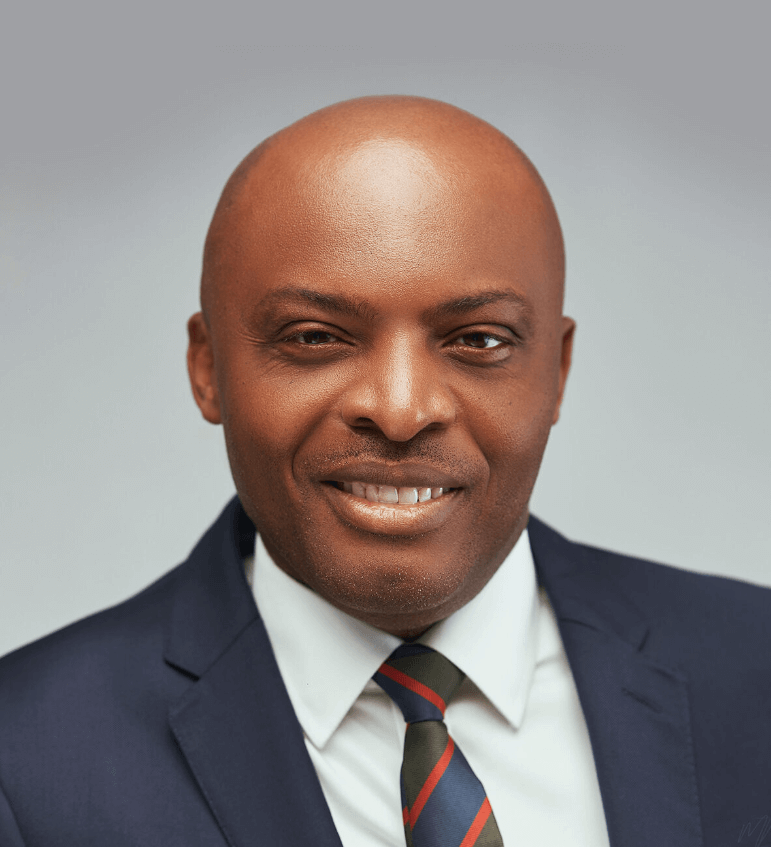
George Nwangwu, whose involvement brings heavyweight credentials in public-private partnerships, has advised on over 100 privatisation transactions worth more than $4.5 billion. His academic pedigree, law degrees from the University of Lagos and University College London, plus a PhD from the University of Hull, combine with practical experience as PPP Project Coordinator at Nigeria’s Federal Ministry of Finance.
Nwangwu’s role appears strategic. His relationships and expertise in structuring deals that satisfy multiple stakeholders likely proved instrumental in navigating the acquisition’s regulatory hurdles.
Kolapo Joseph- Investment banker

The involvement of investment banker Kolapo Joseph adds another dimension. As an executive who has raised over $10 billion for infrastructure projects across West and Central Africa during stints at Vetiva Capital Management and United Capital, Joseph brings critical capital markets access.
His current role as chief corporate finance & development officer at North South Power Company, where he structured Nigeria’s first corporate green infrastructure bond, signals potential financing innovations for Eko DisCo’s capital-intensive upgrade requirements.
Read also: Transgrid Enerco acquires 60% of Eko DisCo in N360bn deal
Faruk Aliyu & Dolu Olugbenjo- operations and execution
Faruk Aliyu

The inclusion of Faruk Aliyu and Dolu Olugbenjo addresses the operational challenges that have bedevilled Nigerian distribution companies.
Aliyu’s experience managing a 4,000-person workforce at Abuja Electricity Distribution Company provides direct relevant experience. During his tenure there, he achieved measurable improvements in regulatory compliance and customer satisfaction while implementing significant cost savings, precisely the operational turnaround Eko DisCo requires.
Dolu Olugbenjo
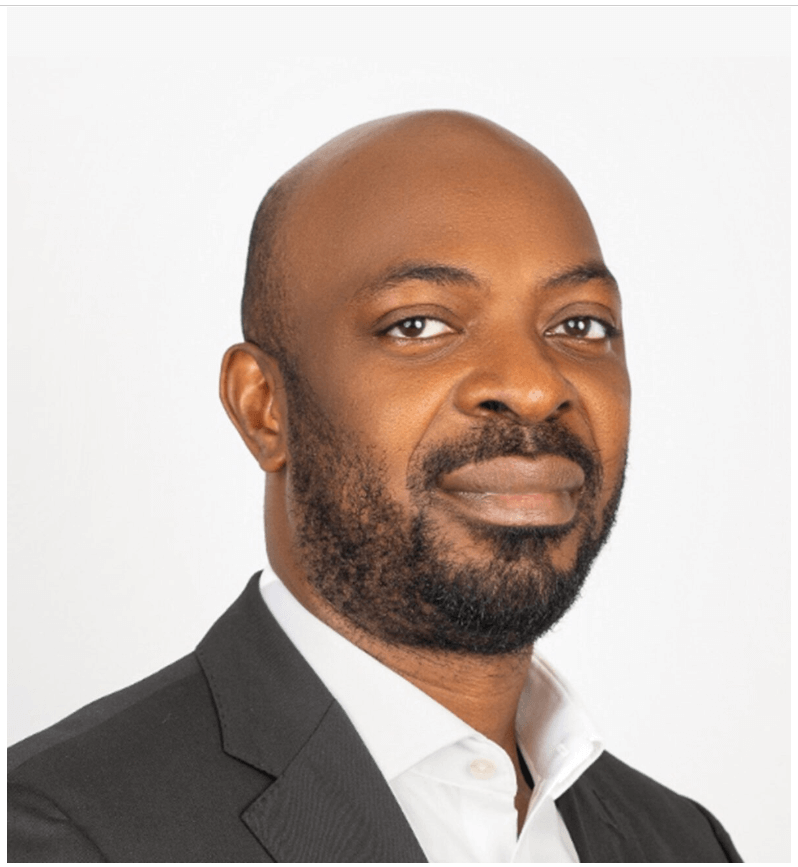
Olugbenjo, as chief investment officer at Stanbic IBTC Infrastructure Fund, represents institutional investor discipline. His track record facilitating over $7 billion in infrastructure capital, including both greenfield and brownfield projects, suggests a long-term investment horizon rather than quick-flip financial engineering.
Olufisayo Duduyemi- Gas connection
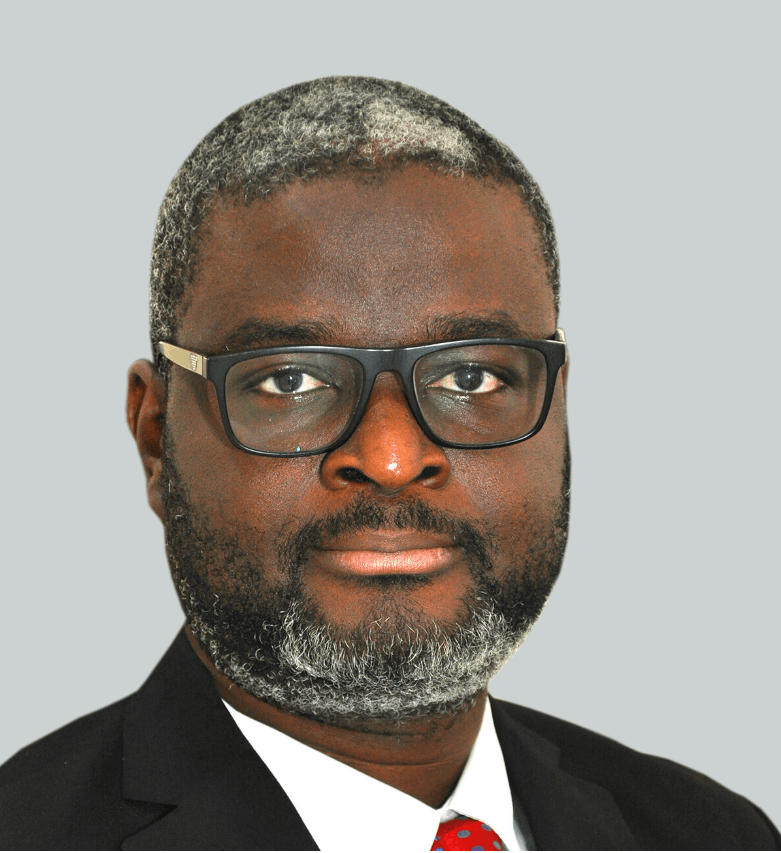
Perhaps most intriguing is the presence of Olufisayo Duduyemi, managing director of Axxela Limited and first vice president of the Nigerian Gas Association. Duduyemi’s background in gas infrastructure, including the construction of a 128-kilometre gas transmission pipeline and the development of captive power projects, points to a potential strategy of vertical integration.
Nigeria’s power sector suffers from chronic gas supply constraints. A distribution company owner with deep gas sector connections and infrastructure development experience could potentially secure more reliable fuel supply for generation partners, addressing one of the sector’s fundamental bottlenecks.
Read also: Transgrid Enerco signs agreement to acquire Eko DisCo
What’s at Stake
The Eko DisCo acquisition arrives at a pivotal moment. Nigeria’s electricity distribution companies have struggled with ageing infrastructure, revenue collection challenges, and technical losses that often exceed 40 percent.
Previous owners of Eko DisCo faced criticism over insufficient investment and service quality that left customers frustrated.
The new consortium must navigate formidable challenges: upgrading substations and distribution networks requiring hundreds of millions in capital investment, improving revenue collection in a market where many customers resist payment, and managing relationships with the national grid whose unreliable supply constrains distribution company performance.
Industry analysts note that the deal’s structure, details of which remain largely confidential, likely includes performance targets linked to reducing technical losses, improving customer service metrics, and expanding access.
For Lagos, home to over 17 to 21 million people and generating roughly 30 percent of Nigeria’s GDP, reliable electricity remains a fundamental constraint on economic growth.
Whether this group of investors can succeed where others have struggled will resonate far beyond the power sector, potentially influencing investor confidence in Nigeria’s broader infrastructure opportunities.