…Job seekers who treat LinkedIn like a resume database are being quietly overlooked
…Recruiters are sourcing talent the same way audiences discover creators, through activity, relevance, and visibility
…Profiles that remain static, like no posts, outdated headlines, and minimal interaction are largely unnoticeable even when candidates are highly qualified

Following the wave of layoffs that swept through multiple sectors globally in 2025, hiring experts say one mistake that is increasingly costing job seekers opportunities, is relying solely on job applications, and not thinking like content creators.
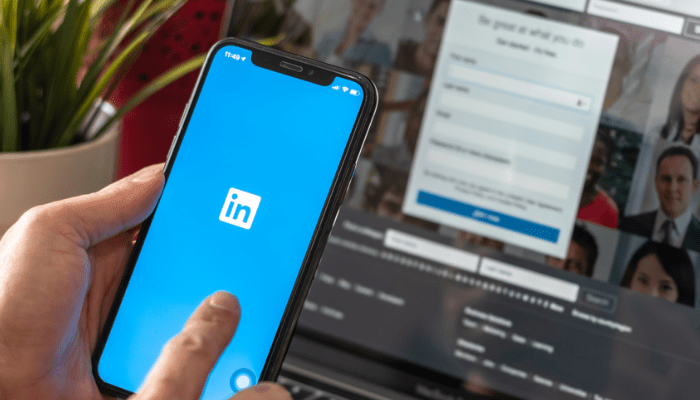
Recruiters and career strategists argue that professionals who continue to treat LinkedIn as nothing more than a digital résumé database are being quietly overlooked. By contrast, candidates who adopt a creator-style approach, marked by consistent posting, visible engagement and well-optimised profile are securing interviews without formally applying for roles.
The shift reflects a broader change in how employers now identify talent, placing greater weight on visibility and demonstrated expertise than on applications alone.
Speaking exclusively to Business day, Brian Futral, head of content marketing at The Marketing Heaven, a UK-based digital growth consultancy, said that recruiters are sourcing talent in much the same way audiences discover content creators- through LinkedIn activity, relevance and engagement rather than static CVs.
Read also: Most job seekers don’t survive the first filter on Linkedin- Report

“Hiring has become a visibility game,” he said “If you are not showing up consistently or contributing to conversations in your industry, you are effectively invisible, no matter how strong your CV is”.
Futral added that professionals who fail to adopt a creator mindset risk being left behind, as recruiters increasingly prioritise candidates who signal value through thought leadership, interaction and an active professional presence. “We are seeing more people land interviews simply because they are visible, credible and engaged, not because they submitted dozens of applications,” he said.
Expert says job seekers must think like creators to get hired in 2026
After mass layoffs and shrinking job posts, visibility and not applications is becoming the fastest path to employment.
As layoffs stretched globally across tech, media, retail, and professional services throughout 2025, millions of job seekers entered 2026 competing for fewer publicly listed roles.
But according to digital growth experts, the biggest mistake many displaced workers are making is relying on traditional applications in a system that increasingly rewards visibility instead.
“Hiring hasn’t disappeared. It’s just moved upstream,” said Futral said. “Recruiters are sourcing talent the same way audiences discover creators, through activity, relevance, and visibility. If you’re not showing up in feeds or searches, you’re effectively invisible.”
Read also: Why Nigerian professors, lecturers need a strong Linkedin profile
Why the creator mindset now applies to careers
In 2026, recruiters increasingly rely on LinkedIn search filters, activity signals, and engagement patterns to identify potential candidates. Profiles that remains static, like no posts, outdated headlines, and minimal interaction, rarely surface, even when candidates are highly qualified.
“LinkedIn operates on algorithms, not intentions,” Futral explained. “Just like with creators, consistency and relevance matter. The platform favors people who demonstrate expertise publicly, not those who wait quietly to be discovered.”
Employers are increasingly moving beyond traditional résumé assessments, placing greater emphasis on how professionals communicate industry insights. They are looking at whether candidates engage thoughtfully with peers and leaders, contributing meaningfully to discussions within their professional communities.
Equally important is how clearly individuals articulate their value through content and interactions, signalling expertise, creativity and problem-solving capabilities. These behaviours serve as live evidence of skills, proof that a static PDF résumé rarely conveys. In effect, recruiters are seeking candidates who demonstrate their impact in real time, not merely on paper.
Read also: Professionals move to advance LinkedIn innovation, future of work in Nigeria
From applications to inbound interest
According to Futral, data from hiring managers and recruiters increasingly shows that many roles are being filled before they are ever posted publicly.
For businesses, sourcing candidates directly through LinkedIn reduces hiring costs, speeds up decision-making, and lowers the risk of poor cultural fits.“The smartest candidates aren’t sending 200 applications anymore,” said Futral. “They’re positioning themselves so recruiters come to them.”
He noted that professionals who see the strongest inbound recruiter interest typically optimise their LinkedIn presence by using role-specific keywords in headlines, ensuring they appear in relevant searches.
These professionals post or engage meaningfully several times per week, sharing insights that are tied to current industry trends to demonstrate expertise and stay visible. Above all, they treat their profiles like landing pages, not mere timelines, presenting a curated, compelling view of their skills and achievements that captures recruiters’ attention.
Read also: Nine ways to build credibility on linkedin fast
A visibility crisis, not a talent shortage
While headlines often frame layoffs as evidence of shrinking opportunity, experts argue the real issue is discoverability.
“There’s no shortage of skilled professionals,” Futral said. “There’s a shortage of visible ones. In an algorithm-driven market, silence is no longer neutral because it’s a disadvantage.”
As hiring slows and competition tightens in 2026, professionals who fail to adapt risk being filtered out before a conversation ever begins.
The new career reality
Just as brands must earn attention before conversion, job seekers must now earn visibility before interviews.
“Thinking like a creator doesn’t mean becoming an influencer,” Futral added. “It means understanding how platforms work and using them intentionally. In 2026, that’s not self-promotion, but rather a career survival.”