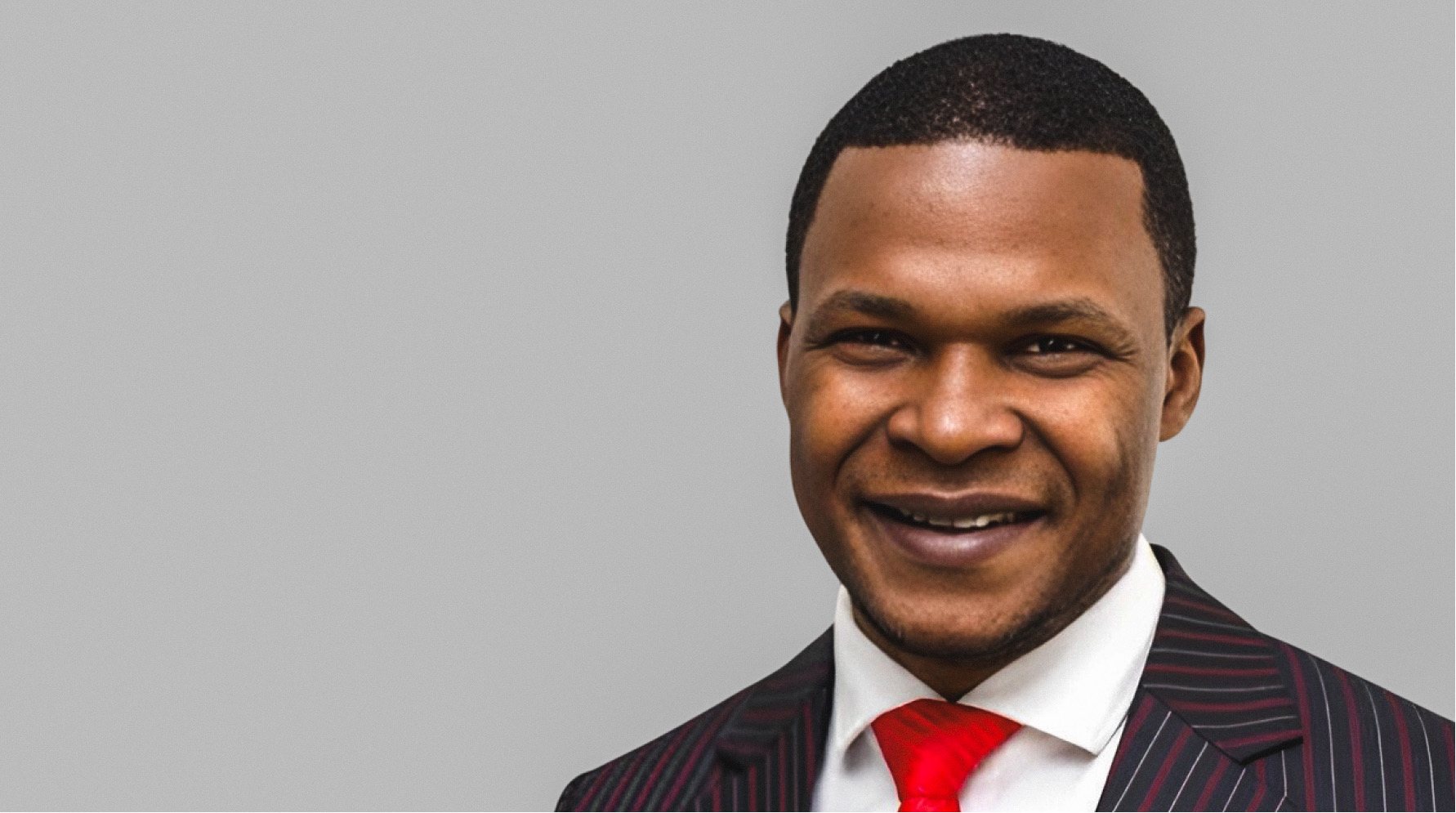
NJ Ayuk is a force to be reckoned with in Africa’s energy landscape. As the driving force behind the African Energy Chamber (AEC), he’s leading the charge against energy poverty, advocating for African-led solutions, and challenging Western double standards. With over 600 million Africans lacking access to electricity and nearly a billion without clean cooking solutions, Ayuk’s mission is clear: harness Africa’s resources to power its growth and improve lives. He’s unapologetic about prioritizing hydrocarbons, particularly natural gas, as a vital component of the continent’s development pathway. Ayuk’s vision is rooted in pragmatism, not ideology, and he’s vocal about the need for Africa to chart its own energy course. His leadership has shifted the narrative, forcing critics to reevaluate their assumptions and join the cause. Now, he’s calling for a new generation of leaders to prioritize African unity and progress. With Ayuk at the helm, Africa is poised to forge a path that balances economic growth, energy access, and environmental stewardship – on its own terms. Driving Africa’s energy future with conviction and purpose always.
Championing Africa’s Energy Autonomy: An Unwavering Stand
NJ Ayuk is unafraid to challenge the status quo, insisting that Africa’s energy future be shaped by Africans themselves. As external pressures mount, he remains laser-focused on the continent’s most urgent need: bridging the energy access gap. His unapologetic stance has become a beacon for those demanding a more nuanced approach to Africa’s development.
“Authenticity is the ultimate disruptor,” Ayuk asserts, embodying the defiant optimism that has defined his crusade. “If you really believe in what you do and stay at it, sooner or later, the world and the critics will cross over to you rather than you cross over to them.” For Ayuk, the proof lies in the transformative power of conviction: “Admiration has an expiration date but commitment never expires. We have shown that with our unapologetic belief in oil and gas for Africa’s development. Many weren’t always with us, but now they feel proud about #DrillBabyDrill and Africa’s unapologetic right to produce every drop of hydrocarbons it can find to get our people out of energy poverty.”

Shifting the Narrative: A Pragmatic Push for Energy Access
With this unwavering commitment, Ayuk has not only challenged the status quo but has also shifted the narrative, forcing critics to reevaluate their assumptions and join the cause. Over 600 million Africans live without access to electricity, and nearly a billion are denied the basic dignity of clean cooking solutions. Energy poverty costs Africa an estimated 2-3% of GDP annually, stifling economic growth and job creation. In the face of these stark statistics, Ayuk argues that Africa’s energy future must be built on pragmatism, not ideology. He contends that hydrocarbons, particularly natural gas, are vital components of the continent’s development pathway, offering a bridge to a more prosperous and sustainable future.
Charting Africa’s Own Course: Balancing Growth and Sustainability
By asserting Africa’s right to chart its own energy course, Ayuk challenges the dominant narrative that seeks to impose Western environmental priorities on the continent. He recognizes that Africa’s energy needs are distinct, and its solutions must be tailored to its unique context. With Ayuk at the forefront, Africa is empowered to forge a path that balances economic growth, energy access, and environmental stewardship – on its own terms.
Ayuk’s vision for Africa’s energy future is underpinned by a pragmatic approach to energy infrastructure development. “We need to pipe gas across Africa and make sure that we get gas into the homes of people,” he advocates, highlighting the critical role of regional partnerships and collaborations in enhancing energy security. This entails building pipelines and infrastructure that enable the seamless movement of energy resources, medicines, food, and other essentials across the continent.

Calling Out Hypocrisy: Championing Gas for Africa’s Growth
Ayuk is unequivocal about the need to push back against Western double standards: “Western Environmentalists say ‘no, don’t build pipelines.’ But when you talk about building pipelines in Europe and America, nobody cares. That is wrong.” He makes a compelling case for natural gas as a cleaner, better, and greener energy source that can drive Africa’s development. “Natural gas is friendlier than anything else,” he says, underscoring the need for Africa to harness its resources to power its growth and improve lives. “The Continent’s energy infrastructure is one of the big problems that need solving if we want the seamless movement of gas or any form of petrochemical, even medicines or food, to people across Africa”.
Reframing the Narrative: A New Vision for Africa’s Energy Sovereignty
Through his visionary leadership at the African Energy Chamber (AEC), NJ Ayuk has been the driving force behind a paradigm shift in Africa’s oil and gas narrative – one that prioritizes development, fairness, and sovereignty. He has fearlessly called out the global energy double standards that allow Western economies to invest in their own fossil fuel projects while pressuring African nations to abandon their hydrocarbon resources. By challenging this hypocrisy, Ayuk has successfully reframed the energy debate, anchoring it in the realities of Africa’s unique context.
Under his stewardship, the AEC has evolved into a powerful platform where African voices shape the continent’s energy agenda. It’s a space where producers, policymakers, investors, and service companies converge to articulate African priorities, unfiltered and unapologetic. Through high-impact events like African Energy Week, strategic media engagement, and relentless policy advocacy, Ayuk has turbocharged Africa’s presence in global energy discussions, re-energizing investment conversations and opportunities across the continent.
Africa’s Path, Africa’s Terms:
By centering fairness, sovereignty, and realism, Ayuk’s approach asserts that Africa’s energy transition must be tailored to its own starting point, infrastructure gaps, and development imperatives – not dictated by external ideologies or interests. It’s a bold reimagining of Africa’s energy future, one that leverages the continent’s resources to drive economic growth, human development, and a more equitable global energy order.
Balancing Energy, Growth, and Unity
Ayuk’s vision for Africa’s energy security is inextricably linked to the continent’s broader geopolitical landscape. “Geopolitical factors can impact energy security,” he warns, emphasizing the need for African nations to navigate these complexities to ensure a stable and reliable energy supply. For Ayuk, one key solution lies in dropping visa barriers across the continent. “We need to become visa-free,” he insists, pointing out the absurdity of Africans needing visas to travel within Africa. “It doesn’t make sense that an African child has to ask for a visa to go around Africa.”
Unifying Africa: A Bold Call for Visa-Free Access
Ayuk’s stance is unequivocal: visa-free access should be a fundamental principle of the African Union. “If you don’t give visa-free access to Africans, get out of the African Union, you’re ‘Un-African’,” he declares, stressing that intra-African cooperation is critical to unlocking the continent’s potential. With intra-African trade stuck at less than 10%, Ayuk attributes the stagnation to elitist leadership and a lack of decisive action. “We need people who can get these things done and make things happen,” he urges, calling for a new generation of leaders who prioritize African unity and progress.
Championing Africa’s Energy Future
Since 2018, the African Energy Chamber (AEC) has been a driving force behind Africa’s energy transformation, championing sustainable investments, best practices, and African-led solutions. The AEC’s impact is palpable: policy reforms are unfolding, investments are flowing, and local capacity is building. As a tireless advocate for Africa’s energy future, Ayuk’s unapologetic stance on deal-making and ending energy poverty has positioned Africa as a key player in the global energy transition.
“African Energy Chamber represents the majority of African job creators in the energy sector,” Ayuk emphasizes, “and we’re a trusted partner to governments, advising them on our members’ views to help shape policies that drive growth and create jobs in Africa’s petroleum countries.” The AEC is Africa’s leading advocate for investing in the continent’s natural resources, backed by support from business leaders and entrepreneurs across Africa. With gas infrastructure investments on the rise and landmark reforms transforming the energy landscape in Nigeria, Angola, Senegal, Cameroon, Equatorial Guinea, Congo, South Sudan, Uganda, and Tanzania, “there couldn’t have been a better time to do business in Africa,” Ayuk says.
African Energy Week: Where Deals Happen, And Barriers Fall
The African Energy Chamber’s flagship event, African Energy Week (AEW), was born out of a need to bring the discussion about Africa’s energy future back to the continent. “Prior to COVID-19, major energy events discussed key topics about Africa in international locations – from Houston to Dubai to London. And during COVID-19, when it was imperative to protect Africa’s interests, we saw major conferences abandon the continent for Dubai, taking the discussion and economic benefits away from the community,” Ayuk recalls. AEW proved Africa can host international energy conferences.
“When we launched AEW in 2021, our vision was ambitious. Seeing dozens of ministers, presidents, multinationals, financiers, and international institutions converge annually exceeded our initial expectations. What started as a bold conference has matured into a movement,” Ayuk says. AEW convenes governments, national oil companies, investors, and tech providers, driving capital mobilization and project acceleration.
5 Years of Impact: Deals, Deals, and More Deals
In five years, AEW has delivered transformative outcomes: facilitating multi-billion-dollar deals, institutionalizing platforms like the African Farmout Forum and Deal Room, and shaping energy policy dialogue across Africa. “We launched initiatives like the African Green Energy initiative and the Just Energy Transition Concert, amplifying green energy investment and inclusive engagement,” Ayuk highlights. Strategic financing commitments have flowed – like Afreximbank channelling over $120 million in 2024, and projects like hydrogen exploration in The Gambia and gas facility funding in Nigeria.
“We’ve built the continent’s prime energy forum – where deals happen, and barriers fall. Our global mission is shifting perception. AEW’s future is to deepen impact, expanding satellite forums, reinforcing policy-to-project pipelines, and embedding digital integration and sustainability at every stage,” Ayuk says. “We aim to revolve AEW into a year-round engine for capital flow, institutional building, and continuous energy transformation.”
A Legacy of Impact
NJ Ayuk’s influence extends far beyond Africa’s borders, with his voice resonating in global boardrooms and international forums. His cutting-edge leadership has earned him a spot among The Most Influential Africans of 2025, as recognized by New African, the pan-African magazine published by IC Publications. This prestigious recognition places Ayuk among a distinguished cohort of leaders, innovators, and change-makers shaping Africa’s trajectory, for his role in representing the conscience of the African oil and gas industry for the benefit of the continent.
“We have a clearly developed plan to forcefully defend the energy sector,” Ayuk concludes. “It’s about outreach. It’s about building bridges, finding consensus and respect for those who disagree with us. Our goal is to find solutions. That is why we must fiercely defend the energy industry, protecting millions of good-paying jobs and eradicating energy poverty. Free enterprise and limited government must guide our push for energy project financing in Africa. The stakes are high – let’s champion the energy future Africa deserves.”