…As hardship cut across class, creed, geography
For many Nigerians, 2025 will not be recalled with nostalgia or pride. It will be remembered as a year of pain and quiet endurance, a year when survival itself became an achievement.
From bustling cities to remote rural communities, hardship cut across class, creed and geography. The year opened with cautious optimism, but quickly unfolded into a grim chronicle of economic strain, insecurity, social dislocation and personal loss. For millions, daily life became an exercise in resilience, as families learned to live with less, hope wore thin, and the future felt increasingly uncertain.
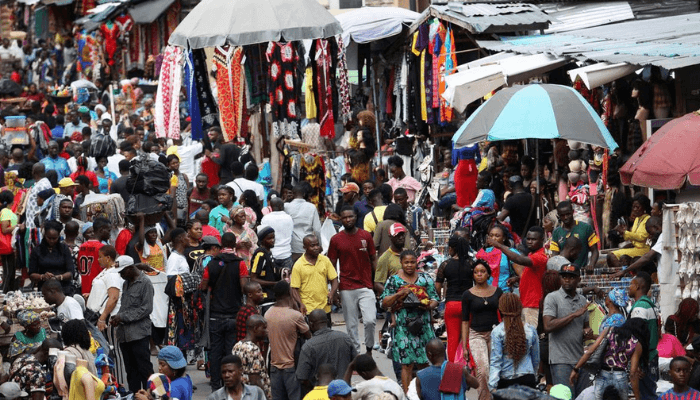
The economy was the first and most relentless source of anguish. Inflation may have slowed on paper, but in kitchens and marketplaces it continued to bite hard. Food prices remained punishing. Transportation costs stayed high. Basic services, already expensive since 2024, remained out of reach for millions despite marginal price drops. Parents watched helplessly as school fees climbed, hospital bills mounted and hard-earned savings vanished.

Read also: 2026 Outlook: Can tax reforms raise revenue without deepening hardship?
Small businesses, the backbone of Nigeria’s informal economy, struggled to stay afloat. Artisans lost customers who could no longer afford non-essential services. Even salaried workers, once considered relatively secure, found their earnings shrinking in real terms. For those without steady income, 2025 was a year of improvisation and desperation.
According to the World Bank’s latest Nigeria Development Update, poverty levels climbed to 61 percent in 2025, meaning about 139 million Nigerians live on less than $3 a day, up from 129 million in 2024.
“Between 2019 and 2023, average consumption fell by 6.7 percent, especially in urban areas, while poverty rose from 40 percent (81 million people) to a projected 61 percent (139 million people) by 2025,” the report said.
Beyond economic pain lay a deeper, more haunting crisis: insecurity. Communities continued to reel from banditry, kidnappings, insurgent attacks and violent crime. Highways once busy with commerce became corridors of fear. Travel plans were weighed against the risk of abduction. Entire villages were displaced, their residents forced into camps or unfamiliar cities with little more than memories of home.

In many cases, grief was compounded by silence, no justice, no closure, no clear sense that the state could protect its citizens. For those left behind, survival often meant suppressing trauma and pressing on.
Read also: Nigeria’s economy turning the corner, but citizens still trapped in hardship
Against this bleak backdrop, news of increased United States involvement in Nigeria’s fight against insecurity offered a rare moment of cautious optimism. The intervention, which later culminated in Christmas Day airstrikes targeting terrorists in Sokoto State, was widely welcomed by citizens desperate for any sign of reprieve. While it did not erase the scars of violence, it restored something equally vital: the sense that Nigerians were not entirely alone in confronting their security nightmare.
As the country moves forward, 2025 stands as both a warning and a testament. A warning of what happens when economic hardship and insecurity collide unchecked. And a testament to the quiet strength of a people who, despite everything, survived.
For many Nigerians, it is a year they would rather forget. But it is also a year that must not be forgotten, because within its suffering lie lessons the nation cannot afford to ignore.