I write this as neither a politician nor a partisan actor, but as a concerned Nigerian, a son of Ibadan in Oyo State who grew up on the same streets, shared the same dreams, and endured the same struggles as millions of citizens across the country today.
Although life has taken me beyond Nigeria’s shores, to places where leadership is held accountable, institutions function, and systems are designed to protect the people, my heart has never left home.
Distance has not diminished my concern; if anything, it has sharpened it. Across Nigeria, hardship has become a daily reality. Families have been displaced by banditry. Communities are mourning loved ones lost to senseless violence. Parents worry about the safety of their children, farmers fear going to their farms, and business owners hesitate to close late.
Hunger, insecurity, and economic pressure weigh heavily on ordinary citizens. These are not abstract statistics. They are lived experiences, real people, real pain, and real futures hanging in the balance.

No Nigerian deserves to live in fear. A nation blessed with abundant human and natural resources should not be defined by insecurity and despair. Yet, the persistence of these challenges points to a deeper problem: leadership that too often prioritises personal gain over public good.
At this critical moment, Nigerians must rise with unity and wisdom. The task before us is not merely to complain, but to act, by making informed and deliberate choices about who leads us. We must resist the culture of blind loyalty and begin to demand integrity, competence, and compassion from those who seek public office.
Those asking for our votes must be scrutinised. Their records must be examined, their promises questioned, and their character tested. Where familiar faces fail to inspire confidence, we must find the courage to support credible, selfless candidates with a clear vision and the discipline to resist being consumed by the very system they seek to reform.
Nigeria belongs to all of us, not to a privileged few. Its future should not be mortgaged to those who see leadership as a personal enterprise rather than a sacred trust.
Despite the pain, I remain hopeful. History shows that nations do not rise because of one individual, but through the collective determination of their people. When citizens choose courage over complacency and unity over division, change becomes inevitable.

May God comfort every family mourning a loss.
May He strengthen communities shattered by violence. May He restore security to our land and peace to our hearts. And may He guide Nigeria toward a future where leadership truly reflects the will and welfare of the people.
Nigeria will rise again, because its people refuse to give up.
Compliments of the season and happy New Year.
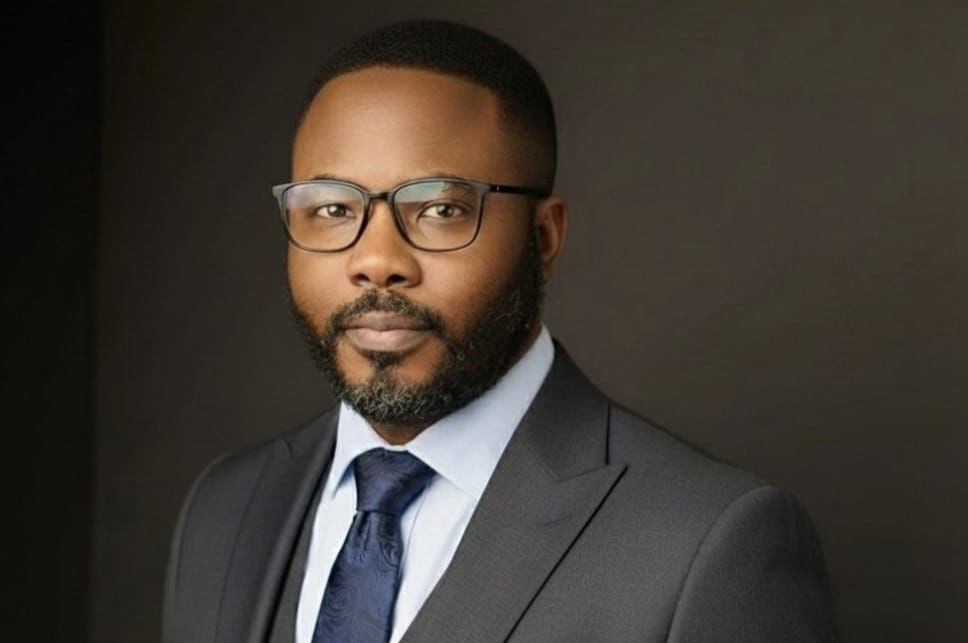
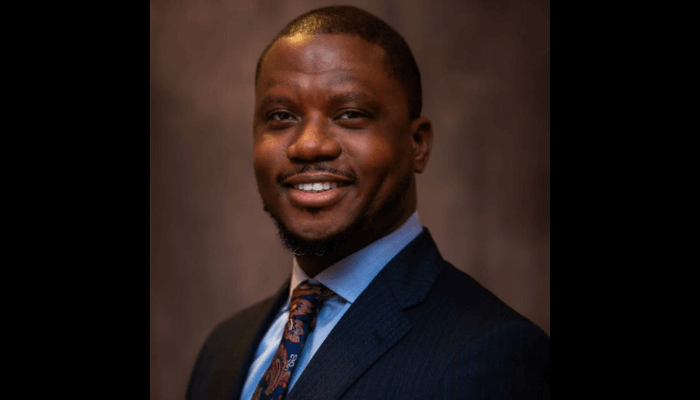
Ishola writes from the United States of America.