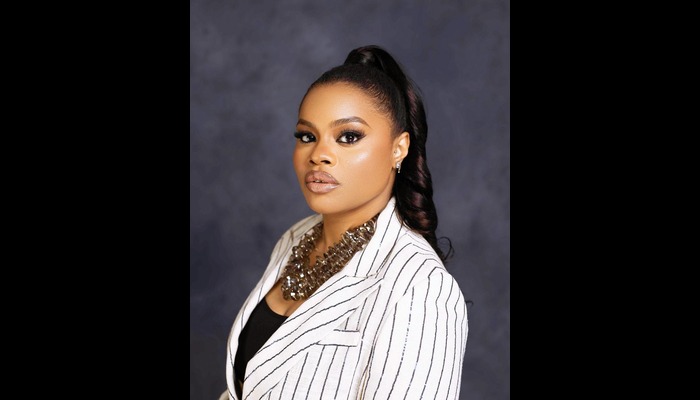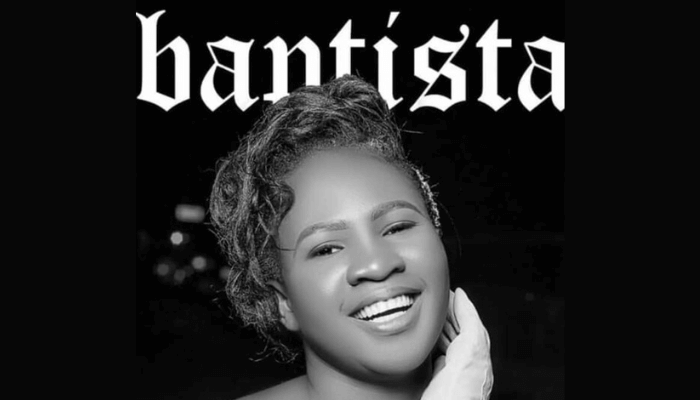
For most of the past decade, Titilope Baptist-Sanusi was not trying to make an album. She was trying to stay afloat.
The Nigerian gospel singer, known professionally as Baptista, spent seven years navigating a stretch of personal loss that included the death of twins, the unresolved disappearance of her sister, financial strain, and prolonged periods of waiting that stalled both her life and career. I WON, released between 2023 and 2025, emerged not as a planned creative project but as a by-product of that period.
The album, which premiered on her birthday and Boxing Day, is structured as a reflection on endurance rather than achievement. Its songs document a gradual shift in posture — from grief and unanswered questions to steadier, quieter forms of faith. Baptista has described the writing process as less about inspiration than survival, with each track drawn from moments she did not initially believe she would outlast.
That sense of process shapes the album’s sequencing. Modupe leans into gratitude in the absence of resolution. F.O.G (Focus on God) marks a turning point away from fixation on loss, while Joy reframes praise as discipline rather than emotion. The album’s closing stretch moves toward affirmation, not as triumphalism, but as conclusion — a statement that persistence itself can be evidence of victory.

A critical moment in the album’s journey came when Baptista stopped actively trying to move it forward. Support arrived unexpectedly from Oluwafemi Aborisade, who independently stepped in to produce the music video for I WON. For the artist, the intervention was significant not because of scale, but because it arrived without lobbying or pressure, reinforcing her belief that momentum sometimes returns only after resistance ends.
The project’s most notable collaboration is Yea & Amen, which features Dr D. K. Olukoya. Known primarily for his influence in prayer and teaching rather than recorded music, his appearance on the track signals a convergence of ministry traditions. Baptista has framed the collaboration as spiritual alignment rather than artistic experimentation — a moment she sees as both endorsement and continuity.
Beyond the music, the album is also inseparable from events that unfolded outside the studio. Following the disappearance of her sister, Motunrayo, Baptista made a public appeal that drew the attention of Ogun State’s Attorney General and Commissioner for Justice, Oluwasina Ogungbade SAN. According to the family, he personally reached out after seeing the appeal and provided sustained institutional support through the Ministry of Justice and the Ogun State Police Command over several months.
For Baptista, that intervention remains one of the few tangible points of stability during a period defined largely by uncertainty.
I WON does not present its creator as having overcome every challenge it documents. Instead, it captures what remains when outcomes are unresolved but movement continues. In an industry often shaped by immediacy and visibility, the album stands as a record of delayed arrival — shaped by time, loss, and the slow rebuilding of conviction.

If the title suggests finality, the body of work itself is more measured. It argues that victory does not always announce itself loudly. Sometimes, it arrives quietly, in the simple fact of still standing.