Dekings Machineries has outlined its role in the development of liquefied petroleum gas infrastructure in Nigeria, setting out how partnerships across borders and technical work within the country are shaping supply, safety, and capacity.
The company operates as an engineering and industrial solutions provider with a focus on LPG systems. Its work covers assembly, installation, testing, and commissioning of LPG skid plants and storage systems for use across Nigeria. The approach aligns with regulatory rules in Nigeria and engineering rules used outside the country.
Dekings Machineries explained that its process begins with sourcing. LPG storage tanks are imported from Europe. Components such as dispensers, pumps, compressors, valves, and fittings are sourced from manufacturers in China and other markets. These parts are then assembled at the company’s facility in Nigeria.
By carrying out assembly in Nigeria, the company said it can manage cost, delivery time, and technical oversight while meeting safety rules. The model also supports skills and employment within the country.

Inspection forms a central part of the process. According to the company, all tanks and materials pass through checks before shipment, after arrival in Nigeria, and during installation. These steps include pressure testing and calibration before systems are placed into service. The company said this process aims to reduce risk and ensure that each plant operates within required limits.
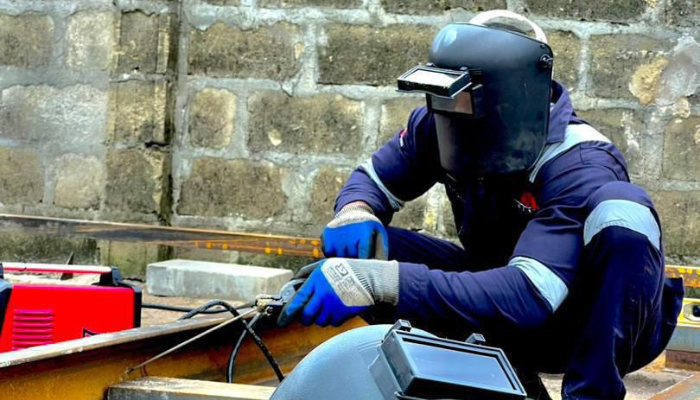
Assembly work is carried out by TIG welders under the supervision of engineers registered with the Council for the Regulation of Engineering in Nigeria. Work follows approved drawings and procedures. Dekings Machineries also operates with permits issued by the Nigerian Midstream and Downstream Petroleum Regulatory Authority. These permits allow the company to carry out mechanical installation, pressure testing, and calibration, as well as work on underground tanks, surface tanks, and LPG tanker trailers.
The company stated that its activities support the shift in Nigeria’s energy use from fuels such as kerosene and biomass to LPG. Its services are provided to gas station owners, new investors, industrial users, and engineering firms involved in procurement and construction. The aim, the company said, is to deliver systems that fit operating conditions in Nigeria.
Looking ahead, Dekings Machineries said it has the technical capacity and workforce to support fabrication of LPG tanks and equipment within Nigeria. To reach this stage at scale, the company pointed to the need for partnerships with investors from outside Nigeria, policy support from the government, and access to fabrication tools and materials.
As a result, the company said it is open to engagement with investors, development partners, equipment makers, engineers, and policy bodies. It believes such cooperation can expand industrial capacity, support job creation, and reduce reliance on imported finished pressure vessels.

Dekings Machineries said its work reflects a focus on engineering practice, regulatory compliance, and cooperation. Through this approach, the company aims to contribute to a more resilient LPG sector in Nigeria while laying the groundwork for future industrial growth.