EFCC will arraign former Attorney-General Malami today
The Economic and Financial Crimes Commission will arraign former Attorney-General Abubakar Malami before the Federal High Court in Abuja on Tuesday over alleged money laundering and unlawful acquisition of assets. Malami, who served for eight years under former President Muhammadu Buhari, faces 16 counts alongside his son Abubakar Abdulaziz Malami and Bashir Asabe, an employee linked to Rahamaniyya Properties Ltd.
The anti-graft agency alleges the defendants conspired to conceal and disguise proceeds of unlawful activities amounting to billions of naira through companies, bank accounts, and property acquisitions across Abuja, Kano, and Kebbi between 2015 and 2025. The charges include retaining N600 million as cash collateral for loans, concealing over N1 billion through Sterling Bank accounts, and acquiring high-value properties whilst Malami served as the nation’s chief law officer. Malami has been in EFCC custody since 8 December and will appear before Justice Emeka Nwite to enter his plea.
Seven journalists died in a Gombe road accident
Seven journalists died on Monday evening in a road accident along the Billiri-Kumo Road in Gombe State as they returned from a colleague’s wedding ceremony. The Federal Road Safety Corps confirmed that 11 people were aboard the Nigeria Union of Journalists bus when a tyre burst caused the vehicle to lose control and veer into the bushes near Kumo town.
The deceased include Zarah Umar, manager of news at Nigerian Television Authority and senior special assistant to the governor; Manu Haruna Kwami, manager of administration at NTA; film editor Isa Lawan; retired manager Musa Tabra; senior driver Aminu Adamu; Adams Danladi of StarTimes; and Judith Kutus, an information officer with Gombe State Universal Basic Education Board. Four others sustained injuries and are receiving treatment. Governor Inuwa Yahaya described the incident as a devastating blow to the state’s media and public service community, whilst the Nigeria Union of Journalists called it a tragedy that underscores the urgent need for improved road safety measures.

Read Also: Five charts show how Nigerian economy fared in 2025
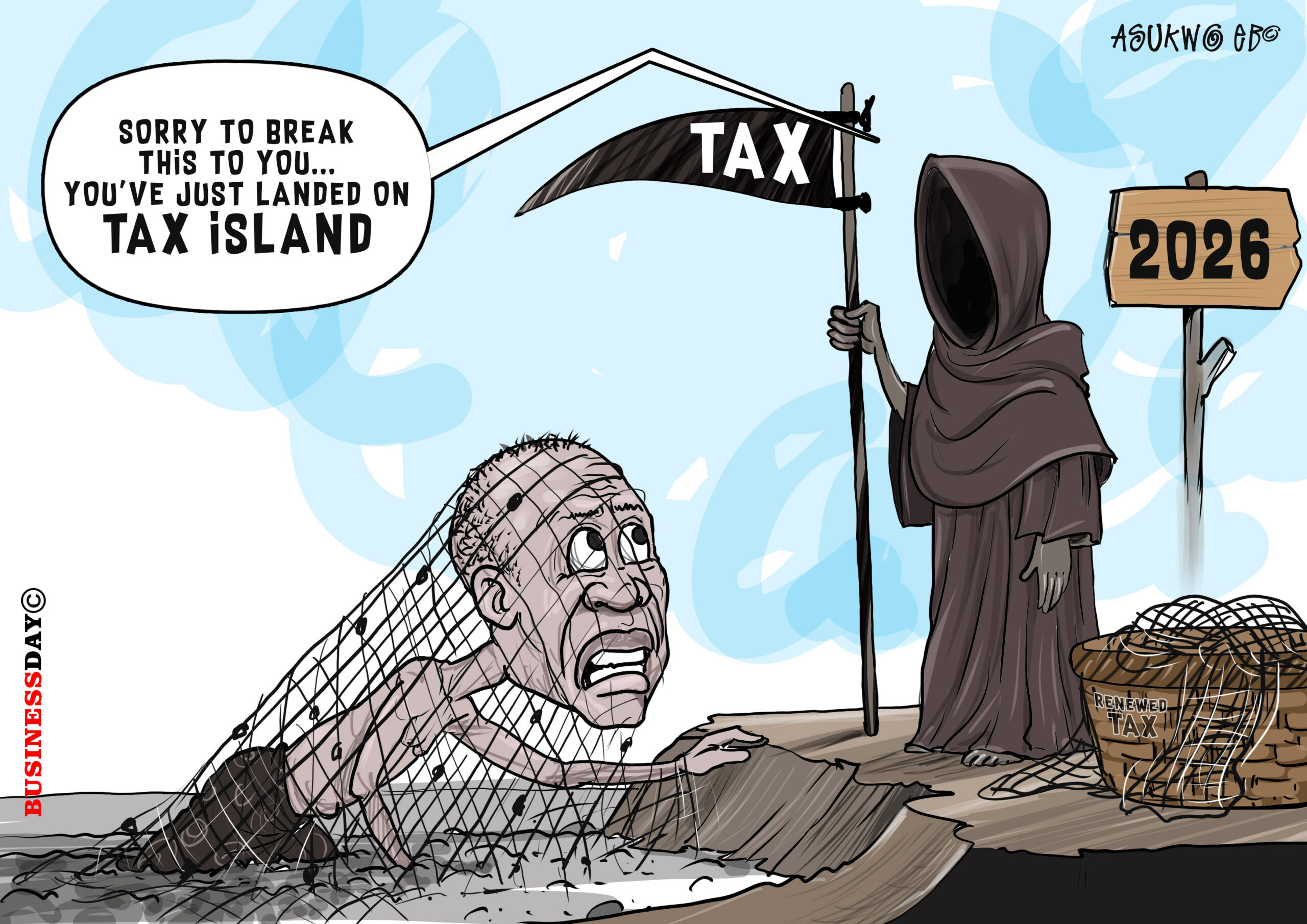
Zamfara and Anambra have domesticated the Tax Administration Act
Zamfara and Anambra states have domesticated the Nigeria Tax Administration Act, becoming the second and third states to implement the legislation after Ekiti State led the way on 23 December. Governor Dauda Lawal of Zamfara signed a law repealing and re-enacting the state’s consolidated revenue laws, whilst Governor Chukwuma Soludo of Anambra assented to the state’s taxes, levies and presumptive tax law on Monday.
The domestication aligns the states with approved taxes and levies within the national tax reforms framework, aimed at preventing multiple and overlapping charges. The move comes despite legal challenges to the tax reform package, which includes the Nigeria Tax Act, the Nigeria Tax Administration Act, the Joint Revenue Board of Nigeria (Establishment) Act, and the Nigeria Revenue Service (Establishment) Act. The Incorporated Trustees of the African Initiative for Abuse Public Trustees have filed suit at the Federal Capital Territory High Court, questioning the legality and readiness of the new tax laws ahead of their 1 January 2026 commencement date.
Foreign direct investment surged 700% as portfolio flows dropped
Foreign direct investment into Nigeria surged approximately 700 per cent in the third quarter of 2025, rising to $720 million from $90 million in the previous quarter, according to the Central Bank of Nigeria’s provisional balance of payments report. The sharp increase in long-term investment into businesses and productive assets suggests growing confidence in specific sectors of the real economy despite persistent macroeconomic challenges.
Portfolio investment inflows, however, declined 52.5 per cent to $2.51 billion from $5.28 billion in the second quarter. The fall in foreign funds flowing into bonds, treasury bills, and equities indicates a slowdown in short-term investor appetite, possibly influenced by global risk conditions, profit-taking, and expectations around interest rates and currency movements. The shift in capital composition marks a reversal from recent quarters when portfolio flows dominated total inflows, with direct investment typically focusing on factories, infrastructure, and long-term business expansion rather than short-term financial returns. Analysts say the rebound in FDI represents stronger foreign commitment to Nigeria’s real economy, though the naira remained largely steady despite a significant narrowing of the country’s current account surplus.

NNPC invited bids for stakes in oil and gas assets
The Nigerian National Petroleum Company Limited has called for bids from investors interested in acquiring stakes in some of its oil and gas assets as part of a portfolio optimisation strategy. According to an invitation document distributed late last week, prospective bidders must register online by 10 January, after which pre-screening will follow and qualified firms will gain access to a secure virtual data room.
The state oil company owns some assets outright and others in partnership with international majors, including Shell, Chevron, Eni, and TotalEnergies. NNPC had previously outlined plans to sell at least 25 per cent of equity it holds in select oil and gas fields through full divestments or stake reductions. The Petroleum and Natural Gas Senior Staff Association of Nigeria has opposed the plan, alleging in September that the government intends to sell stakes of 30-35 per cent in some joint venture assets. The document did not disclose the size of stakes on offer or expected proceeds, and NNPC did not respond to requests for comment.