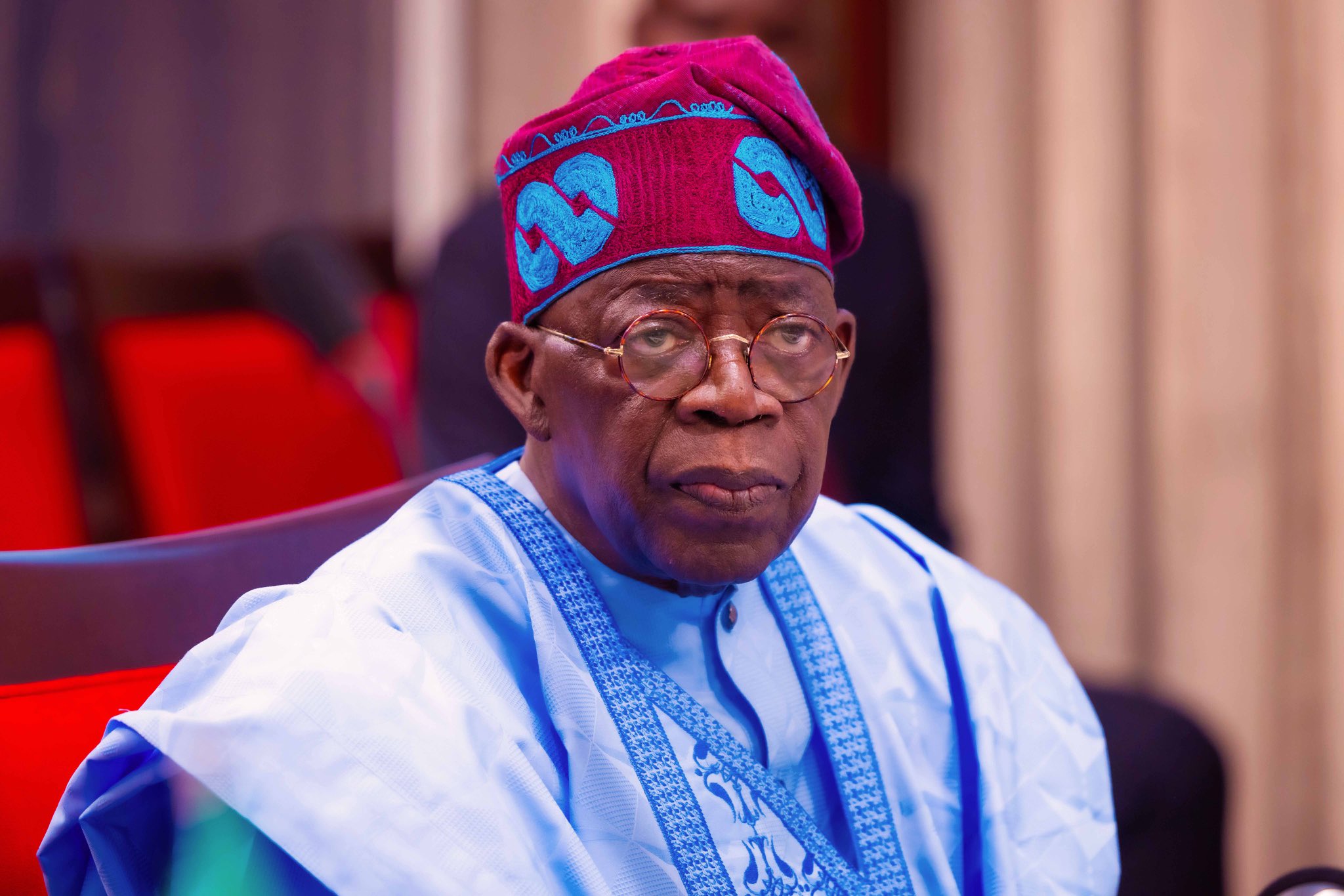
Last Friday, President Bola Ahmed Tinubu, GCFR, laid before the National Assembly a ₦58.47 trillion 2026 Appropriation Bill, pledging tighter fiscal discipline, improved revenue mobilisation, and a decisive security reset. This, he noted, is part of his administration’s effort to stabilise the economy, restore lost investor confidence, and improve living standards amid persistent cost-of-living pressures.
While presenting what he termed the “Budget of Consolidation, Renewed Resilience, and Shared Prosperity” to a joint session of the National Assembly, the President re-emphasised that the spending plan was carefully designed to translate recent macroeconomic improvements into broader-based growth and tangible welfare benefits for the Nigerian populace.
The 2026 budget assumptions are based on a conservative crude oil benchmark of $64.85 per barrel, daily oil production of 1.84 million barrels, and an exchange rate of ₦1,400 to the dollar.
One issue that is germane in this context is the close relationship between fiscal discipline and budgeting. Fiscal discipline is greatly intertwined with budgetary provisions; the two are inseparable, much like Siamese twins. In effect, compliance with budgetary provisions leads to fiscal discipline, and fiscal discipline reinforces adherence to the budget.

Understanding fiscal discipline
Fiscal discipline entails a holistic, well-articulated, and prudent management of funds, whether by government, its agencies, or organisations, as the case may be. Achieving fiscal discipline requires the implementation of sound policies, procedures, and practices that promote transparency and accountability across the board.
It also involves efficient revenue collection processes, effective expenditure monitoring and control, and a sustainable debt management strategy. Strict adherence to budgetary provisions is one of the most critical strategies for achieving fiscal discipline and cannot be overemphasised.
No economy can meaningfully stand tall among the comity of nations without a calculated and well-thought-out fiscal framework. Such a framework should include, but not be limited to, the Medium-Term Expenditure Framework (MTEF), debt management procedures, transparency and accountability models, internal control and audit systems, cash management procedures, Integrated Financial Management Information Systems (IFMIS), risk management processes, human capital development strategies, and strict compliance with budgetary provisions.
Budget explained
The Chartered Institute of Management Accountants (CIMA), UK, defines a budget as a financial or quantitative statement prepared and approved prior to a defined period of time, usually showing the planned income to be generated and/or expenditure to be incurred in order to achieve a specific objective.
Similarly, Adeniji A. (2012) views a budget as a future plan of action formulated by management for the whole organisation or a section thereof, expressed in monetary terms.

With President Bola Ahmed Tinubu, GCFR, presenting the 2026 budget tagged “Budget of Consolidation, Renewed Resilience, and Shared Prosperity”, there is a pressing need for government—both federal and state—alongside their agencies, to ensure strict adherence to all provisions contained in the submitted Appropriation Bill awaiting legislative approval.
A well-implemented and effectively executed budget will assist the government and its agencies in several ways. It provides a solid basis for effective planning and serves as a tool for performance evaluation. It also facilitates proper coordination of government activities across ministries, departments, and agencies.
For the general populace, the budget can serve as a motivating factor, spurring collective action and engagement. It also helps in identifying efficiencies and inefficiencies within the system. As an effective control mechanism, the budget assists the government and its agencies in controlling costs, achieving optimal resource utilisation, and attaining social welfare objectives.
If properly implemented, budgeting plays a pivotal role in coordinating the diverse activities of various Ministries, Departments, and Agencies (MDAs) across all tiers of government. In this sense, the budget also serves as an essential communication tool between the government and its agencies.
Conclusion
A budget is a means to an end, not an end in itself. As a plan of action, it reflects the focus of both short-term and long-term objectives to be achieved. As a budgetary control mechanism, it emphasises the comparison of actual results against planned outcomes in order to identify variances and implement corrective measures where necessary.
Finally, under governmental budgeting, the budget can be effectively used to authorise actions and facilitate the timely execution of programmes and policies.
Dr Kingsley Ndubueze Ayozie, FCTI, FCA, is a public affairs analyst and chartered accountant and writes from Lagos.