The global automotive industry is undergoing a revolution, with China as one of the strongest players at its epicenter. No longer merely a manufacturing hub, China’s domestic brands are setting the pace in electrification, smart technology, affordability, and sheer market scale. The brands are finding acceptance worldwide and they are steadily gaining ground in Nigeria. steadily gaining ground in Nigeria.
The 2025 rankings reflect a dynamic landscape where tech-first companies are disrupting established automakers, and the battle for dominance is fought on the cutting edge of battery and AI technology.
According to Dongfeeng South, here are the Top 11 China’s strongest and most affordable car brands
1. BYD (Build Your Dreams):
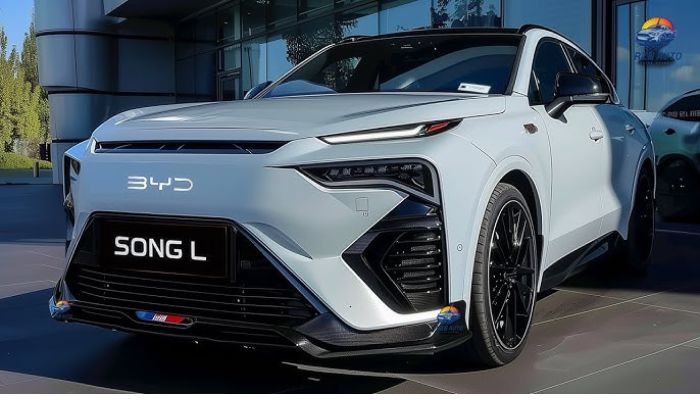
The undisputed king of New Energy Vehicles (NEVs), BYD’s rise from battery manufacturer to the global NEV sales leader is an automotive legend. Their strength is rooted in full control over the electric vehicle supply chain, from raw materials to final assembly. The Blade Battery, known for its enhanced safety, longevity, and space utilisation, is their cornerstone. This, combined with the incredibly efficient DM-i Super Hybrid System, which offers ultra-low fuel consumption, gives them an unassailable advantage in both pure-electric and plug-in hybrid markets. The Qin PLUS DM-i is the sales champion that defined the DM-i’s success, while the Han EV and the premium Yangwang U7 showcase their advanced technology and premium aspirations.

Read also: Nine of the most reliable used car brands
2. Dongfeng Nissan:
The Hybrid Powerhouse is leveraging global expertise. As a major Sino-foreign joint venture, Dongfeng Nissan commands massive sales volume by strategically integrating global R&D with local market understanding. Their core strength is a diversified, mature product portfolio utilising proven, advanced technology. The e-POWER EV Range Extender offers an EV driving experience without range anxiety, while the VC-Turbo Engine represents a leap in internal combustion efficiency. Their focus on the Chinese-developed Nissan Connect Infotainment system ensures a smart, localised user experience. The brand’s forward push is evident in models like the Nissan N7, Dongfeng Aeolus SKY EV01, eπ007, and the compact Nano 01, all leveraging these core technologies.
Read also: 5 best trucks to compare to the Tesla Cybertruck in 2025
3. Geely:
The global architect of auto platforms, geely’s strength lies in its aggressive platform strategy and its stable of global brands (Volvo, Polestar, Lotus). Their CMA Platform is a scalable, globally recognised architecture that underpins vehicles across multiple brands and segments. The Thor Hybrid powertrain delivers a blend of power and efficiency, and their investment in Satellite Communication hints at future integration of high-speed data for autonomous driving and advanced navigation. Geely is the strategic powerhouse building a comprehensive automotive empire, with the Xingyue L SUV and the high-performance Zeekr 001 being prime examples of their platform mastery.
Read also: 7 African countries importing the most used Japanese cars

4. Chery:
The export champion with a Solid Technological Foundation Chery is a titan in the export market, showcasing robust engineering that translates to high reliability and international demand. Their Kunpeng Power represents a complete portfolio of high-efficiency engines and hybrid transmissions. The Mars Architecture is Chery’s comprehensive platform for smart, electric, and connected vehicles, allowing rapid development of diverse models. Their strength is a balance of traditional automotive mastery and ambitious overseas expansion, led by the globally successful Tiggo 8 SUV and the advanced Luxeed S7 EV, the latter developed in partnership with Huawei.
5. Changan:
The pioneer in Intelligent driving, changan is one of china’s “Big Four” state-owned automakers, but it distinguishes itself with a strong push into smart and electric vehicles. The Blue Core Engine family is a testament to their mature, self-developed internal combustion technology. However, the future is the SDA Smart EV Architecture, a software-defined platform focused heavily on autonomous driving and smart connectivity, indicating a firm pivot toward being a technology company. This blend of reliability and high-tech is embodied in the mass-market CS75 PLUS and the new-generation EV, the Deepal S09.
6. Huawei Series (AITO, Stelato):
The tech giant’s automotive Invasion, huawei’s direct entry into the automotive space is one of the biggest disruptions. They don’t technically make the cars, but their software and intelligent systems are the heart of the vehicle (partnering with manufacturers like Seres and BAIC). The HarmonyOS Cockpit offers an unparalleled, seamless digital experience, and the QianKun ADS Smart Driving system is one of the most advanced autonomous driving solutions in the market. Their strength is in defining the software and user experience, with the highly popular AITO M7 SUV and the new luxury sedan Stelato S800 leading the charge.
7. Great wall motor (GWM):
The SUV and off-road specialist, great wall is a specialist known for its strong presence in SUVs (Haval) and off-road vehicles (Tank). Their core strength lies in robust engineering tailored for utility and performance. The Lemon Hybrid DHT system is a sophisticated Dedicated Hybrid Transmission designed to maximise efficiency and performance across different driving conditions. The Hi4 AWD Platform is their intelligent all-wheel-drive system specifically for hybrid SUVs, providing off-road capability without sacrificing efficiency. The Haval H6 remains a volume king, while the Tank 500 defines their premium off-road segment.
8. Wuling:
The people’s mobility champion, Wuling, is the master of high-volume, affordable, and practical mobility. Their power comes from scale and market penetration at the entry-level. The Low-cost Mini EV Platform has democratised electric car ownership, turning the Hongguang MINI EV into a global sales phenomenon and a symbol of urban, short-distance transport. While not a leader in cutting-edge luxury tech, Wuling’s strength is in providing a no-frills, accessible solution that has massive sales impact.
9. Xiaomi auto:
The tech-leap challenger, Xiaomi, a consumer electronics giant, is leveraging its vast ecosystem and brand loyalty to rapidly enter the automotive sector. Their strength is a “tech-first” approach, focusing on integrating mobile and home electronics with the car. Their Self-developed Motor and the Modena High-Voltage Platform are aimed at performance and ultra-fast charging, positioning them as a direct challenger to established premium EV makers on technology and value. Early models like the high-performance SU7 and the planned YU7 are designed to directly compete with segment leaders in their first year of sales.
10. Li Auto:
The smart family mobility specialist, Li Auto, found a potent niche by perfecting the Extended Range Electric Vehicle (EREV), effectively eliminating range anxiety for families. Their strength is in their precise product positioning and focus on user-centric features, particularly around the “smart family” concept. Their cabin design and software prioritise comfort, multi-screen functionality, and AI assistance tailored to family scenarios. The mass-premium Li L6 and the flagship Li L9 EREV SUVs have rapidly defined the standard for large, intelligent family vehicles in China.
Bonus
Hongqi:
The emblem of Chinese automotive luxury, while not the highest in sales volume, Hongqi (Red Flag) holds a unique position as China’s most historic and prestigious luxury brand. Its strength is its symbolic status and commitment to high-end craftsmanship, backed by the state. Their focus remains on Luxury Limousine Craftsmanship and an industry-leading Lifetime Warranty, giving them a unique appeal in the ultra-premium and government sectors. The bold Hongqi H9 executive sedan and the sophisticated EH7 EV represent their modern take on domestic luxury.