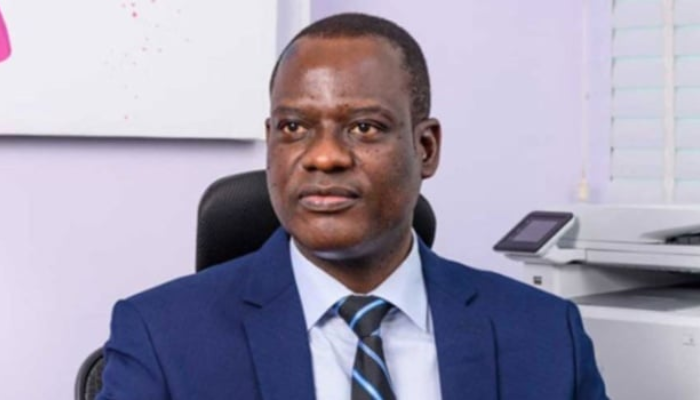
Taiwo Oyedele, the chairman of the Presidential Fiscal Policy and Tax Reforms Committee, has stated that the controversy surrounding Nigeria’s new tax laws is predicated on unofficial and fake versions of the bills, asserting that current public debates are based on these inaccurate versions.
“Before you can say there is a difference between what was gazetted and what was passed, we don’t have the official harmonised bills certified by the clerk to compare. Only the lawmakers can say authoritatively what was sent; even I only have what was presented to the President to sign, and what was circulating and widely reported by media organizations is actually fake, ” Oyedele said in an interview with Channels TV.
The controversy started when Abdulsamad Dasuki, A member of the House of Representatives, recently raised concerns about what he described as discrepancies between tax laws passed by the National Assembly and the versions subsequently gazetted and made available to the public.
Dasuki argued that his legislative rights had been breached because the content of the gazetted tax laws did not reflect what lawmakers debated and approved on the floor of the House.

Some of the said discrepancies in the gazetted version includes: Individuals now face a N25 million reporting threshold (down from N50 million), and companies N100 million (from N250 million), meaning more people are included in the tax bracket.
It was also said that taxpayers must also deposit 20 percent of disputed assessments before filing an appeal, raising the cost of legal challenge, particularly for SMEs. Legislative oversight provisions empowering the National Assembly to summon authorities and demand accountability were removed, further reducing checks and balances within the tax administration framework.
Read also: Only taxable Nigerians need tax ID, not students or dependents, says Taiwo Oyedele
The presidency on Monday weighed in on the controversy trailing the new tax laws scheduled to take effect on January 1 in the country.
This comes as Atiku Abubakar, former vice president and Peter Obi, the 2023 presidential candidate of the Labour Party, along with several civil society organisations called for the suspension of the implementation of the laws.

Oyedele stated that he reached out to the House of Representatives Committee regarding a particular Section 41 (8), which states, “You have to pay a deposit of 20 percent.”
He noted that the response given by the committee was that its members had not met on the issue.
“I know that particular provision is not in the final gazette, but it was in the draft gazette. Some people decided that they should write the report of the committee before the committee had met, and it had circulated everywhere.
“What is out there in the media did not come from the committee set up by the House of Representatives. I think we should allow them to do the investigation,” Oyedele added.
President Bola Tinubu signed the four tax reform bills into law, marking what the government has described as the most significant overhaul of the country’s tax system in decades.
The tax reform laws, which faced stiff opposition from federal lawmakers from the northern part of the country before their passage, are scheduled to take effect on January 1, 2026.
The laws include the Nigeria Tax Act, the Nigeria Tax Administration Act, the Nigeria Revenue Service (Establishment) Act, and the Joint Revenue Board (Establishment) Act, all operating under a single authority, the Nigeria Revenue Service.
According to the Federal Government, the reforms are designed to simplify tax compliance, expand the tax base, eliminate overlapping taxes, and modernise revenue collection across federal, state, and local governments.