Stella Okengwu, CEO, Winhomes Global Services Limited, has flayed the claim by David Umahi, Nigeria’s Minister of Works, that the company paid only N50 million to acquire land for its estate in Okun Ajah, Lagos.
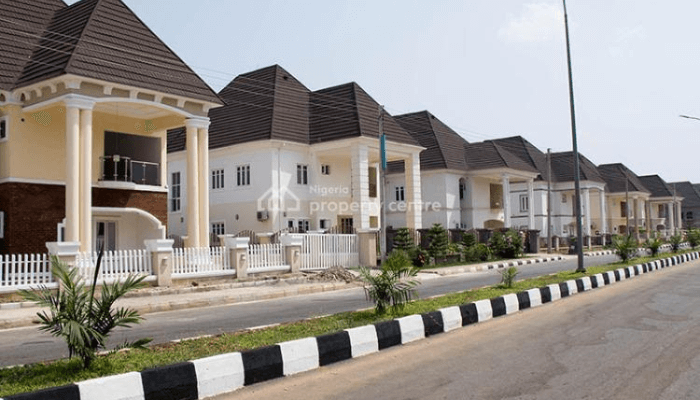
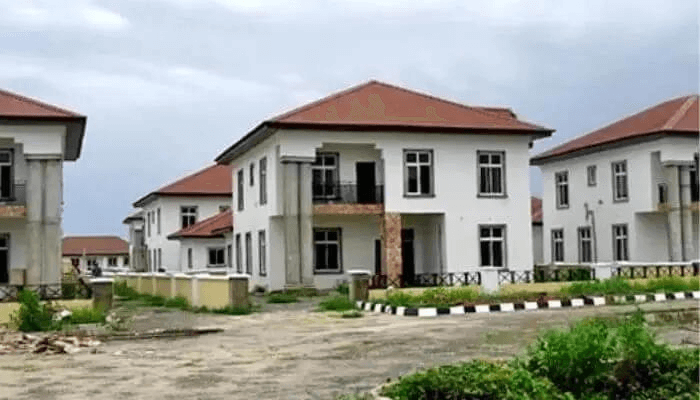
Winhomes is a real estate investment and development firm that took the government to court for the alleged demolition of the estate to create right of way for the Lagos-Calabar coastal highway. The estate, according to the developer, is worth $250 million.
The developer dismissed the minister’s claim as not only false, but also misleading and reckless. She added that the claim had no basis in fact, stressing that it did not exist in any record, transaction, or reality associated with Winhomes.
She noted that such misinformation undermines Nigeria’s credibility as an investment destination, particularly for diaspora and foreign investors.

“Nigeria must be governed by facts, not fiction. The public statement credited to the Minister of Works that Winhomes Estate paid only ₦50 million for its land in Okun Ajah is completely false. It is misleading. It is reckless. And it gravely undermines Nigeria’s credibility as a destination for investment,” Okengwu said.
She said the company did not know where the ₦50 million figure originated, adding that it was neither paid nor contemplated at any stage of the land acquisition process.
According to her, “whether the figure was fabricated, politically supplied, or casually repeated without verification, the effect was that the Nigerian public and the global investment community were misled.
“Let the record be clear: ₦50 million was never paid—at any time, for any portion of this land,” she said.
Read also: Coastal highway: Winhomes counters Umahi on court judgment claim

Okengwu explained that Winhomes lawfully acquired the Okun Ajah land from recognised land-owning families and legitimate stakeholders, as well as individual landowners with valid interests, noting that all transactions were properly documented and all payments traceable.
She said the company made substantial financial commitments in acquiring the land and later invested heavily in clearing dense forest terrain, mobilising equipment and constructing a major access road linking Coplag to Okun Ajah, even before full-scale development commenced.
According to her, Winhomes also encountered multiple disputes over portions of the land shortly after development began. One of such disputes involved the Etisalat Cooperative, which claimed ownership of part of the land.
Okengwu said the company chose dialogue and peace over confrontation, resolving the dispute through financial settlement.
She added that further claims later arose from another family, resulting in litigation, which was also resolved through lawful means and court-backed agreements.
According to her, additional payments were made to address overlapping interests, access challenges and community stabilisation issues connected to the land.
Okengwu said the total documented cash payments made by Winhomes in relation to the Okun Ajah land amounted to ₦2.823 billion, excluding other social responsibility contributions.
She added that the company also provided vehicles to community stakeholders and cooperative structures as part of its corporate social responsibility, describing the gesture as deliberate social-impact investment rather than bribery or political inducement.
“These were not bribes. They were not political inducements. They were deliberate social-impact investments,” she said.
She put Winhomes’ total economic commitment to the project at ₦4.323 billion, describing it as the verified investment that had now been publicly reduced, without evidence, to ₦50 million.
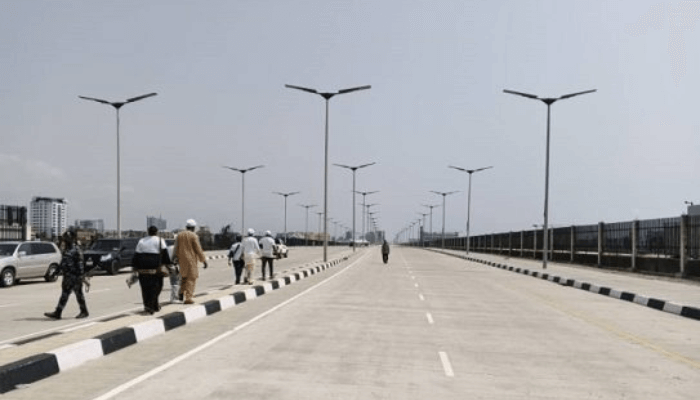
Describing the controversy surrounding the Lagos–Calabar Coastal Road as deeply troubling, Okengwu said the project became problematic when facts were replaced with discretion and misinformation.
She alleged that lawful property rights, particularly those of diaspora investors, were trampled upon in the process.
“A national infrastructure project was politicised, influenced by misinformation, and executed in a manner that trampled lawful property rights—particularly those of diaspora investors who believed in Nigeria enough to bring their capital home,” she said, adding that this was where governance crossed into impunity.
Okengwu called on the National Assembly, particularly the Senate President, Godswill Akpabio, to investigate the matter, stressing that it went beyond Winhomes and touched on property rights, foreign direct investment, diaspora remittances, the rule of law, and Nigeria’s global credibility.