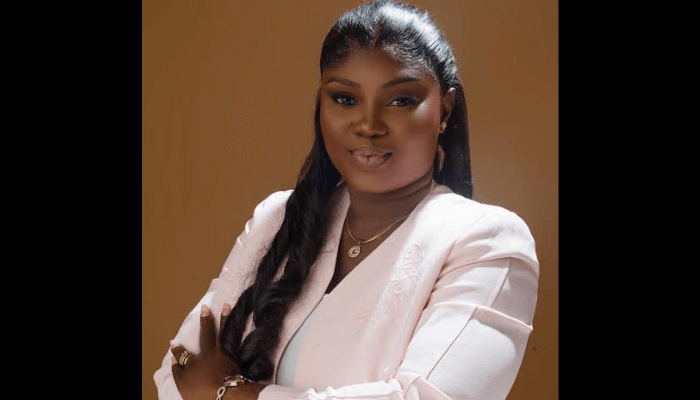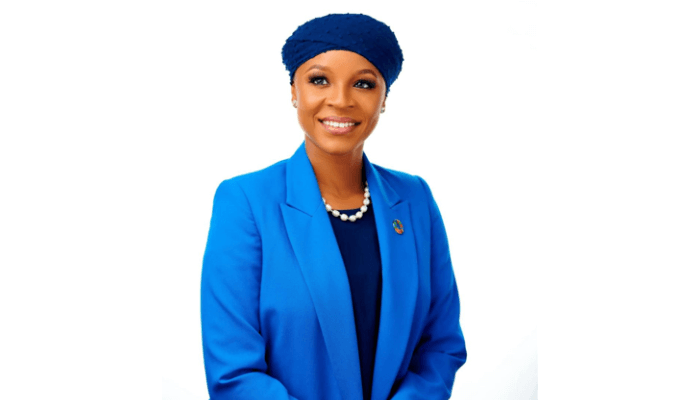
Aisha Adamu Augie, director-general of the Centre for Black and African Arts and Civilisation (CBAAC), says her mission is to reposition the agency as a modern Pan-African cultural powerhouse, one that preserves heritage, drives innovation, and strengthens Nigeria’s global cultural influence. In this interview with KENNETH ATHEKAME, she outlines how CBAAC is digitising archives, activating youth-focused programmes, expanding partnerships, and building cultural diplomacy across Africa and the diaspora. She also spoke on the role of art in nation-building, the business potential of Nigeria’s creative industries, and how she hopes her leadership will inspire more women in the sector. Excerpts:
You’ve just assumed office as DG of CBAAC. How do you plan to redefine the Centre’s relevance in Nigeria’s cultural landscape?
I am honoured to lead CBAAC at a pivotal time. My goal is to safeguard heritage, drive contemporary creativity rooted in research, and connect Nigeria with Africa and the world through cultural diplomacy. My background in Communications and the Creative Arts shapes my belief that culture is a tool for jobs, economic growth and global understanding. Africa’s diversity is our biggest asset, and I want the Centre to champion innovation grounded in tradition.
What inspired your journey from creative artist and filmmaker to public leadership?

My work in photography and film revealed how powerful storytelling is and how many obstacles creatives face: limited funding, weak archives, and policy gaps. I realised personal projects alone couldn’t fix systemic issues. That pushed me toward public leadership where I could influence policy, support emerging creatives, and turn artistic needs into real programmes. My motivation comes from both frustration with broken systems and a conviction that creatives deserve better structures, especially young people and women.
How would you describe your leadership philosophy?
My leadership is rooted in collaboration, clarity of purpose and respect for diversity. I want creative teams to feel valued, heard and free to innovate. I encourage experimentation, constructive critique and learning from mistakes. Inclusion is central. I ensure women, youth and underrepresented voices shape the work, not just participate. I set clear expectations and hold myself and others accountable. Cultures grow when people feel both safe and challenged.
What are your immediate priorities for CBAAC?
Since assuming office, I’ve focused on institutional strengthening, reviewing programmes, staffing and governance, digitising archives, and setting clear KPIs aligned with President Bola Tinubu’s agenda. We are launching youth-focused residencies, expanding documentation, and activating cultural programmes. We recently secured a EUNIC grant for “Roots & Roofs,” our Pan-African Indigenous Skills Development (PAID) programme to begin January 2025. We’ve also released new publications and expanded international research residencies. A major priority is building sustainable funding through partnerships, grants, and revenue-generating cultural events.

What role does art and culture play in shaping Nigeria’s national identity today?
Art and culture are the engine of Nigeria’s national identity. They connect our diverse languages and histories into a shared “we.” Through film, music, tech, festivals, fashion and literature, Nigerians negotiate how we see ourselves and how the world sees us. They challenge stereotypes, archive our stories, and create safe spaces to discuss history, governance, justice, gender and identity.
How can creative industries help bridge ethnic and regional divides?
Creativity speaks to emotion before debate, making it powerful for healing divides. When young people across regions dance to the same music, watch the same films or follow the same creators, they see each other as collaborators, not strangers. Festivals, exhibitions and rotating cultural events create physical spaces for unity. With investment in creative education, infrastructure and cross-regional projects, talent becomes more important than tribe.
Nigeria’s art is winning global acclaim. How do we balance international success with cultural preservation?
We must be clear about who we create for and who owns our stories. Global acclaim should deepen not dilute our identity. That means strengthening archives, museums, local institutions, craft preservation, and IP protection. Policies must ensure that communities benefit and that global success reinforces the cultural roots that made the work powerful.
What initiatives are underway to promote traditional African art within the modern creative economy?
CBAAC remains anchored in its FESTAC ’77 mandate. We are digitising archives to serve as resources for filmmakers, designers, animators and musicians. We support filmmakers with archival material—as seen with Izu Ojukwu’s “77: The FESTAC Conspiracy.” Our conferences, festivals and literary events now accept global online submissions.
We are also leading the Pan-African Indigenous Skills Development programme (PAID), and transforming exhibitions and festivals into platforms that connect Africa and its diaspora.
How can the Nigerian government integrate arts and culture into national economic planning?
The Tinubu administration’s creation of a dedicated ministry is the first big step. With new policy reviews on culture, tourism and IP, we aim for frameworks that support funding, tax incentives, and infrastructure for creative enterprises. Through NBS, NESG and other partners, we are strengthening data for policy. Creativity is often seen as soft power but it is a strategic economic driver, and we’re integrating it into the Medium-Term Expenditure Framework and Fiscal Strategy Paper.
What promising business opportunities exist within Nigeria’s creative and cultural industries?
Opportunities are booming in film, music, animation, gaming, fashion, textiles, digital content, experiential tourism, publishing, creative tech, and artisan-focused e-commerce. Behind-the-scenes services production, logistics, IP management and creative education also offer major growth potential. The creative sector is one of Nigeria’s quickest paths to jobs and entrepreneurship.
How can CBAAC collaborate with the private sector to boost sustainability?
We are expanding public–private partnerships. Sterling Bank supported book donations for our Black History programme. We’ve partnered with Yaba Art Museum and Ecobank on the Lagos Pop-Up Museum, where proceeds help students and entrepreneurs. We also work with ArtX Lagos, the GAS Foundation, DigitA, and Racecourse Capital on digitisation and FESTAC50 global activations.
Our goal is to formalise partnerships with measurable outcomes, visibility for sponsors, and direct support for creatives.
What practical steps can help artists become entrepreneurs?
Artists need combined training in business and craft: branding, management, marketing, digital tools and IP. Mentorship and incubation are essential. Access to funding grants, loans, partnerships helps ideas grow. Platforms for exhibitions, e-commerce and festivals expand opportunities. CBAAC supports entrepreneurial artists with endorsements and grant facilitation.
How will technology help expand Nigeria’s global creative influence?
We are using technology for digitisation, virtual exhibitions, immersive experiences and digital archives. Our “Shared Heritage” digital exhibition has shown in the US, Germany, Bulgaria and China. We’re building content for digital skills training and forming partnerships with global platforms that empower Nigerian creatives while protecting their IP.
What role do young people play in shaping the future of the creative industries?
They are the lifeblood of innovation. Youth bring digital fluency, fearlessness and the ability to blend tradition with technology. With training, funding, infrastructure and platforms, they can drive economic growth and elevate Nigeria’s cultural exports. Government cannot do it alone we need private and development partners to support them.
How will you strengthen Nigeria’s cultural diplomacy across Africa and beyond?
We are positioning Nigeria as a hub for Pan-African collaboration. We recently partnered with the Ministry of Foreign Affairs on a major cultural diplomacy event with over 1,100 participants. We’ve met with ambassador groups, visited embassies, renewed MoUs and expanded exchanges with Europe, the Americas, the Middle East and Asia. Our team has also participated in cultural exchange programmes abroad to showcase exhibitions and deepen the FESTAC77 narrative.
How can the arts help reposition Africa globally not just as heritage, but as creativity?
By presenting contemporary African narratives that highlight innovation, imagination and new forms of expression. When we combine heritage with experimentation, Africa becomes visible as a driver of global trends. We must amplify African voices, support cross-border collaborations, and show that Africa is fertile ground for creativity and new ideas.
What challenges do women still face in Nigeria’s creative industries?
Women still face gender bias, limited access to funding, underrepresentation in decision-making, and societal expectations that limit mobility. Many lack IP awareness and infrastructure access, making them vulnerable to exploitation. Despite their strong presence in the industry, women remain under-supported this is why I advocate for them.
How do you hope your journey inspires young women in arts, film and communication?
I hope my path shows that creativity can lead to leadership. Women can shape policy, build institutions and drive systemic change. I want young women to see leadership as an extension of their creativity and to know their voices matter in shaping Nigeria’s cultural identity. My dream is for them to take bold roles and lift others as they rise.