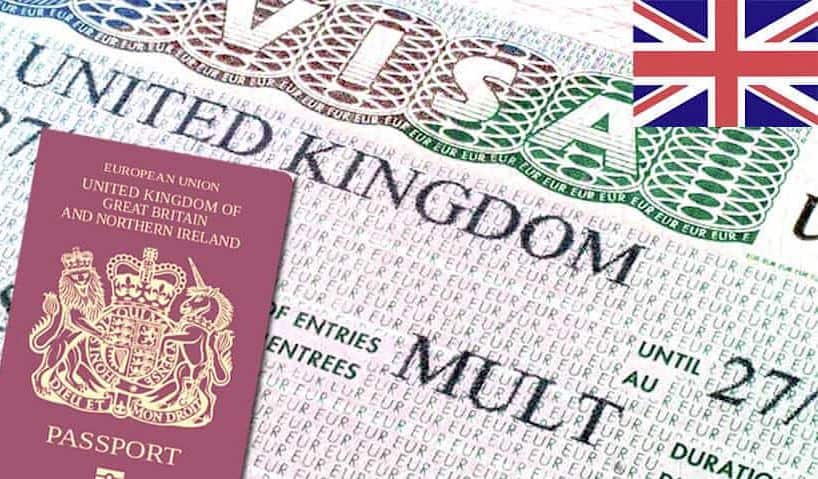
The United Kingdom government has approved emergency visa extensions for hundreds of foreign prison officers, the majority of them Nigerians, following warnings that a sharp change in immigration rules could trigger a severe staffing crisis across the country’s prison system.
The decision, reported by the British Broadcasting Corporation (BBC) on Friday, comes months after the UK raised the salary threshold for skilled worker visas, a move that placed many overseas prison staff at risk of deportation and threatened to deepen workforce shortages in already overstretched prisons.
“Under the emergency measure, the exemption applies only to foreign prison officers already resident in the UK and will remain in force until the end of 2026.
Read also: US halts immigration applications from Nigeria, others as Trump expands travel ban

“A reduced salary threshold of £33,400 will continue to apply to this group until December 31, 2027,” the BBC reported.
In July, the British government increased the general skilled worker visa salary requirement to £41,700 per year.
That figure is significantly higher than the average starting salary for newly recruited prison officers, which is around £33,000 outside London.
The disparity immediately raised concerns within the prison service, as many overseas recruits did not meet the new threshold despite playing key operational roles.
The Prison Officers Association (POA) warned that the policy change could cost the prison system more than 2,500 overseas staff, describing the potential impact as “catastrophic” for prison stability and safety.

The union argued that the loss of experienced officers would worsen existing staff shortages and undermine efforts to maintain order in prisons across England and Wales.
Welcoming the exemption, Steve Gillan, POA General Secretary, described the decision as a triumph of “common sense.”
“It might not be perfect, but it will mean the prison service can hopefully remain stable”, Gillan said.
Mark Fairhurst, the association’s national chairman, said the move had brought relief to affected officers who had been living under the threat of removal.
“Our members can now go about their daily lives without the threat of removal from the country,” Fairhurst said.
However, the exemption reportedly faced resistance within government.
According to the BBC, The Times reported that Shabana Mahmood, Home Secretary initially opposed the move, maintaining that priority should be given to recruiting British citizens into the prison service.
Earlier this week, David Lammy, Justice Secretary, told Members of Parliament that he was holding discussions with Mahmood over the issue.
While acknowledging the long-term goal of boosting domestic recruitment, Lammy stressed that the immediate challenge was meeting the growing demand for prison places and ensuring facilities remained safely staffed.
A Home Office source told the BBC that prisons were being treated differently from other sectors because of their critical role in public safety and national security.
The source added that the Home Secretary wanted the exemption to be temporary rather than a permanent departure from stricter immigration rules.
Similarly, a Ministry of Justice source said the prison system was under intense strain and that the emergency visa extension would provide “breathing space” while the government puts in place a programme to recruit and train more UK-based prison officers.
A government spokesperson defended the decision, saying public safety had guided the move.
“Net migration has already fallen by more than two-thirds under this government. However, public safety is the first duty of any government, and we must ensure prisons continue to operate safely with the right level of experienced staff,” the spokesperson said.
The BBC noted that UK prisons have been allowed to sponsor visa applications for overseas recruits since 2023 due to a persistent shortage of British applicants. Nigerians have emerged as a major source of labour for the sector.
More than 700 Nigerians were recruited into UK prisons last year, accounting for about 29 per cent of applicants and 12 per cent of staff hired in England and Wales.
This made Nigerians the most common nationality after Britons to apply for or secure prison jobs in 2024. Ghanaians followed, with approximately 140 job offers made to applicants from the West African country.