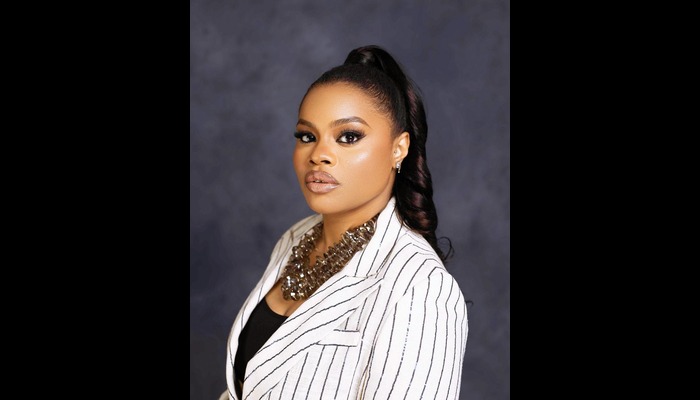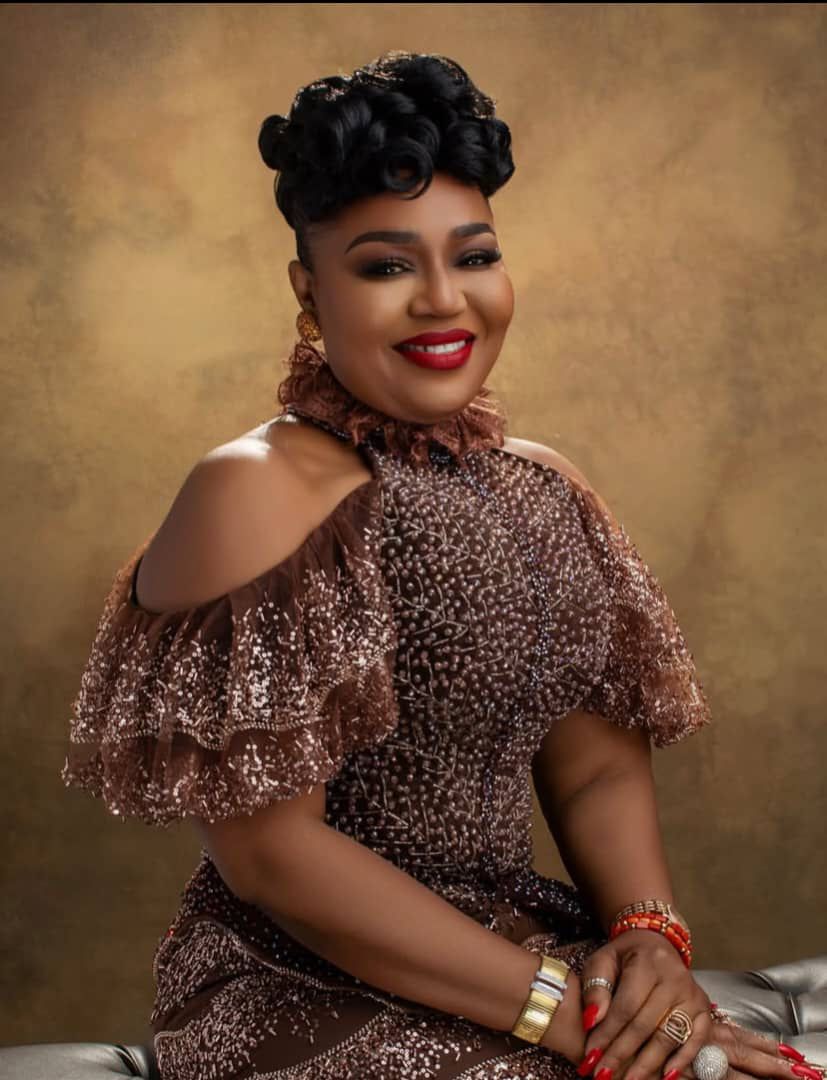
Eziada Folashade Balogun is a visionary entrepreneur and creative industry leader committed to elevating African excellence on the global stage. She is the founder of the Black History & Lifestyle Award (BHLA), a platform that celebrates African achievers across the continent and the diaspora while fostering recognition, collaboration, and opportunity.
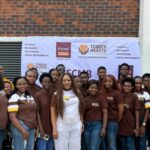
Through initiatives such as the BHLA UNGA Event in New York and the BHLA International Investment Summit & Trade Expo in California, she has connected African creatives and entrepreneurs with global partners, expanding access to markets, investment, and cultural exchange. Her most recent initiative, BHLA Youth in Creativity 1.0, convened over 1,000 young Nigerian creatives in Lagos and featured industry-led panels with leaders such as Bimpe Onakoya, Ugochukwu George Igbokwe, Emmy Kasbit, and Kid Baby, among others. Participants engaged in hands-on workshops and received practical tools including sewing machines, smartphones, curated makeup kits, and professional hair-styling tools, to support careers across fashion, media, beauty, and digital creativity.
Beyond BHLA, she is the founder of House of SOTA, a fashion brand bridging Africa and its diaspora through culture, innovation, and design. With over two decades of leadership experience spanning oil and gas and the creative economy, and executive education from leading global business schools, Eziada Folashade Balogun continues to shape Africa’s creative future through vision, strategy, and purposeful investment in talent.
In an exclusive interview with IFEOMA OKEKE-KORIEOCHA, Balogun reflects on her “non-linear” journey and the core belief that “passion starts the car, but structure drives it.” She opens up about the challenge of changing global perceptions, the vital importance of owning our narrative, and why she is committed to building a “ladder” that ensures no African entrepreneur is left behind on the journey to global recognition.

We know you from your remarkable work with House of SOTA, your advocacy for African entrepreneurship, and your creation of BHLA, which honors and documents African excellence globally. We’d love to hear more about your journey and vision. You have had a long and successful career spanning oil and gas, fashion, global entrepreneurship, and creative innovation. How has your journey shaped your approach to business and leadership today?
You know, life is interesting. My journey wasn’t a straight line, and I thank God for that. Working in oil and gas gave me my backbone. It taught me that without structure and rigorous standards, you cannot scale anything. But when I moved into fashion and creative innovation, I had to learn to breathe. Today, my leadership is a marriage of those two worlds. I run my creative businesses with the discipline of an oil executive, but I lead my people with the heart of a mother. I’ve learned that passion starts the car, but structure drives it to the destination.
House of SOTA has become a bridge between African fashion and the diaspora. What inspired you to create this platform, and what gap did you see in the market that you wanted to fill?
House of SOTA was born out of a desire to bring order and value to a very chaotic space. We are an Afrocentric brand rooted in sustainable fabrics like Adire and Aso-oke materials that carry deep history. However, I saw a massive gap in the market. The Nigerian space is saturated with creators, but many are simply replicating each other’s styles or creating designs that ignore reality; outfits that are not suitable for our tropical climate here or the seasons overseas. I wanted to move away from that noise. I created the House of SOTA to offer a distinction. We treat some of our pieces as Art premium, high-status items not meant for everyday wear, which preserves their value. Other lines are functional and climate-conscious. The inspiration was to stop “copying and pasting” and start creating sustainable, climate-appropriate fashion that honors the fabric’s heritage while solving the practical problems of the wearer.
With BHLA, you have created a platform that celebrates African achievement and creates actionable pathways for entrepreneurs. Why do you believe this kind of recognition and empowerment is essential for Africans both locally and globally?

We have to look at empowerment as a pipeline. I view our community in layers, and BHLA caters to all of them. First, I look at the youth. We have to “catch them young” and give them that change mindset before the world beats it out of them. Then, I look at the startups the ones who have taken the brave step to start but are starving for funds. Finally, I look at the mid-scale businesses they have money, but they have no global stage. Recognition validates their struggle. When we celebrate them, we are telling the world, “Look at us, we are valuable.” Whether it’s connecting a student to a mentor or an SME to a global investor, we are building a ladder so no one gets left behind.
Looking at your events, such as the BHLA UNGA Sideline Event in New York, the BHLA International Investment Summit & Trade Expo in California, and BHLA Youth in Creativity 1.0 in Lagos, how do you decide on the themes and structure of these initiatives? What do you hope attendees take away from these experiences?
I look at what the people in that specific room need to survive and thrive. When I am in California with the Governor’s office, or at the University of Southern California (USC), the conversation is high-level. We are talking about investment, policy, and intellectual heritage. I want those attendees to leave with contracts and partners. But when I come home to Lagos for Youth in Creativity, I cannot talk about policy to a child who needs a tool. That event is grassroots. We gave out sewing machines and phones because I want those youths to leave with a career in their hands. The structure changes, but the mission is the same: unlocking value.
BHLA emphasizes storytelling, leadership, and cultural empowerment in ways that go beyond celebration. How important is narrative and visibility in driving change for African communities worldwide?
My dear, narrative is the currency of the world. If we don’t tell our own stories, we will always be characters in someone else’s book. Whether we are collaborating with Nollywood and Hollywood or showcasing at Fashion Week, we are taking back the pen. We are showing the world that African leadership is not an accident; it is a standard. When we control the visibility, we control the value.
The Youth in Creativity 1.0 event provided practical support, including sewing machines, smartphones, makeup kits, and hair-styling tools. How do you see this hands-on support translating into long-term impact for young creatives?
I believe in “catching them young.” You can’t tell a young person to be a global leader if they don’t have the tools to practice their craft today. We gave out smartphones because, in this era, a phone is a broadcasting station and a marketplace. We gave sewing machines because they are factories. By putting these things in their hands, we are solving the poverty of resources. The long-term impact is economic independence. We are turning future job seekers into job creators.
The event also featured speakers like Bimpe Onakoya, Ugochukwu George Igbokwe, Emmy Kasbit… How do you select speakers, and what role do they play in inspiring and guiding young creatives?
I select them because they are living proof. I brought these people because they have walked this same hard road. I wanted the youth to look at them and say, “If she can do it, I can do it.” Their role isn’t just to speak; it is to show the youth that the ceiling they see is actually a door they can open.
Across your career and philanthropic initiatives, what challenges have stood out the most, and how have you overcome them to build a multi-faceted brand and global impact?
The biggest challenge has undoubtedly been changing the perception of value. When you start a philanthropic initiative coming out of Africa, the world often expects you to come with a “begging bowl,” asking for aid. But with BHLA, my vision was different. I wasn’t coming to ask for help; I was coming to offer value. I was coming to showcase excellence.The challenge was getting global stakeholders whether in Hollywood or government offices in California to see us as equal partners, not just beneficiaries. I had to fight to prove that an African-led platform could host high-level investment summits and influence policy, not just throw parties. I overcame this by being strategic about structure. I didn’t just build an “awards show”; I built an ecosystem. I aligned us with credible institutions like the State of California and the University of Southern California. I ensured that for every celebration, there was an economic engine behind it like the trade expos for our mid-scale businesses or the training camps for our youth. We built a multi-faceted brand by refusing to be put in a box. We showed them that we can document history, train the next generation, and facilitate global trade all at the same time. That is how you command respect.
How do you balance your multiple roles as entrepreneur, innovator, and philanthropist, while still staying connected to your family and personal life?
I don’t believe in “balance” in the traditional sense; I believe in integration and priority. I am a woman with a lot of energy, but my family remains my anchor. They are the reason I work this hard. I approach my personal life with the same intentionality I apply to my business. When I am with my family, I am fully present that is non-negotiable. However, because I have a “millennial mindset” regarding work, I leverage systems. I build teams that share the vision and run with the mandate. I don’t try to be the superhero who does everything; I am the architect who ensures everything gets done. That is how you run a global ecosystem without losing your home.
Looking ahead, what is your vision for BHLA, House of SOTA, and your other ventures over the next 5-10 years?
My vision is to solidify this ecosystem. In 10 years, I want to see the youths we empowered today presenting their Adire collection, tech solutions and initiatives at our summit in California. I want House of SOTA to be the global benchmark for sustainable African luxury, and BHLA to be the undisputed bridge moving talent from the “idea stage” to the “global icon stage.”
For young Africans, especially women who look up to you and aspire to make an impact, what advice would you give for navigating challenges while staying true to their vision and culture?
Do not sell your birthright for a bowl of soup. Your culture is your superpower. The world has enough copies; they are looking for the original. Be intellectually sound, read, learn, understand the business but stay true to your roots. The challenges will come, but if you are authentic, you will always find a way.