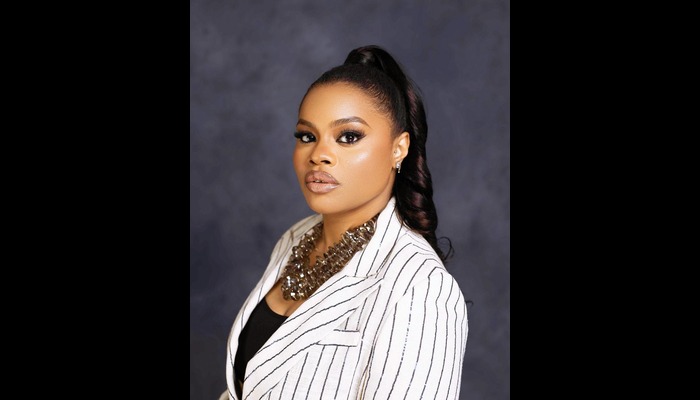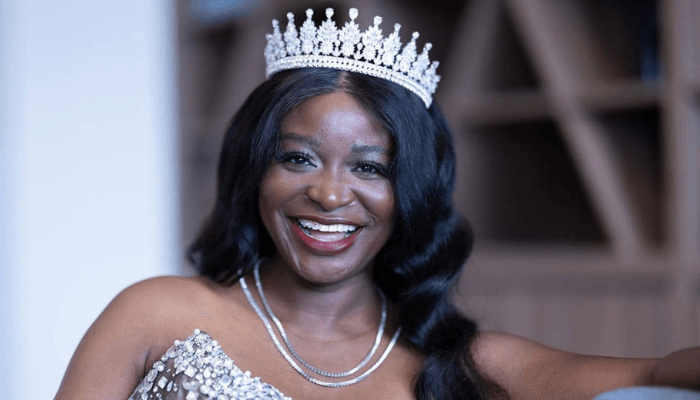
Abiodun Koya is a Classical/Operatic Singer, Poet and a serial entrepreneur by profession. While singing for some of the world’s most influential leaders of today, she has been described as one of the world’s most beautiful voices. Born and raised in Nigeria, she is one of the very few professionally trained Classical singers of African descent and of her generation. Her efforts as an artist have been to creatively and purposefully display a positive message and influence diverse cultures across America and the rest of the world. Through her non-profit, Abiodun mentors at-risk children in Nigeria and in the US utilizing her “Music Literacy Program” Initiative.
In this exclusive interview with IFEOMA OKEKE-KORIEOCHA, she reflects on a momentous double milestone: her 45th birthday and her 20th anniversary on the global stage. From her early days designing hair for dolls to performing for audiences of 15,000, Abiodun discusses the “politics” of the opera world, the romantic inspiration behind her poetry, and why she has chosen this moment for a triumphant “homecoming” to Nigeria.
Tell us a bit about yourself
I am a classical singer born and raised in Ogun State, and I am a proud Ogun woman. I have been singing all my life, and this year marks my 20th anniversary performing globally on stage, representing Nigeria in the classical genre within the Western world.

I am widely regarded as a leading face of classical music for Nigeria and, by extension, West Africa. Across the African continent, professionally trained internationally recognized classical artists remain very few. South Africa has produced a handful of opera stars, while West Africa has very limited representation making my role both unique and significant.
When you say you represent Nigeria, what do you mean?
I represent Nigeria as my home country on the global classical stage. Whenever I perform internationally, audiences are curious about my origin. Some have already done their research, while others ask directly and I proudly tell them I am Nigerian.
Many are surprised: “Nigeria produced a classical artist?” That curiosity creates an opening for cultural exchange and dialogue sometimes. One of my key missions as a Nigerian classical ambassador is introducing Nigerian languages into classical music. Traditionally, classical repertoire is performed in Western languages: Italian, German, French, Spanish, Latin, and English with little to no African-language representation.
I began performing Nigerian folk songs in Yoruba and occasionally Igbo for classical audiences abroad. I have also translated select operatic arias into the Yoruba language hence the nickname: Yoruba Siren.

What countries have you travelled to for performances?
I primarily perform across Western countries, including France, Germany, Italy, Australia, and the United States, where I am based. I am in the months ahead going to be performing in middle eastern countries as well.
Are these performances by invitation?
Yes, absolutely. I receive invitations to perform internationally.
What did you study, and how did you come into classical music?
My first degree is in Business Management, and I later earned a Master’s degree in Music. Creativity defined my childhood. From a young age, I designed clothes for my dolls, styled their hair, brushed their eyelashes, wrote short lyrics, drew, and painted. My childhood dolls were my first creative “laboratory.”
I knew very early before the age of ten that I belonged on the stage. However, my parents were concerned about the sustainability of an artistic career. They wanted me to pursue accounting, but mathematics was my weakest subject. So I compromised by studying business management, which satisfied their expectations while aligning with my interest in the art of business enterprise.
Once I completed that degree, I followed my true calling and studied music in the United States. Even before graduating, I was already performing professionally. I was frequently hired by my University Chancellor, and at my graduation ceremony, I performed before an audience of over 15,000 people—my first major audience. I sang “Climb every mountain” from The Sound of Music.
Where do you draw your inspiration from?
I am deeply inspired by love and romance: the beauty, mystery, thrill, revival, vulnerability, and complexity of it. Whether I am in love, heartbroken, or reflecting on love, it fuels my songwriting.
Beyond romance, life itself inspires me: relationships, human behavior, and the way I perceive situations from unconventional angles. That perspective usually finds its way into my work.
How many songs have you written?
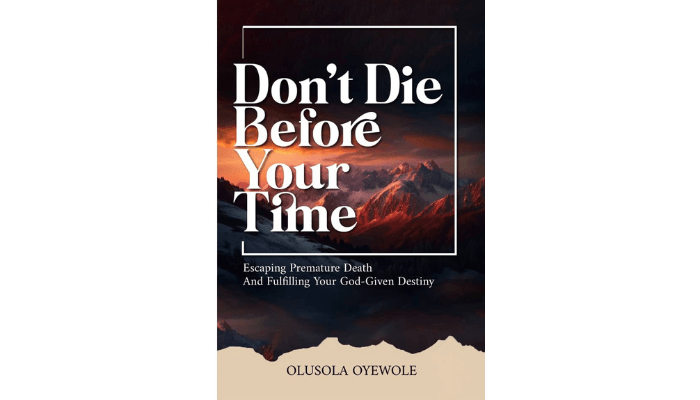
Many. Some of my songs have evolved into poetry. Three years ago, I released a poetry collection titled The Moods of a Goddess, available on Amazon. The book explores themes such as love, spirituality, time, religion, and nature.
One of my astounding poems personifies time as a witness to the rise and fall of civilizations. Another, (Òsùpá) reflects an intimate experience I once had with the moon on a date with an astronaut while standing on a mountain ridge, feeling as though it was close enough to reach out and hold. That moment inspired a deeply reflective poetry piece.
Does this career pay the bills?
Yes, and I consider myself fortunate. I have never worked outside the creative arts. Beyond singing, I conduct book tours, deliver masterclasses at universities, and very rarely and occasionally offer a very expensive yet high-level vocal coaching. Vocal coaching for me is demanding and time consuming, so I do it selectively but the transformation in candidates is often immediate and remarkable.
How receptive are U.S. audiences to your music?
Very receptive. Many describe my work as exotic and regal. They are fascinated by my cultural background and how I merge African identity with classical tradition. When I sing in Yoruba, audiences are eager to learn. I often teach them simple greetings, creating a moment of cultural exchange.
How often do you perform in the U.S.?
I typically produce two to three ticketed concerts per year. Outside of that, I am frequently hired to perform at private and corporate events.
What is your typical audience like?
My audiences often include diplomats, politicians, business leaders, and cultural enthusiasts.
What advice would you give aspiring classical musicians?
Be tenacious, disciplined, humble and adaptable. Excellence requires commitment, and longevity requires the ability to remain focused , disciplined and humble.
Do you have daily vocal routines?
Yes. I hum and vocalize while driving or doing house chores. In hotels, I practice discreetly sometimes with the television turned up or in the shower, using running water to mask the sound.
What major challenges have you faced?
Being a woman in the industry presents unique challenges, including politics and power dynamics. At a certain point, being a strong minded and confident woman, I chose independence over conformity. I established my own production company so I could work on my own terms and bring to life the whimsical creative realms in my head.
Also, while I have encountered some racism, it has not been as pronounced as what others have faced. My greatest challenge and triumph has been asserting autonomy without compromising integrity, self and authenticity.
What should we expect from your upcoming event?
An intimate evening celebrating 20 years on stage and my 45th birthday, held on the same day. The audience will include diplomats, expatriates, business leaders, political figures, and longtime supporters.
What does this event mean to you?
It is a homecoming. I had not held an event in Nigeria in six years. This celebration reconnects me with my roots, my people, and my journey. While I will also celebrate in the U.S., this moment in Nigeria is deeply meaningful.
Who are your role models?
Andrea Bocelli, Sarah Brightman, and Leontyne Price. Bocelli and Brightman successfully transitioning from traditional opera into classical crossover is an artistic space I totally identify with. I consider myself an operatic singer, rather than a traditional opera singer, as I enjoy the freedom and versatility of crossover classical music.