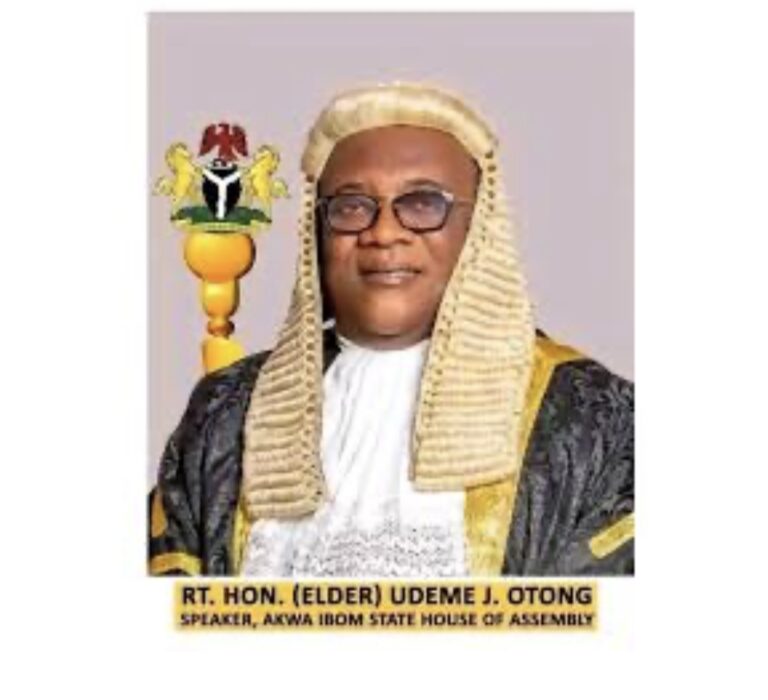
Showdown aborted as Farouk Ahmed of NMDPRA and Gbenga Komolafe of NUPRC resigned.
Tension eased in the oil sector as the anticipated showdown between regulator Farouk Ahmed and sector player Aliko Dangote over allegations against Ahmed failed late Wednesday.
Farouk Ahmed and Gbenga Komolafe, the heads of Nigeria’s top oil regulators, resigned. They are directly linked to a public corruption scandal and a clash with Africa’s richest man, Aliko Dangote.
The Core Allegations

The immediate trigger for the resignations was a formal petition filed by Aliko Dangote with Nigeria’s Independent Corrupt Practices Commission (ICPC) on December 16, 2025. The allegations are detailed and serious:
• Financial Impropriety: Dangote accused Farouk Ahmed of spending between $5 million and over $7 million to pay for his four children’s education in Switzerland over six years, which the petition argues is “far above his legitimate means as a public servant.
• Abuse of Office and Economic Sabotage: Beyond personal corruption, Dangote accused Ahmed of abusing his position at the Nigerian Midstream and Downstream Petroleum Regulatory Authority (NMDPRA). He alleged that the regulator was undermining domestic refining by continuing to issue licences for fuel imports, thereby favouring international traders over local producers such as the Dangote Refinery. Ahmed has publicly dismissed these claims as “wild and spurious.
The Government’s Response
Faced with this public crisis, the administration of President Bola Tinubu moved swiftly to stabilise the country’s crucial oil and gas sector.

• Acceptance of Resignations: The Presidency confirmed that it had accepted the resignations of both Farouk Ahmed (NMDPRA) and Gbenga Komolafe (NUPRC) and forwarded them to the Senate.
• Nomination of New Chiefs: President Tinubu nominated two industry veterans as replacements and has asked the Senate to expedite their confirmation.
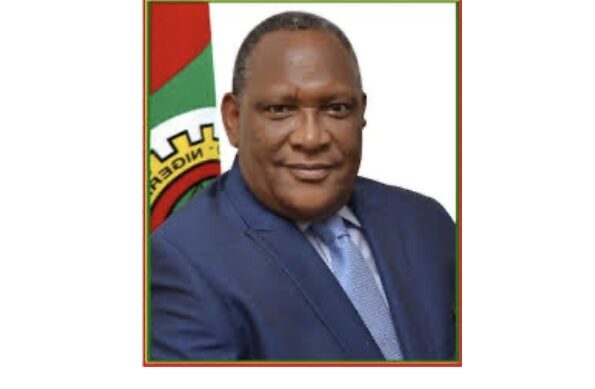
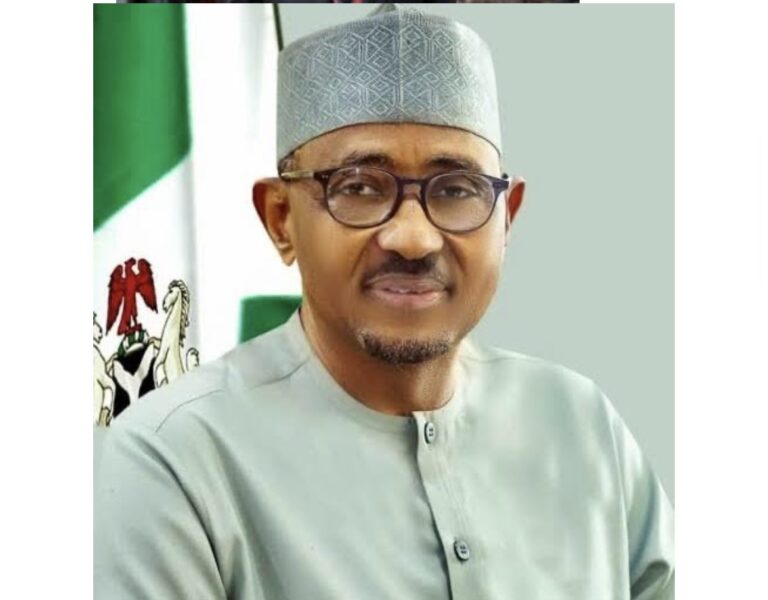
o Oritsemeyiwa Amanorisewo Eyesan: A 33-year veteran of the state oil company NNPC, nominated to lead the Nigerian Upstream Petroleum Regulatory Commission (NUPRC).
o Engineer Saidu Aliyu Mohammed: A chemical engineer with extensive experience in refining and gas, nominated to lead the Nigerian Midstream and Downstream Petroleum Regulatory Authority (NMDPRA).
• Saidu Aliyu Mohammed’s appointment was a double blessing, as Seplat Energy named him, along with former UACN boss Larry Ettah, to its board from January 2026. Doubtful if he can take up the Seplat appointment in his new position as regulator over the sector.
• Official Investigations: The ICPC has confirmed receipt of Dangote’s petition and stated that the allegations “will be duly investigated. Additionally, the House of Representatives has resolved to probe the broader issues of fuel import licenses and the dispute’s potential impact on national fuel supply.
Read also: What Nigeria’s Dangote dispute reveals about institutions and transition
Broader Implications
This crisis highlights significant challenges within Nigeria’s energy sector:
• Test of Reforms: The incident is a significant test for the Petroleum Industry Act (PIA) of 2021, the landmark law under which these regulatory agencies were created. It exposes the persistent tensions between regulators and powerful private interests.
• Risk of “Regulatory Capture“: Some public commentary has raised concerns that the dispute may reflect a deeper issue of “regulatory capture,” in which a dominant industry player like the Dangote Group could wield excessive influence over the agencies meant to oversee it.
Nigeria’s business and regulatory landscape was shaken this week as Aliko Dangote, the influential promoter of the 650,000-barrel-per-day Dangote Refinery, publicly accused Engr Farouk Ahmed, Chief Executive of the Nigerian Midstream and Downstream Petroleum Regulatory Authority (NMDPRA), of corruption and economic sabotage. The extraordinary public petition has triggered formal investigations and exposed deep fissures within the sector.
A Nation Divided: Public and Institutional Reactions
Reaction has split into two clear camps:
• Camp Calling for Investigation: Led by Dangote, this group includes figures like former Trade Union Congress President Peter Esele, who has called for a probe and suggested that Ahmed step aside to ensure an unimpeded investigation.
• Camp Defending Ahmed: Key industry bodies have rallied behind the regulator. The Petroleum Retailers Association (PETROAN) issued a vote of confidence, warning that public attacks on the industry regulator damage investor confidence. A coalition of 40 lawyers condemned Dangote’s move as a “malicious media trial,” while the National Association of Nigerian Students (NANS) defended Ahmed’s integrity.
Context: A Long-Simmering Feud
This clash is the explosive culmination of a protracted battle between Dangote Refinery and its regulator:
• Tensions date to July 2024, when Ahmed publicly questioned the quality of fuel from local refineries compared to imports.
• Dangote has repeatedly accused the NMDPRA of protecting fuel importers by issuing licenses, thereby sabotaging the market for its domestic refinery.
• Analysts view the current personal allegations as a tactical escalation in the broader war over Nigeria’s energy policy—between prioritising domestic refining and maintaining an import-dependent status quo.


2. Supreme Court on Emergency Powers
On 15 December 2025, the Nigerian Supreme Court delivered a complex ruling on the boundaries of presidential authority during a state of emergency. The case originated from President Bola Tinubu’s March 2025 declaration in Rivers State, which suspended the governor, deputy governor, and state legislature for six months.
Key Constitutional Questions Answered
The court addressed three central issues:
1. Power to Declare an Emergency: Affirmed. The President holds this authority under Section 305 of the 1999 Constitution.
2. Power to Suspend Elected Officials: Confirmed (6-1 Majority). The Court held that the President’s discretion to take “extraordinary measures” can include the limited-duration suspension of state officials.
3. Procedure for Declaration: Procedural flaws noted. The court found the House of Representatives’ voice vote approval did not meet constitutional requirements.
Legal Reasoning: A Dismissal with an Advisory Opinion
The ruling was procedurally nuanced:
• Jurisdictional Dismissal: The Court struck out the suit brought by 11 opposition states, ruling they lacked standing to bring the case directly to the Supreme Court.
• Merits Dicta (Advisory): Despite the dismissal, the 6-justice majority offered a binding legal opinion, stating the suit “would still have failed.” They interpreted Section 305 as granting broad discretion, tempered by safeguards like proportionality and legislative oversight.
• The Dissent: Justice Obande Ogbuinya argued that emergency power cannot override democratic mandates, considering the suspension of elected officials unconstitutional.
Implications and Reactions
The ruling has ignited significant debate:
• Federal-State Relations: Critics, including the African Democratic Congress (ADC) and lawyer Femi Falana (SAN), warn that it risks over-concentrating power in the presidency and undermining federalism.
• Official Response: The Attorney-General, Lateef Fagbemi (SAN), commended the decision as a victory for constitutional governance.
• A Guarded Precedent: Legally, the ruling’s value as a binding precedent is limited due to the jurisdictional dismissal. However, its detailed reasoning provides a robust framework for future legal challenges focused on procedure or proportionality.
3. Opinion: “Supreme Court Contradicts Its Own Precedent”
By Mahmud Jega
I am not a lawyer. But with three decades as a political reporter, I see a glaring contradiction in the Supreme Court’s Monday ruling on emergency powers—a direct clash with its own 2008 precedent.
The court’s 6-1 decision held that the Constitution empowers the President to take “extraordinary measures,” including the suspension of elected officials, during an emergency. Justice Mohammed Idris reasoned that since Section 305 doesn’t specify exact measures, it grants presidential discretion.
This logic directly overturns the Court’s 2008 principle. In the case concerning Vice President Atiku Abubakar’s defection, the Court ruled unequivocally that an executive officer can lose office only through one of four constitutionally specified means: death, resignation, impeachment, or incapacitation. “You cannot add to the Constitution what it did not specify,” the Court declared then. By that same logic, since a state of emergency is not listed as a ground for removal, it cannot be used to suspend a governor.
This was the understanding that guided President Goodluck Jonathan in 2013, who—advised by his Attorney-General—specifically refrained from suspending state governments despite declaring an emergency in the Northeast.
Justice Obande Ogbuinya, in his lone dissent, reaffirmed this longstanding principle: an emergency declaration cannot override the democratic mandate of elected state officials. Monday’s flip-flop is not merely a legal inconsistency; it is a decision that could have serious consequences for Nigeria’s political stability and security framework in the years ahead.
4. Akwa Ibom House Speaker’s Control Claims Sparks Outrage
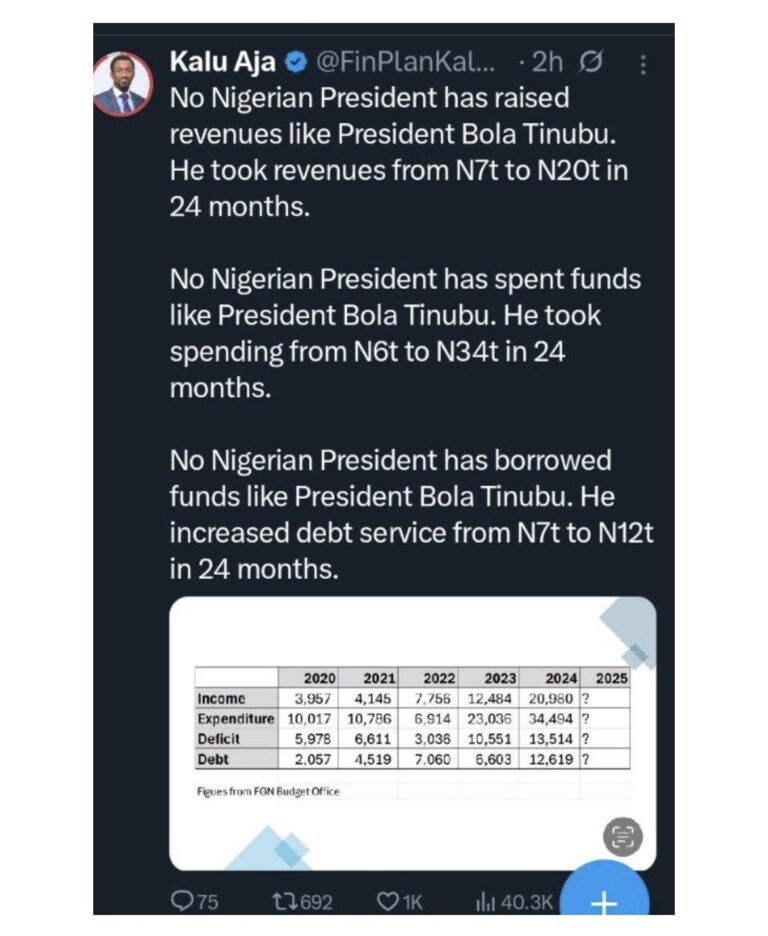
The Speaker of the Akwa Ibom House of Assembly, Udeme Otong, is facing public criticism for claiming he personally controls the political tickets for the state’s next legislative elections.
During a birthday visit by the Ibom Grassroots Development Initiative (IGDI) at his home in Abak Itenge, Speaker Udeme Otong made several controversial statements. The key claims from the viral video include:
• The outcome of the 2027 Akwa Ibom House of Assembly election is “already concluded”.
• He holds all 26 tickets for the assembly and will choose who gets them: “All the tickets are already in my pocket.”
• No one would become a member of the state legislature without his approval.
Reactions and Broader Political Context
The statements have been widely condemned as “anti-democratic, provocative, and misleading” by media groups and the public. Critics argue that party candidacies should be determined by internal democratic processes rather than personal control.
This controversy occurs during a period of significant political realignment in Akwa Ibom:
• Mass Defection: In June 2025, 24 of the 26 assembly members, including the speaker, defected from the People’s Democratic Party (PDP) to the All Progressives Congress (APC), alongside Governor Umo Eno.
• Unstable Alliances: There is ongoing speculation and pressure for Governor Umo Eno to formally defect to the APC ahead of the 2027 elections to support President Tinubu’s re-election.
• Internal Party Tension: Some analysts view the speaker’s claim of control as a sign of internal APC conflict, suggesting the party in Akwa Ibom might be “sitting on a time bomb” that could lead to future defections.