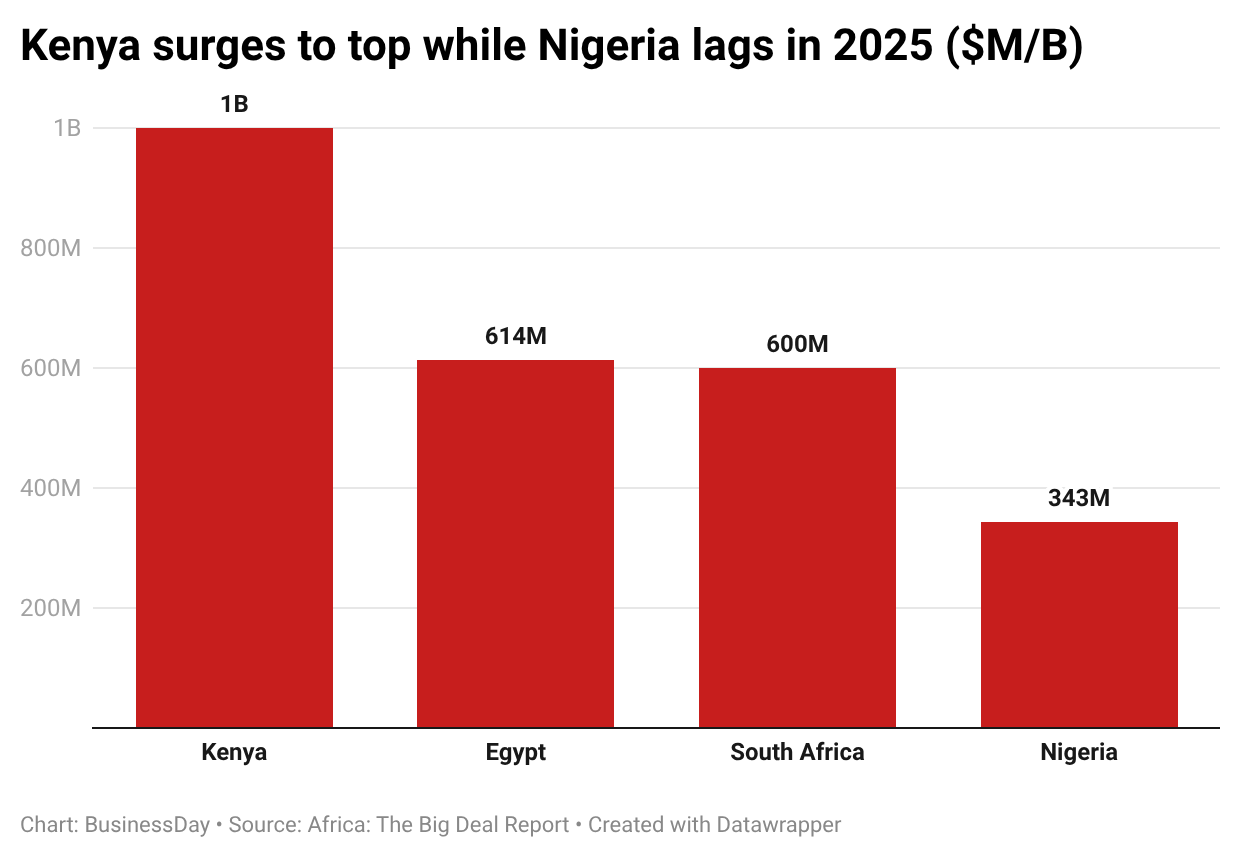
Nigeria, long seen as a fast follower in Africa’s digital finance race, is rapidly redrawing the continent’s payment map as its instant payment systems record explosive growth, challenging Kenya’s long-standing dominance in mobile money.
For years, Kenya, home to the pioneering M-Pesa platform, has led Africa in real-time and mobile money transactions, with instant payments accounting for more than 200 percent of its Gross National Income (GNI).
But fresh data and expert assessments suggest Nigeria is now closing the gap at remarkable speed, driven by regulatory reforms, fintech innovation, and mass consumer adoption.
According to theeastafrican.co.ke, Nigeria has recorded a dramatic rise in the value of transactions processed through real-time payment platforms, signalling a major shift in Africa’s digital payments ecosystem. The surge reflects growing trust in instant payments across banks, fintech platforms and mobile channels, positioning Nigeria as a new continental leader in the making.

Instant payments enable money to move from one account to another in real time, with funds settling within seconds and becoming immediately available to recipients.
In Nigeria, these transactions cut across traditional banking rails, mobile money platforms, and fintech-powered payment gateways, making them central to daily commercial activity.
The Central Bank of Nigeria (CBN) has openly acknowledged the scale and sophistication of the country’s payment infrastructure. Speaking in June 2025, the CBN declared Nigeria’s instant payment system among the most advanced globally, citing its speed, efficiency and widespread adoption as benchmarks for other markets.
Read also: How mobile money growth is fueling financial inclusion
That assessment was reinforced by Mr. Musa Jimoh, the director of Payments System Policy at the CBN, during the FintechNGR Quarter Two Regulators’ Forum Webinar themed “Beyond Compliance: Unlocking Innovation with Nigeria’s Open Banking Framework.”

According to Jimoh, Nigeria’s payment ecosystem has undergone a profound transformation over nearly two decades, shaped by deliberate policy choices and sustained regulatory intervention.
“Our payments happen within seconds, and that is a very big one for Nigeria as a country,” Jimoh said, noting that instant payments have become a core pillar of financial inclusion and economic participation.
He traced the evolution of the system to 2006, when the CBN launched its first payment system vision to modernise Nigeria’s financial infrastructure. A critical turning point came in 2010, when the apex bank mandated the migration of payment cards to PIN-based technology, enabling the widespread issuance of EMV cards and strengthening electronic payments.
Subsequent reforms expanded the ecosystem further, including the introduction of Know Your Customer (KYC) rules, mobile banking and mobile money operations, agent banking frameworks, and the cashless policy. Today, Nigeria boasts more than 160 licences issued to institutions offering financial and payment services, alongside major infrastructure upgrades by banks and switching companies to handle soaring transaction volumes.
The introduction of biometric verification through the Bank Verification Number (BVN) also helped strengthen trust and security within the system, laying the foundation for more advanced digital services.
More recently, the CBN has turned its focus to open banking as the next frontier for growth. Jimoh explained that while banks and financial institutions hold vast amounts of customer data, fragmentation has limited its effective use. Open banking, he said, would allow developers to access permissioned data, subject to customer consent, to build innovative products and improve service delivery. Beyond innovation, open banking is expected to deepen competition, reduce costs, and accelerate financial inclusion.
However, Jimoh acknowledged challenges, particularly around standardising application programming interfaces (APIs) and strengthening cybersecurity.
To address these issues, the CBN has established dedicated workstreams and a regulatory sandbox to support experimentation while maintaining system stability. “The CBN aims to create an environment where openness, inclusiveness, and innovation drive national economic resilience and prosperity,” Jimoh said.
As Nigeria’s instant payment volumes continue to climb, the country’s experience underscores a broader shift in Africa’s digital finance landscape, one in which scale, regulation and fintech collaboration may prove just as decisive as early innovation.