The Kano Chamber of Commerce, Industry, Mines and Agriculture (KACCIMA) has raised concerns over the Federal Government’s import policies, warning that continued reliance on fuel imports despite growing local refining capacity could undermine the economy, discourage investment, and worsen unemployment and insecurity.
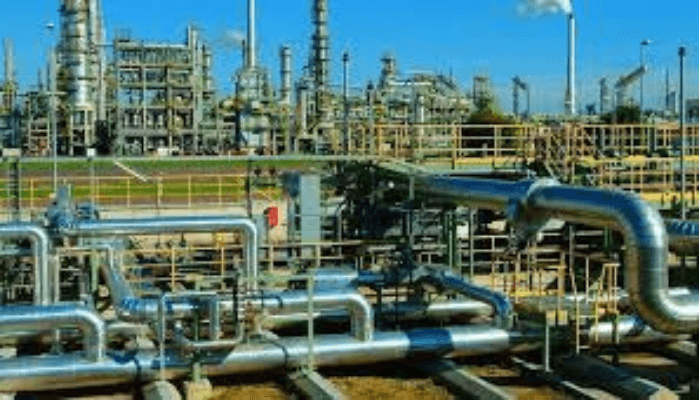
The Chamber of Commerce cautioned the Federal Government that policies still allowing extensive importation of Premium Motor Spirit (PMS) threaten major local investments, particularly large-scale refineries that have committed huge capital to domestic production.
Usman Darama, president of the Chamber, stated this Friday, while, briefing Journalists, on the recent face-off between Aliko Dangote, and the managing director of the Nigerian Midstream and Downstream Petroleum Regulatory Authority (NMDPRA).
According to the Chamber, local investors who have spent years building projects in Nigeria deserve strong protection from government policies. It noted that some of these investors are among the largest employers in the country, second only to the Federal Government, and any threat to their operations could have far-reaching consequences.

“If a local investor who has invested so much time and money is threatened or sabotaged, it sends a very bad signal to the government and to potential foreign investors looking at Nigeria,” the Chamber said. “This is why we are appealing directly to the President to call his people to order and ensure that the right thing is done.”
While stressing that no single company should dominate the sector, the Chamber argued that continued issuance of licences to import PMS contradicts Nigeria’s first policy on import, especially when local capacity exists.
The chamber maintained that fuel importation creates jobs abroad, increases pressure on foreign exchange, and adds to government budgetary strain, while local refining creates employment at home and supports currency stability.
The group linked recent improvements in foreign exchange stability to increased local production, noting that the naira-dollar rate has eased since domestic refining began operations. It also warned that any disruption to major refineries could lead to job losses, which in turn may worsen national security challenges, as unemployment is a known driver of insecurity.
Beyond policy concerns, the Chamber alleged corruption within regulatory institutions, claiming that unresolved cases and allegations involving billions of dollars have lingered for nearly a year without clear accountability or transparency on recovered funds and their allocation to the economy.

On claims that local refineries could monopolise the downstream sector, the Chamber dismissed such fears as political, arguing that monopoly concerns would be better addressed by encouraging more investors to build refineries locally rather than issuing import licences. It recalled that Nigeria once had dozens of refineries capable of competing if properly supported.
The Chamber reaffirmed its support for the Federal Government’s positive efforts but insisted it would continue to speak out against policies it believes harm the economy. It called for fairness, justice, and neutrality in policy implementation, stressing that Nigeria belongs to all citizens.
“Our hope is peace, fairness, and a stable business environment,” the Chamber said. “If investors are discouraged, those who want to come after them will also stay away. Nigeria must practically demonstrate its commitment to supporting local investment if we are serious about economic growth.”