Airtel Africa has announced a strategic partnership with SpaceX to introduce Starlink’s Direct-to-Cell satellite connectivity across its 14 African markets.
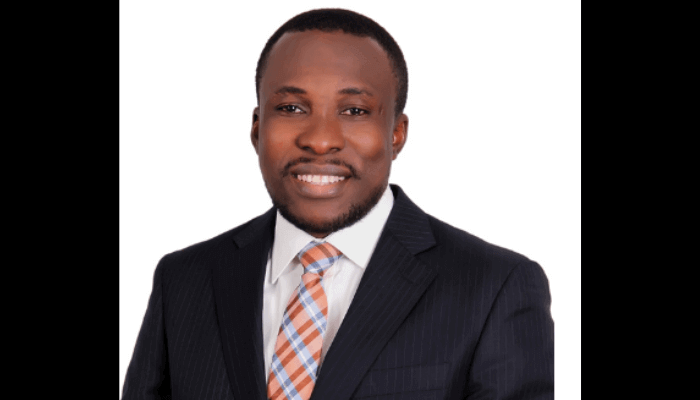
Dinesh Balsingh, Airtel Nigeria’s Chief Executive Officer stated that the collaboration is different from Starlink’s existing broadband service that requires customers to buy and install satellite dishes and routers.
“This is not about buying a Starlink kit or putting anything on your roof,” Balsingh said.
“This is direct-to-mobile connectivity. Customers with compatible 4G or 5G smartphones will be able to connect directly to satellites when they move into areas where there is no terrestrial network.”

This move is aimed at closing persistent coverage gaps in deep rural and hard-to-reach areas.
Read also: Here’s how Airtel Africa performed in Q1’25
Under the agreement, Airtel Africa customers will be able to access satellite connectivity seamlessly on their mobile phones in locations without ground coverage.
The service is expected to support text messaging, USSD, mobile money transactions and select data applications such as WhatsApp and WhatsApp calls, the CEO stated.
He noted that high-speed data capabilities are planned for later phases as next-generation Starlink satellites are deployed.

In Nigeria, Airtel plans to launch the Direct-to-Cell service in 2026, subject to regulatory approvals.
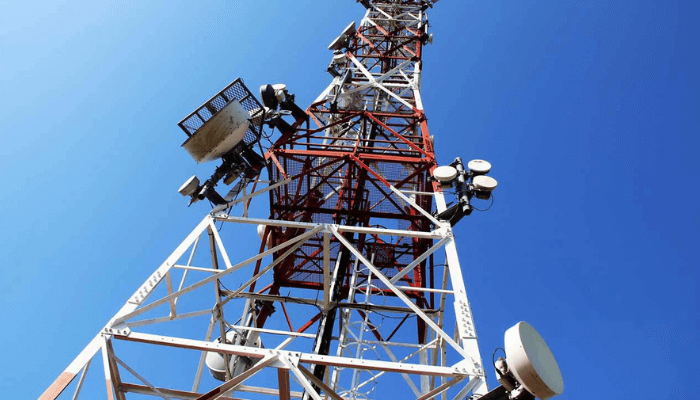
When it goes live, Airtel Nigeria will become the first mobile network operator in the country to offer Starlink’s Direct-to-Cell service, powered by a constellation of hundreds of low-earth-orbit satellites.
Balsingh explained that the service is not designed to replace Airtel’s existing network, particularly in cities and towns.
He noted that about 98 percent of Nigeria’s population are already covered by Airtel’s terrestrial network, with 99 percent of its sites operating on 4G and network availability at around 99.5 percent.
“Urban areas and most towns are already very well covered. Where this really helps is deep rural locations, deserts, mountainous terrain or places where it is extremely difficult and expensive to build roads and towers. In those places, satellite connectivity can come in quickly.”
Balsingh addressed concerns around affordability and relevance for rural communities, noting that smartphone penetration, while lower in rural areas than cities, is steadily growing.
“WhatsApp, Facebook and mobile money are already widely used, even in rural areas,” he said. “This service serves both the rural population that lives there and people who travel in and out for farming, trading or other economic activities.”
Beyond rural coverage, Airtel stated that the satellite link would also improve network resilience, providing a fallback option in cases of fibre cuts, vandalism or natural disruptions that affect terrestrial infrastructure.
Balsingh noted that the partnership aligns with Airtel Africa’s broader mission to bridge the digital divide and drive financial inclusion across the continent.
“Our responsibility is to ensure that no community is left behind. With satellite-to-mobile connectivity, customers will have access wherever they go, irrespective of geography,” he stated.
While unveiling the satellite partnership, Airtel Nigeria also reaffirmed its commitment to continued investment in terrestrial infrastructure.
Over the past six months, the company said it has rolled out about 700 new sites, expanded fibre capacity, upgraded 4G radios and continued 5G deployments in major urban centres.
“Today’s announcement is not just about technology. It is about enabling opportunities, expanding possibilities and ensuring that every Nigerian can participate in a brighter digital future,” Balsingh stated.