Fragmented government policies, uncoordinated infrastructure rollout and costly duplication are eroding Nigeria’s broadband potential, network operators and digital infrastructure providers warned.
This is even as they said Nigeria paradoxically boasts some of Africa’s largest international connectivity capacity but continues to struggle to translate this into nationwide broadband access.
Nigeria currently hosts eight subsea cable systems delivering more than 360 terabits per second of capacity to its shores. Yet fixed broadband penetration remains below six percent.
According to operators at a national connectivity workshop in Lagos, the disconnect lies in the absence of a coordinated national framework linking subsea landing stations to middle-mile, metro and last-mile networks.

“The infrastructure is coming into the country, but it is not moving through the country,” one participant noted, pointing to fragmented deployment strategies and overlapping investments that have drained capital without expanding coverage.
Stakeholders said Nigeria’s broadband market has been shaped by isolated, operator-by-operator builds, particularly in urban corridors, resulting in costly duplication. A single 96-core fibre deployment along Lagos’ Third Mainland Bridge costs an estimated N248 million, yet multiple operators often install parallel routes on the same corridor—resources that could otherwise have been deployed to underserved regions.
To address this, operators urged the federal government to accelerate Project Bridge, the proposed 90,000-kilometre national fibre backbone, and to embed open-access principles from the outset. Industry players are also committed to exploring consortium-based models, similar to those used for subsea cable systems such as 2Africa and Equiano, for inland fibre deployment, alongside greater transparency in route planning.
State-level fragmentation was also identified as a major barrier. Participants called for a 36-state connectivity pact anchored on harmonised rights-of-way processes, predictable approval timelines and reciprocal commitments to broadband expansion, rather than the current patchwork of regulations.
Financial institutions, stakeholders said, have remained cautious about funding broadband projects due to governance gaps, weak audits and uncertain revenue visibility. Open-access wholesale infrastructure and consortium-led builds, they argued, would improve project bankability and unlock investment from development finance institutions, pension funds and private capital.

The workshop further highlighted inefficiencies in domestic traffic routing, with many Nigerian enterprises still sending local data through Europe. Expanding internet exchange points beyond major cities and incentivising content delivery network deployments were identified as critical to improving performance and data sovereignty.
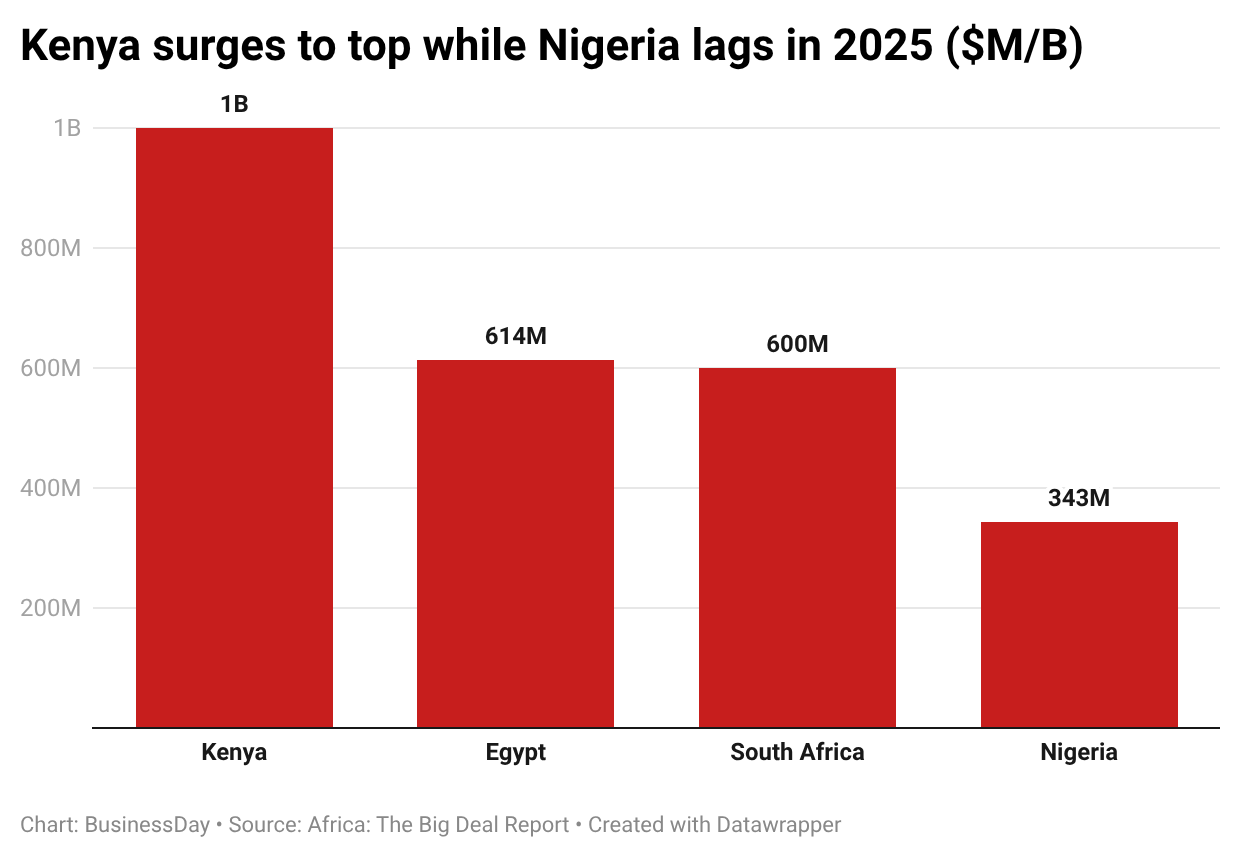
By the close of the session, participants endorsed the creation of a Connectivity Working Group to coordinate policy alignment, infrastructure mapping and progress tracking toward Nigeria’s 70 percent broadband coverage target, warning that without decisive reform, the country risks falling behind peer African markets.