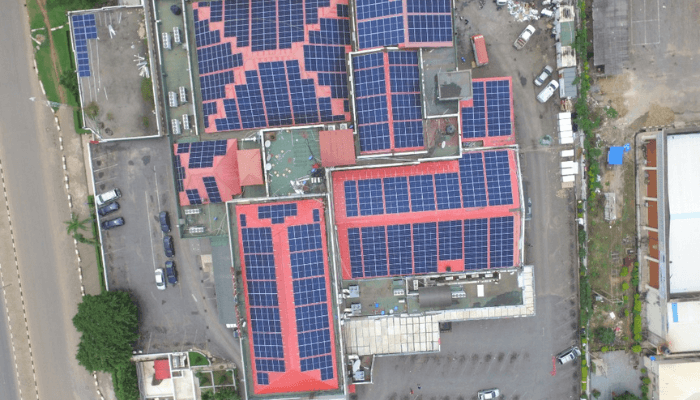
Churches across Africa’s most populous nation are turning to solar energy to keep their lights as the familiar roar of diesel generators that once punctuated Sunday services is gradually giving way to the silent efficiency of solar panels
From urban megachurches in Lagos to remote congregations in Plateau State, religious institutions are increasingly abandoning expensive diesel generators in favour of solar panels and battery systems, joining a nationwide shift toward renewable energy that’s transforming how Nigerians access electricity.
The Foursquare Gospel Church, a Pentecostal Christian denomination in Mushin, Lagos, previously spent approximately N300,000 monthly on diesel and N20,000 on electricity bills, but leadership determined that a N5million solar installation would recoup costs within months while eliminating the noise and fumes that once permeated worship services.
“The investment pays dividends through eliminated fuel expenses and maintenance costs associated with generators,” Moses Uka, the church technical officer, told BusinessDay.

The shift reflects a broader energy transformation sweeping Nigeria, where only 45 percent of the population is connected to the national grid, and power supply failures occur around 85 percent of the time.
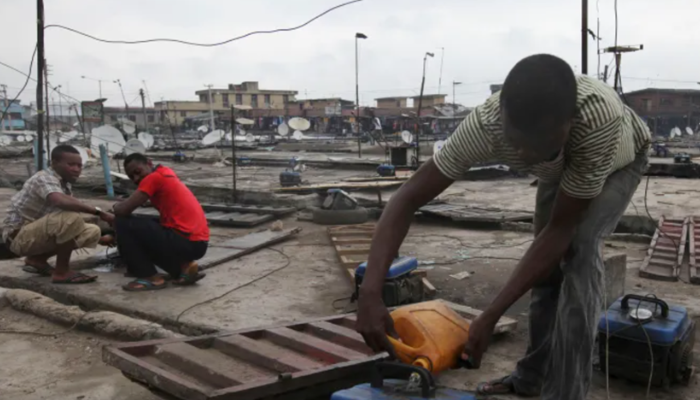
The shift reflects a broader energy revolution sweeping across Nigeria, where chronic power failures have pushed churches, mosques, businesses, and households to abandon the noisy, polluting generators that have become synonymous with African urban life.
With the national grid collapsing more than 10 times in 2024 and average power supply estimated at just four hours daily, religious institutions are finding salvation in solar panels.
In Oke-Afa, a border town in Ogun state, where many communities have never had grid connections, churches like The Church of Christ Ministries couldn’t hold evening Bible studies or services until some members jointly donated 5kva solar battery with panels for installation.
“We would never be able to buy these solar panels to get the light we need in the church, even if we saved saved,” Raymond Akinbola, a church member said, describing how his isolated Christian community now has electricity for the first time.

The transition is not just about saving money; it’s about reducing noise pollution and worship without disruption.
The constant roar of diesel generators has been the unwelcome soundtrack to Nigerian religious life for decades, drowning out choirs and forcing preachers to shout. Solar systems offer churches something invaluable: quiet, clean energy that doesn’t interrupt prayer.
For many congregations, the environmental benefits are also becoming part of their mission.
Read also: Nigeria’s power regulator faces turf war with states over market control
“As stewards of creation, we have a responsibility,” said Niyi Lookman, church administrator attached with the Redeemed Christian Church of God in Abuja said. “Burning diesel every Sunday wasn’t just expensive, it was contradictory to our values.”
The solar boom in Nigeria’s religious sector mirrors trends across the country, where installed solar capacity reached 385.7 megawatts in 2024, up from 322.2 megawatts the previous year. Energy companies now routinely market to churches, offering payment plans and installation packages specifically designed for worship centers.
Solar installer companies report that churches represent a growing segment of their commercial clientele, alongside schools, hospitals, and supermarkets. A recent study seen by BusinessDay, examining 20 different businesses, including churches, found that hybrid solar systems could deliver average cost savings of 26 percent while reducing reliance on polluting generators.
Still, significant barriers remain. The upfront cost of a basic church solar system can exceed 2 million naira, far beyond what many struggling congregations can afford. Battery storage, essential for evening services and events, can add millions more to the price tag. Payment plans and microfinance options are expanding but remain limited, particularly in rural areas.
The World Bank’s DARES initiative, launched in 2024, aims to provide electricity access to 17.5 million Nigerians through solar home systems and mini-grids while phasing out 280,000 diesel generators. Religious institutions are expected to be major beneficiaries, though the program prioritises residential and educational facilities.
For churches that have made the switch, there’s no looking back. At the Presbyterian Church in Gwarimpa, Sunday services now run smoothly without interruption, children attend evening programs with proper lighting, and the savings on fuel are being redirected to community outreach programs. The only sound during worship is singing, exactly as it should be.
“The peace of mind alone is worth it,” said the church elder. “We’re not wondering if the generator will fail during service, or how much diesel we’ll need this month. We just look up and thank God for the sun.”