Innovate Africa Fund, an early-stage investment vehicle backing African founders at the concept stage, says its first portfolio companies have secured up to five times follow-on angel funding within months of investment, offering early validation of its product-first approach after launching with a $2.5 million rollout.
In its inaugural Year in Review released on Tuesday, the fund disclosed that it has admitted three portfolio companies: TNKR, Oikus and AddressMe, selected from a pipeline of more than 5,600 applicants since becoming active in 2024. Flagship investments TNKR and Oikus have already attracted significant follow-on capital, a rare outcome for idea-stage startups in Africa’s capital-constrained early funding environment.
The early traction underscores the fund’s core thesis: that disciplined experimentation and hands-on product development at the earliest stages of company building can produce ventures that investors are willing to back, even before traditional metrics such as revenue or scale emerge.
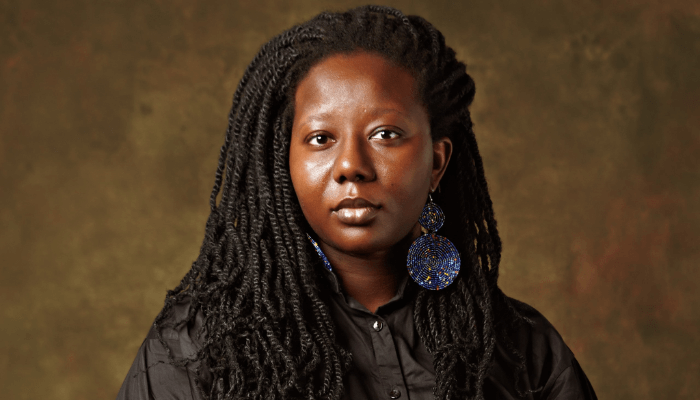
Kristin Wilson, managing partner at Innovate Africa Fund, said, “There is no shortage of ideas to solve Africa’s problems. What is missing is the discipline to test those ideas properly before scaling them. We deploy capital alongside structured experimentation, and our first year shows that when you do both together, you create ventures that are genuinely ready for follow-on investment.”

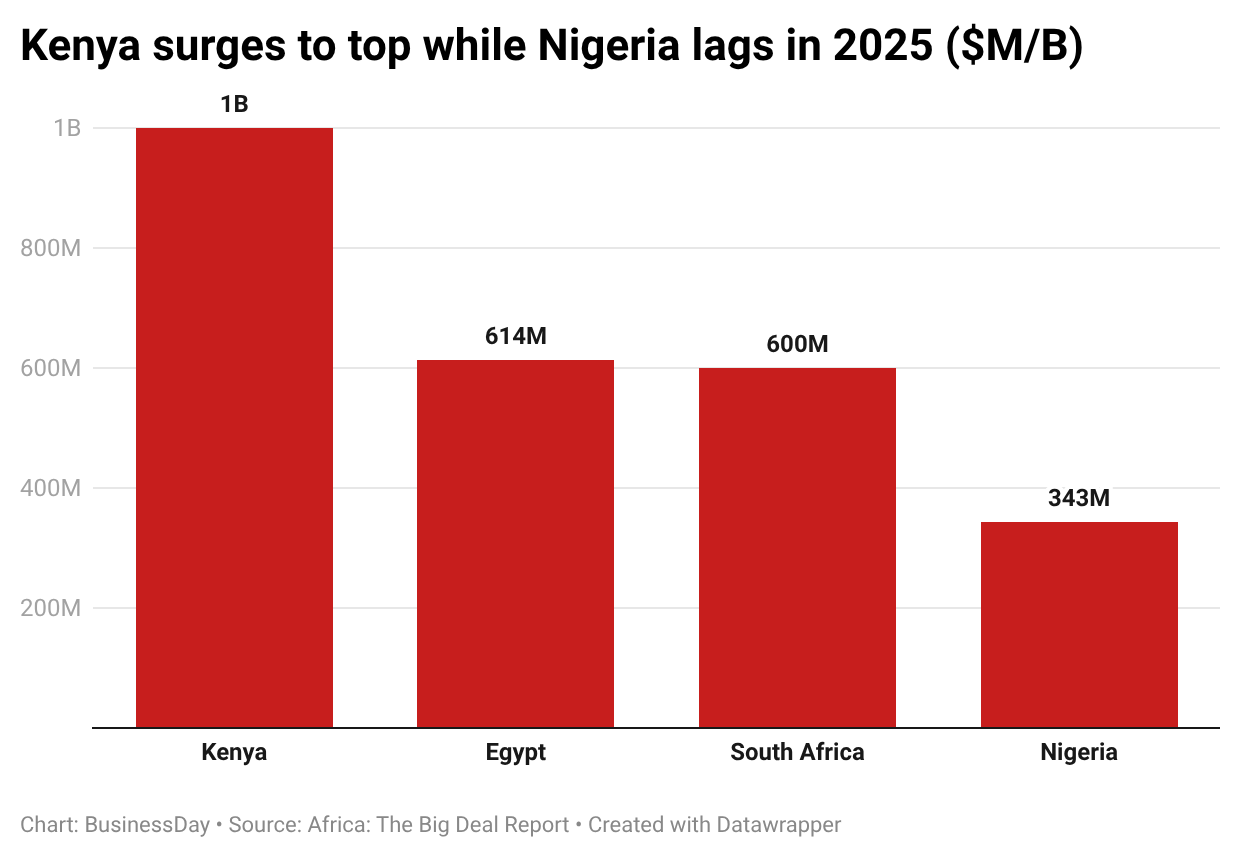
Founded to address what it sees as a critical gap in Africa’s startup ecosystem, Innovate Africa Fund focuses on founders at the concept stage, a segment that often struggles to attract funding as most capital on the continent flows to growth and late-stage companies. Despite Africa surpassing $3 billion in startup funding in 2025, according to industry trackers, idea-stage ventures remain significantly underfunded.
Read also: Crypto slides into panic as bitcoin breaks $86,000, liquidations hit $583m
Rather than pursuing high deal volumes, the fund applies a selective, founder-focused process built around six criteria, which are character, credibility, capacity, courage, competence and context, designed to identify founders capable of navigating the uncertainty of early-stage company building. Its product-first model emphasises rapid testing, structured experimentation and, where necessary, decisive pivots.
TNKR, one of the fund’s earliest investments, entered the portfolio as a content platform. Through multiple product sprints guided by the fund, the startup pivoted twice before identifying a clearer market opportunity: the lack of hands-on guidance for hardware builders across Africa. It is now developing Leonardo, an AI-powered workshop assistant aimed at addressing hard-tech skills shortages on the continent.
Oikus followed a similar path. Initially conceived as a property marketplace, fund-led research revealed that discovery was not the core challenge facing users. Instead, widespread mistrust in Nigeria’s real estate market emerged as the primary barrier. The startup has since pivoted to building verification infrastructure and is preparing a Lagos pilot to test pricing and validate its trust architecture at scale.

The fund’s third portfolio company, AddressMe, secured backing after emerging as the winner at World Product Day Lagos, Africa’s first edition of the global product leadership event, hosted by Innovate Africa Fund in partnership with the Innovate Africa Foundation.
Deal flow for the fund is supported by its in-house experimentation engine, Wicked Innovation Labs, which helps founders move from ideas to evidence before investment. The labs identified 15 high-potential problem areas across African markets in its first year and supported 10 teams through structured validation sprints, further feeding the fund’s investment pipeline.
Looking ahead, Innovate Africa Fund plans to make up to eight additional early-stage investments in the coming year, deepen its presence in key startup hubs including Egypt, Kenya and South Africa, and formalise Wicked Innovation Labs into a standalone experimental venture lab. The lab will extend access to product leadership training, innovation frameworks and mentorship beyond the fund’s immediate portfolio.
For Wilson, the early success of the fund’s first cohort reinforces the case for patient, hands-on capital at the idea stage. “When founders are given the space and structure to test what’s true about their business early, they don’t just become better at pitching, they build companies investors actually want to support,” managing partner averred.