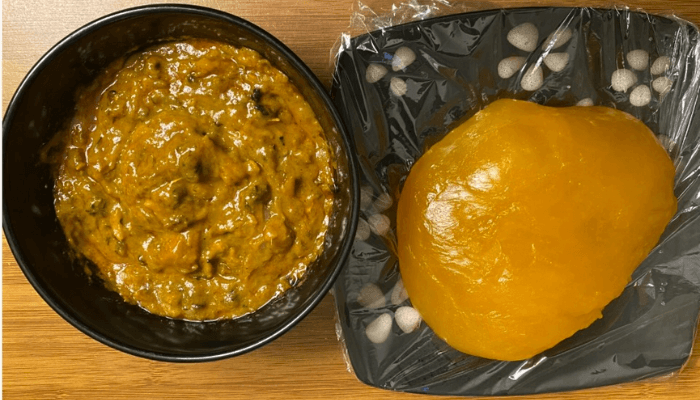
Recently, after an international communication conference I attended with a group of scholars and researchers, I met a young beautiful lady from Itshekiri. I got talking with Prudence Oghene about the unique super soup she is familiar with and she sends me something about Owo Soup, from Delta and Edo States. Thank you prudence…
Owo soup (also called Oghwo-evwri, Oghwo-amiedi, or simply known as “Owo”) is a rich, silky, palmoil based soup, native to the Urhobo, Isoko, Itsekiri, Ijaw, and many parts of Delta and Edo States. The soup, which can be very thick, or slightly thick is vibrant, silky, and deeply symbolic and stands as one of the Niger Delta’s most treasured culinary heritages.
This soup, which must not be covered at any cooking point, is famous for its unique bright red-orange colour and its slightly thickened texture from potash (locally known as kanwu/akanwu).
Bright, bold, and unmistakably rich, the Soup is more than a delicacy in the Niger Delta, it is a cultural emblem. From Urhobo to Itsekiri, Isoko to Ijaw communities, the silky palm-oil soup remains a centerpiece at home, weddings, festivals, coronations, and ancestral rites.
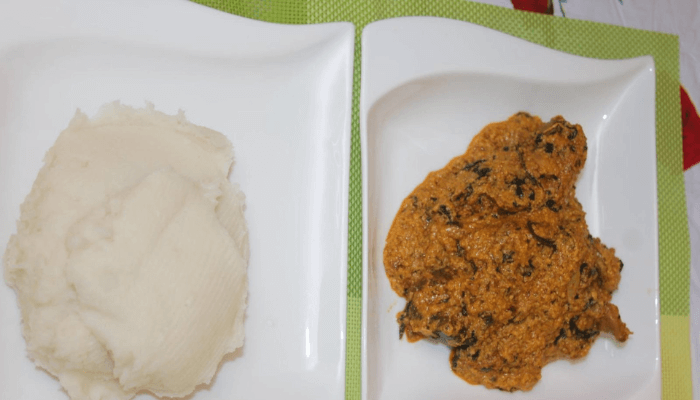
Whether served with starch, pounded yam, or garri, Owo soup remains a bowl of heritage, it is warm, vibrant, and unforgettable. For the Niger Deltans, Owo is beyond soup, it is memory, identity, and pride.

Owo soup is one of Nigeria’s oldest indigenous culinary innovations, characterized by a unique method of thickening oil without frying it. Among the Urhobo and Itsekiri, the soup carries symbolic meanings: prosperity, fertility, transformation, and communal unity.
For brides especially, serving well-prepared Owo soup is seen as a mark of respect and readiness for marriage. Thus, Owo soup is crafted using a unique method that blends palm oil with potash to create a smooth consistency.
Known as a culinary innovation, this soup is passed down through generations of women who learned by watching their mothers and grandmothers.
As Nigeria intensifies efforts to document foods for UNESCO’s Intangible Cultural Heritage list, Owo soup stands out not only for its deep-rooted cultural significance but also for its nutritional value and richness.
With vitamins A and E from palm oil, protein from assorted meat like smoked turkey, beef, chicken, snail, and goat meat, as well as omega rich seafood of fish, snails, shrimps, and other sea delights from the riverine communities, the dish offers both sustenance and symbolism.

It is however, pertinent to note that modernization is threatening this centuries-old practice. This is because many young people don’t even know how to prepare this soup. Some even prefer shortcuts or instant soups, and the authentic method is slowly fading away.
As a culinary and cultural advocate, I suggest that the soup be preserved and protected and this is the time to document its origins, and preserve its culinary identity.
With growing global interest in African food cultures, Owo soup deserves a place on UNESCO’s Intangible Cultural Heritage list. Its preparation is rooted in oral tradition, passed from mothers to daughters through observation rather than written recipes, thus, placing it firmly within UNESCO’s criteria for safeguarding traditional craftsmanship and intergenerational knowledge.
Today, efforts are underway to spotlight Nigerian dishes like Owo soup for cultural preservation and international recognition. As more storytellers, chefs, and researchers draw attention to the heritage behind the pot, one thing is clear: Owo soup is not merely a meal. It is a symbol of identity, a living memory, and a culinary treasure deserving of global appreciation.
Lets visti the kitchen and relish this soup…
Recipe for 5 servings
• 3 big dry fish
• 4 sizeable fresh fish [anyone]
• I kilogram assorted meat
• Salt and seasoning
• 1 cup fresh periwinkle
• 2 tablespoons potash
• 1 large cup of garri
• 2 cooking spoons palmoil
• 6 fresh peppers [sliced]
•
Method
• Debone the dried fish, while you clean the fresh fish with some hot water.
• Set the fish aside in a sieve and wash the meat.
• Cook the meat with salt and seasoning to taste until tender.
• Wash and add the periwinkles and snails.
• Blend and dissolve the potash in water as we get ready to prepare the soup.
• Pour water into a pot and place on a medium heat.
• Add some salt, and seasoning to the pot.
• Allow to boil for few minutes before adding the dried fish, and cooked meat, periwinkles and snails.
• Add the palmoil and stir gently, mixing the soup well.
• Add the potash and stir to ensure there is lump
• Add some of the soup on heat into a plate of cold water soaked garri.
• This is to loosen it into a very watery mixture.
• Readd the watery garri mix.
• Add the garri into the boiling soup on the fire.
• Taste and adjust the seasoning as needed.
• The soup should gradually start to thicken at this point.
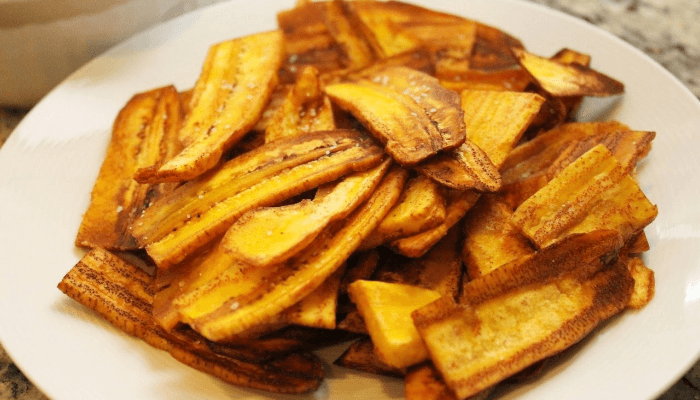
• Simmer and cover the pot Especially enjoy with starch, eba, boil or roasted yam or plantain or any swallow
• Remove from heat and serve with starch. Any other swallow is fine
Reply
Reply All
Forward
Edit as new