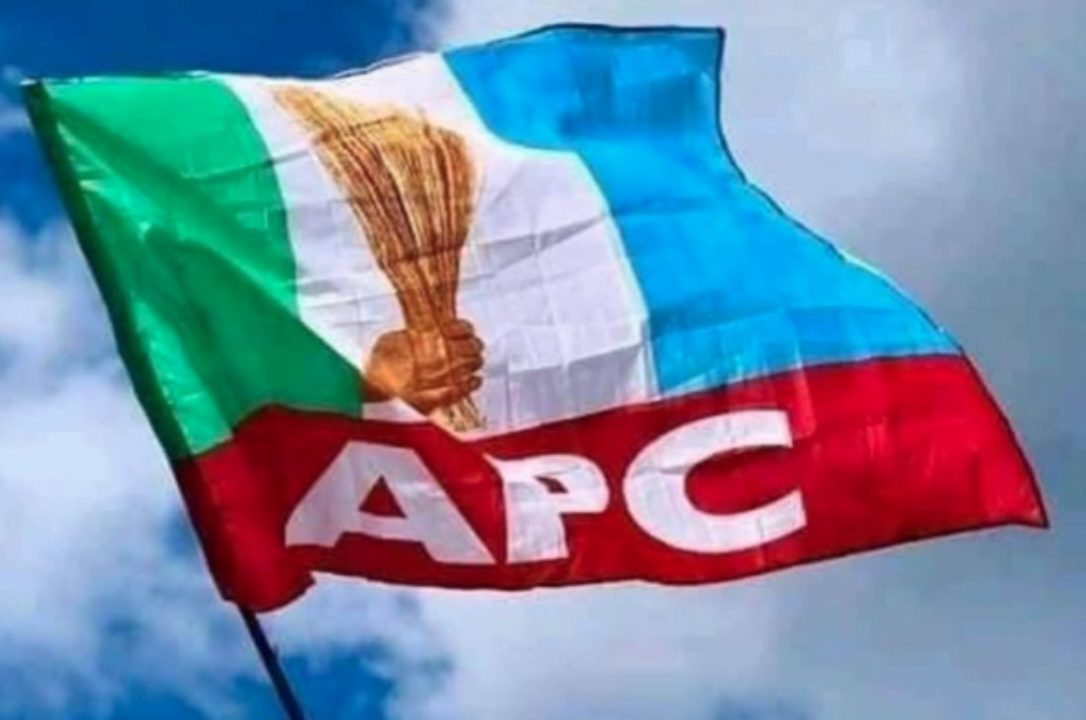
Nigeria’s political equilibrium has shifted dramatically as the All Progressives Congress (APC) tightened its grip across the country, completing a clean sweep of the entire South-South geo-political zone for the first time in the Fourth Republic.
This unprecedented consolidation covering all six oil-rich states signals a dramatic realignment of regional loyalties and gives the ruling party one of the strongest nationwide grasps any political party has enjoyed in decades.
With APC now dominant in four of the nation’s six geo-political zones and making fresh inroads into historically resistant regions, the new political map as at December 2025 reveals a Nigeria more politically uniform than at any point in recent memory.
Read also: Osun 2026: Oyebamiji accepts APC ticket, vows to tackle poverty, revive health sector

The APC’s historic sweep of the South-South- Delta, Akwa Ibom, Edo, Cross River, Rivers, and Bayelsa- marks a major break from the region’s long-standing alignment with opposition parties, especially the PDP. The takeover not only boosts the ruling party’s political capital but also strengthens its influence over Nigeria’s most strategic oil-producing corridor, solidifying control of a region crucial to federal revenue and national politics.
This shift adds to the APC’s already formidable dominance in the North-West, where it governs Katsina, Jigawa, Sokoto, Kebbi, and Kaduna, leaving only Zamfara (PDP) and Kano (NNPP) as exceptions in a zone once considered impregnable.
The North-Central follows a similar pattern, with Benue, Niger, Kwara, Nasarawa, and Kogi under APC control, while Plateau remains the lone PDP outpost, for now.
In the South-East, the APC has made significant headway, securing Enugu, Ebonyi, and Imo a notable expansion into a region where it previously faced stiff resistance. However, Abia, controlled by the Labour Party (LP), and Anambra, governed by APGA, remain outside its orbit, maintaining the South-East’s reputation for political diversity.
The South-West shows the APC retaining its historical dominance, holding Lagos, Ekiti, Ogun, and Ondo. Yet, the region remains pluralistic, with Oyo still aligned with the PDP and Osun charting its own course under the Accord Party.

The North-East presents the strongest challenge to APC consolidation. While Borno, Yobe, and Gombe remain firmly in the ruling party’s hands, the PDP controls Taraba, Adamawa, and Bauchi, illustrating the zone’s longstanding ideological mix and resistance to full unification under a single party.
Political analysts say the APC’s expanded foothold particularly the sweep of the South-South repositions the party as the most geographically entrenched political force Nigeria has seen in over two decades. The implications are far-reaching: stronger influence at the National Council of State, deeper leverage in federal appointments, and enhanced bargaining power in national policy negotiations.
Read also: Oyebamiji emerges APC candidate for Osun 2026 guber poll
As the political map stands in December 2025, the APC’s dominance appears more entrenched than ever. Yet the pockets of opposition control across the South-East, North-East, and parts of the South-West serve as reminders that Nigeria’s political terrain, while tilting heavily in one direction, still contains enough diversity to keep the contestation alive setting the stage for the next round of electoral battles.
South-South
1.Delta: APC
2.Akwa Ibom: APC
3.Edo: APC
4.Cross River: APC
5.Rivers: APC
6.Bayelsa: APC
South-East
1.Enugu: APC
2.Ebonyi: APC
3.Imo: APC
4.Abia: LP
5.Anambra: APGA
South-West
1. Lagos: APC
2.Ekiti: APC
3.Ogun: APC
4.Ondo: APC
5.Osun: Accord
North-central
1. Benue: APC
2. Niger: APC
3. Kwara: APC
4. Nasarawa: APC
5. Kogi: APC
6. Plateau: PDP
North-East
1. Borno: APC
2. Yobe: APC
3. Taraba: PDP
4. Gombe: APC
5. Adamawa: PDP
6. Bauchi: PDP
North-west
1. Katsina: APC
2. Jigawa: APC
3. Sokoto: APC
4. Kebbi: APC
5. Kaduna: APC
6. Zamfara: PDP
7. Kano: NNPP