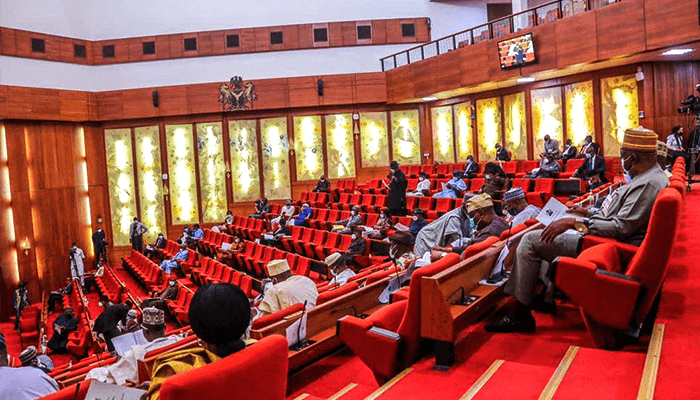
MAX, Africa’s mobility and clean energy company, has commended the Nigerian Senate for advancing a bill that proposes the gradual phase-out of petrol-powered vehicles.
In a statement, the company said the bill, which has now passed its second reading, marks a major milestone in the country’s shift toward sustainable and future-ready transportation.
The move comes at a time when Nigeria is grappling with rising fuel costs, worsening carbon emissions, and persistent urban congestion. If passed, the legislation would lay the foundation for a cleaner, healthier, and more economically inclusive mobility landscape.
For nearly ten years, MAX has been at the forefront of this transition, pioneering electric mobility in West Africa, building the continent’s largest EV ecosystem, and enabling thousands of riders to access clean-energy vehicles through flexible financing designed for local realities.

Read also: NiMet deploys EVs across major airports to drive green aviation operations
Reacting to the Senate’s latest step, Adetayo Bamiduro, co-founder and CEO of MAX, described the policy direction as both “timely” and “essential.”
“Nigeria has an opportunity to leapfrog into a green mobility future that improves public health, strengthens economic resilience, and creates millions of dignified jobs,” Bamiduro said. “We commend the Senate for advancing this bill and stand ready to support the next phase of implementation.”
Chinedu Azodoh, co-founder and president of MAX, emphasised the importance of accessibility and inclusion in Nigeria’s clean transport transition.
“The shift to clean mobility must be powered by practical solutions that work for everyday Nigerians,” Azodoh noted.

“At MAX, we’ve shown how electric vehicles, battery swapping, and innovative financing can lower costs for riders and businesses while reducing environmental impact. We look forward to collaborating with policymakers to scale this nationwide,” he added.
MAX currently operates Nigeria’s largest fleet of electric vehicles, supported by a decentralized battery-swapping network, solar-powered charging hubs, and a financing model that allows riders to acquire EVs without collateral or upfront payments.
These initiatives have helped reduce emissions, improve rider earnings, and expand economic opportunities across Nigeria, Ghana, and Cameroon.