…reaffirms investor incentives remain secure, protected
The Federal Government has reaffirmed its commitment to strengthening fiscal discipline, regulatory clarity and investor confidence as it works with organised private sector leaders and key stakeholders to ensure a seamless transition into Nigeria’s 2026 economic framework.
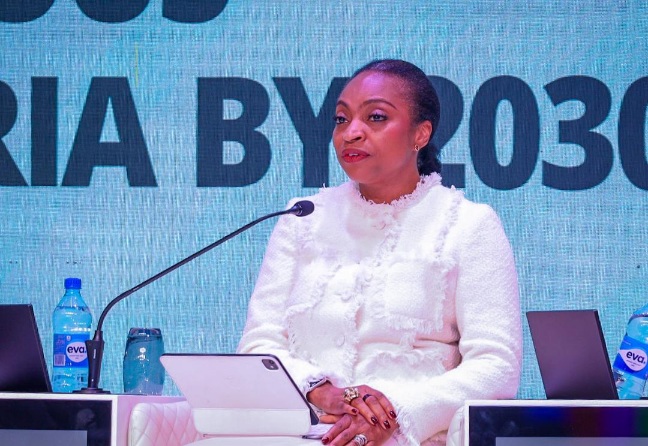
Speaking during a virtual stakeholders dialogue engagement session with business leaders, Jumoke Oduwole, Minister of Industry, Trade and Investment said the forum was convened to provide clarity on emerging fiscal reforms, foster dialogue, and prepare industries for the full rollout of Nigeria’s new tax and regulatory architecture set to take effect on January 1, 2026.
According to her, Nigeria has entered a new era of fiscal discipline, regulatory clarity and economic modernization, driven by President Tinubu’s eight-point Renewed Hope Agenda. She emphasised that modernising the nation’s fiscal structures is central to enhancing competitiveness, attracting investment, and sustaining economic growth.

Read also: AfCFTA: Our One African Market is coming to life – Oduwole
The minister noted that the dialogue was critical as private sector players begin their strategic planning for 2026, adding that the administration has prioritised a Nigeria-first, domestic-investor-focused policy stance aimed at building a predictable, transparent and business-friendly environment.
With new legislation and tax administration systems scheduled to come into force at the start of 2026, Oduwole assured that extensive guidance will be provided to help businesses adapt without disruption.
“We’re all getting out for 2026. So ensuring that come January 1st, when the new legislation, the new tax station architecture comes into force, our businesses feel ready, feel clear about what’s going to happen. So by ensuring a smooth transition, by providing the necessary guidance to businesses so that you can adjust seamlessly to the upcoming changes,
“These reforms are designed to strengthen competitiveness and create an environment where you can thrive. So today marks the start of a renewed collective push, one that recognizes that the successes of these reforms will hinge on how efficiently government, industry, investors, and the wider private sector work together,” Oduwole said.

Speaking on the Special Economic Zones, Olufemi Ogunyemi, Managing Director/Chief Executive Officer, Nigeria Export Processing Zones Authority (NEPZA), who was represented by Halima Kamba, emphasised that the consultation is timely for investors preparing their 2026 business plans.
She reiterated the government’s unwavering commitment to protecting investors and strengthening the Special Economic Zones, citing the President’s clear directive that the zones must function optimally to support Nigeria’s industrialization efforts.
She recognised investor concerns in light of ongoing fiscal reforms but encouraged an open and objective outlook, assuring that the reforms aim to stabilise the economy through improved coordination of monetary, fiscal, trade, and investment policies. NEPZA reaffirmed that investor incentives remain secure, protected, and supported by a more predictable operational environment.
Providing an overview of the new framework, Olufemi Olarinde, Head of the Fiscal and Tax Reform Implementation Division at the Federal Inland Revenue Service (FIRS) and Special Adviser on Tax Policy, outlined ongoing efforts to deliver a modern and transparent tax system.
He stated that FIRS is developing clear guidelines and circulars to help businesses understand and adapt to the new laws. He highlighted the National Revenue System (NRS) as a major step toward automating compliance, ensuring fair enforcement, and reducing manual intervention, thereby strengthening investor confidence.
He further explained the reforms affecting business expenses, the automation of credit recognition, export-oriented policies for free zones, transitional safeguards, including incentive preservation until 2038 and the creation of a unified taxpayer portal.
He added that a dedicated support desk created for MSMEs, exporters, and digital enterprises will ensure clarity, responsiveness, and ease of compliance for all classes of businesses.