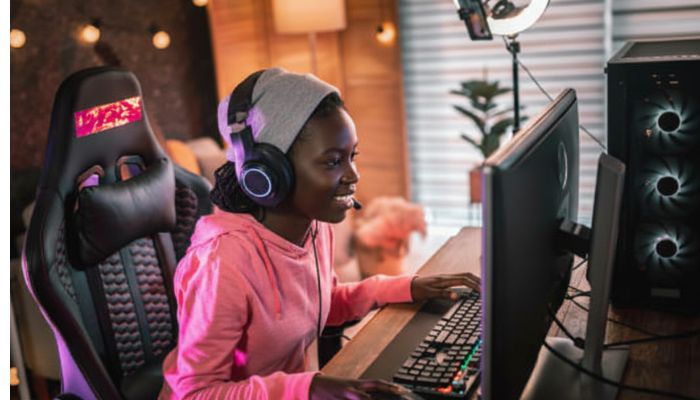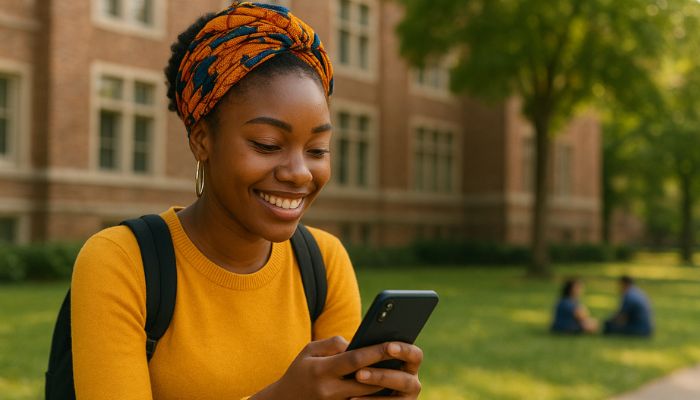
Gen Z sees social media as a strong tool for building confidence. It gives them a sense of belonging and helps them feel aligned with the trends they follow, whether in music, fashion, lifestyle, or how they show up online.
BusinessDay GenZ November 2025 poll shows that 37.5% of Gen Z say social media boosts their confidence. Another 37.5% say it builds their confidence, but also hurts it at the same time. They enjoy expressing themselves online, but the pressure to keep up often creates feelings of inferiority. The remaining 25% say social media has no real impact on their lifestyle, actions, or confidence.
Read also: For Gen Zs, work-life balance means equal focus on career and love, survey shows
This poll also shows a shift in how Gen Z thinks about posting. For half of our respondents, posting is no longer just about traffic or fun. They see it as a strategic move to build their personal brand. They believe social media offers real opportunities for growth and even economic advancement. The other 50% say their main reason for posting is the excitement that comes from likes, comments, and engagement. For them, the joy is in the interaction, not the branding.

Read also: How Gen Z is reshaping work culture from the inside out — Survey
Gen Z also shared that staying updated on trends and current issues plays a big role in their mood and personal influence. This connection keeps them happy, involved, and informed. At the same time, 37.5% say social media inspires them and teaches them new things, supporting their personal development. Another 12.5% see social media mainly as a space for entertainment and memes.
Read also: Gen Z’s Money Mindset: 71% Cling to 9-5 Jobs While Chasing Side Hustles & Investments
Understanding how social media affects Gen Z also means looking at how they feel after using it. Half of our respondents say their emotions depend on the kind of content they consume. Some content uplifts them, while other content drains them. Another 25% feel indifferent. They scroll through without attaching any emotion. The final 25% say social media often leaves them anxious or tired after long engagement.
We all agree that social media has both positive and negative sides. So when we asked, “Do you compare yourself to others on social media?” most Gen Z respondents said no. A total of 62.5% said they never compare themselves with what they see online. Another 25% said they rarely do. Only 12.5% admitted that social media influences the way they view their lifestyle.

When we asked what motivates them to cut down screen time, 62.5% said they reduce usage to avoid distractions and be more productive. Another 25% said they cut down to create time for real-life responsibilities. And the remaining 12.5% do it mainly for mental protection, to control what they consume online.
Listening to the direct voices of our respondents was important for understanding how social media truly shapes their self-view. When asked how social media has shaped the way they see themselves, their answers reflected a wide range of experiences.
The voices of our respondents reveal a diverse range of experiences. One person shared that social media keeps them “informed 360,” making them feel more aware and connected to the world around them. Another said it has no effect at all—they see it as just a platform with no power over their identity. Others explained that managing their feed helps them stay grounded, allowing them to see only what they choose to see. Some feel that much of social media is “make-believe,” so they don’t let it shape them. And one respondent admitted that yes, social media influences them in subtle ways, even when they try to stay detached.
What’s one change you wish social media platforms made to protect users’ mental health? The responses highlight a strong desire for safer, more controlled online spaces. One person wishes endless video streams were limited to only what they subscribe to, especially to avoid violent content. Another wants better time-limit features to control over-exposure. Someone else believes platforms should focus more on stopping the spread of fake news. Another respondent simply wants stronger data privacy protections. Altogether, their voices call for platforms that protect both the mind and the information of their users.
Share a moment where social media either boosted your confidence or made you doubt yourself
Many respondents shared honest reflections about how confidence and doubt are shaped by the online world. Some said social media does not affect them at all because they don’t take it seriously or engage emotionally with what they see. Others explained that seeing peers achieve extraordinary things sometimes makes them doubt themselves or question their progress. One respondent said they rely on social media for research before trying new things, which boosts their confidence rather than weakens it. These voices show that social media can either push or pull depending on how each person interacts with it.