Nigeria, often called The Giant of Africa for its population, resources and vibrant culture, is also home to some of the continent’s most stunning cities.
From tropical coastlines to historic landmarks, Nigeria’s diverse urban centres showcase rich heritage, natural beauty and cultural depth that continue to define the nation’s story.
According to World Atlas, the following six cities reflect this mix through their geography, planning choices and community life.
Read also: Lagos ranks among top 10 most attractive cities from the sky

Abuja
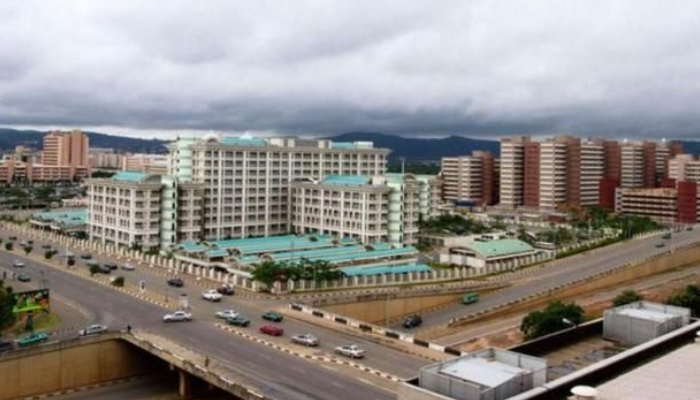
Abuja emerged from a national decision in the late 1970s to create a new administrative centre. The planning process drew on global examples such as Washington DC and Brasilia. Its inland position placed it at the centre of the country, leading to its description as “The Center of Unity.”
The city sits within the Chukuku Hills at about 360 metres above sea level. This terrain shapes the views around the city. The Abuja National Mosque, with its distinct domes and towers, is one of the country’s most recognised structures. Nearby, Zuma Rock stands at about 980 feet and appears on the 100-naira note. Many visitors approach it for hiking or for viewing sessions from surrounding routes.
Read also: 10 wealthiest cities in Africa with the most millionaires
Lagos
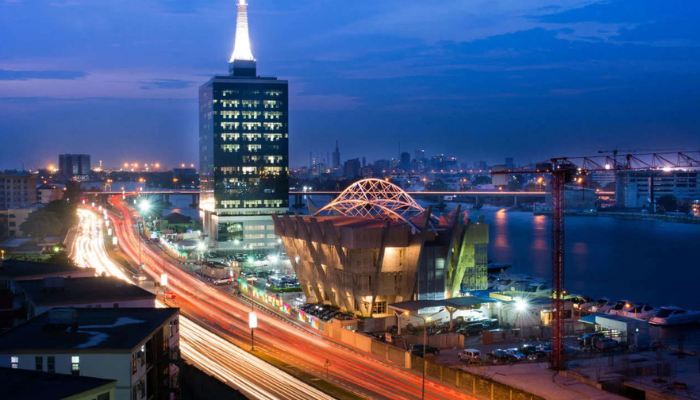

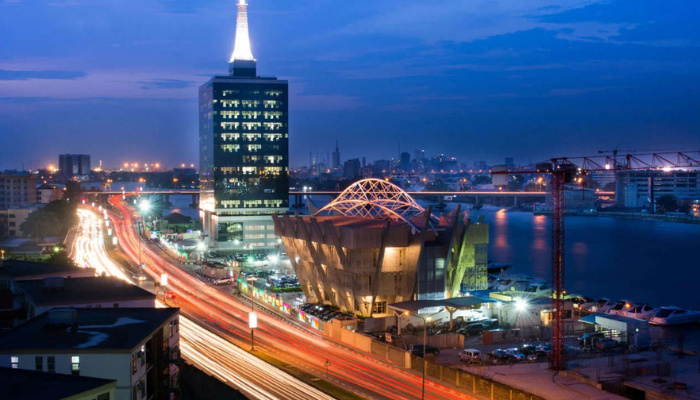
Lagos remains Nigeria’s largest urban area despite the formal capital shifting to Abuja in 1991. It is known for its markets, film activities and large communities. The city includes landmarks such as the National Arts Theatre, the Nigerian National Museum, and the Nike Art Gallery.
Lagos spans the Lagos Lagoon and stretches to the Atlantic coastline. Routes such as the Third Mainland Bridge and the Eko Bridge link the mainland and islands. Beaches including Tarkwa Bay Beach, Bar Beach and Landmark Beach attract steady numbers of visitors. These sites show the range of experiences across the city’s waterways and shores.
Enugu
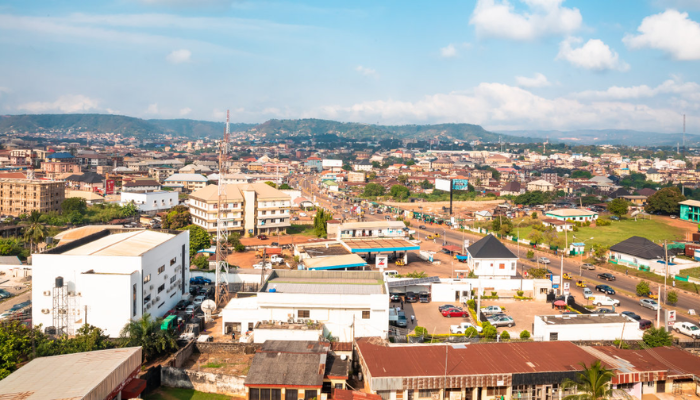
Enugu sits on the Udi Plateau in the south-east. Its terrain includes slopes, forests and viewing points. Milliken Hills is one of the city’s known hiking routes, offering broad views of the surrounding area. Close by, the Ngwo Pine Forest includes pine trails, caves and a waterfall at the base of one of the caverns.
About an hour outside the city lies the Ezeagu Tourist Complex. The area covers 54 acres and includes a lake, cave routes and the Ogbagada waterfall. Its natural features draw both residents and visitors seeking outdoor experiences.
Read also: Top 10 favourite cities in Africa and the Middle East of 2024
Akure
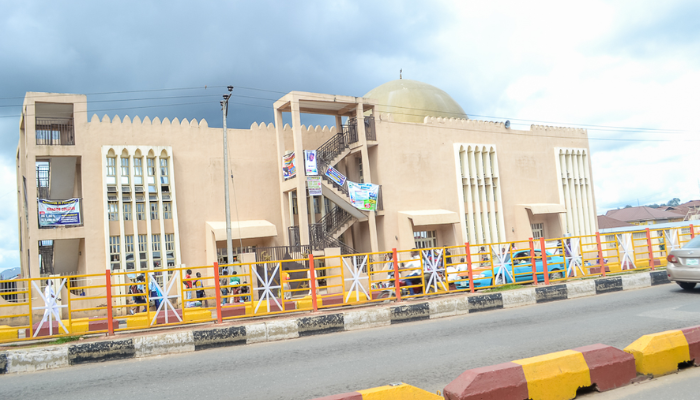
Akure is a state capital known for its farming links, reflected in the meaning of its name from the Yoruba words “Oko” (farm) and “Ore” (settlement). The city sits at the edge of the Yoruba Hills, a region with forested zones that support the area’s agricultural activities.
Travellers often visit Akure due to its closeness to Idanre Hill. The site, reached by a drive of about 45 minutes, contains inselbergs rising roughly 3,000 feet. The marked 682-step path leads to viewing points that show the layout of the surrounding landscape.
Port Harcourt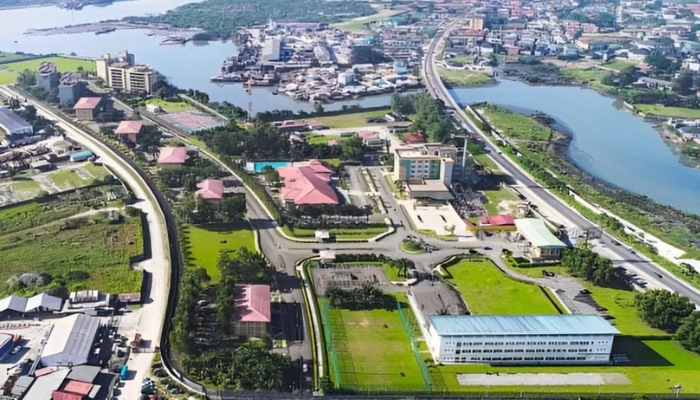
Port Harcourt, often called the “Garden City,” lies on a curve of the Bonny River, which links to the Niger River system. Its waterways support port activities, fishing and farming. Produce such as banana, coconut and citrus remains central to the region’s economy.
The city hosts locations such as the Port Harcourt Tourist Beach, established in 1988, which offers controlled waterfront access. Another option is Ifoko Beach, bordered by forest areas and known for its natural setting. These sites attract families, groups and visitors interested in riverside or seaside outings.
Read also: 5 most sustainable cities in Africa
Benin City
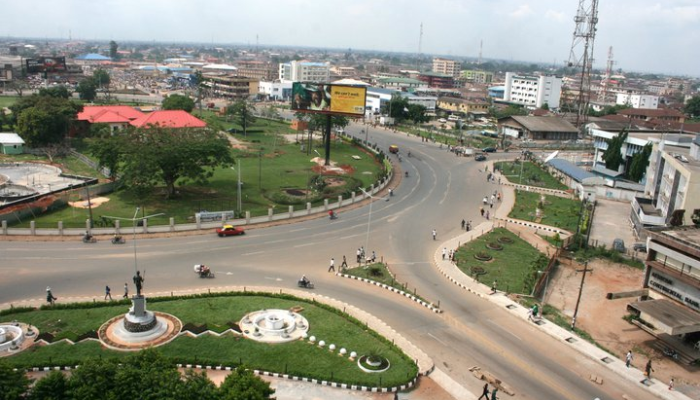
Benin City stands along a branch of the Benin River. Many people visit to explore the history of the former Kingdom of Benin. The Benin Moats, a series of earthworks around the city, remain one of the world’s largest historic defensive structures.
Within the city, the Benin City National Museum displays artefacts from the Benin Empire and other regions. One of the major attractions is its collection of “bronzes,” some of which date back centuries. Visitors also observe contemporary bronze workers along Ignun Street, where artisans continue the craft.