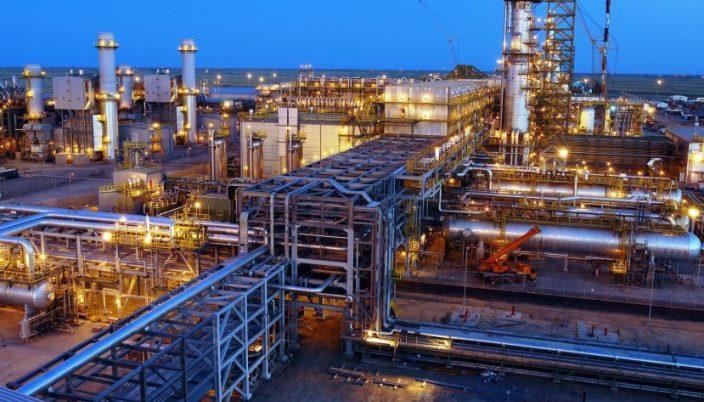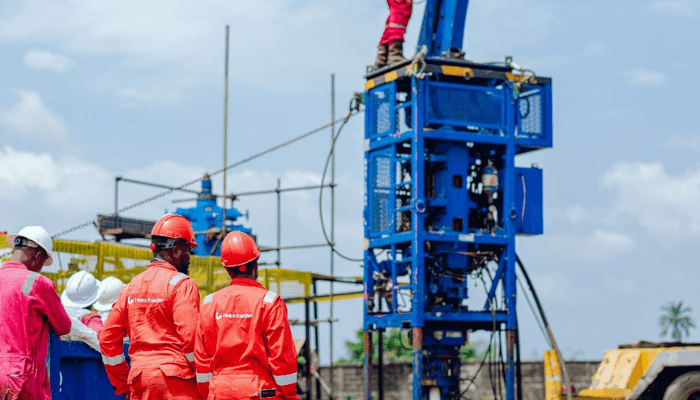
Nigeria’s push to deepen domestic gas supply received a major lift after the NNPC/Heirs Energies OML 17 Joint Venture completed the country’s first-ever rigless recompletion of a non-associated gas well—an intervention that has doubled output to a peak of 135 million standard cubic feet per day (MMscf/d).
The breakthrough, achieved on the OML 17 asset in the eastern Niger Delta, marks a significant technical milestone for Nigeria’s upstream sector, demonstrating the potential of low-cost, high-impact innovations to unlock stranded reserves.
The output boost is already reshaping electricity generation across the eastern power grid, easing chronic shortages that have hampered businesses and households for years.
Power generation surge

The additional gas supply has triggered a dramatic rise in generation capacity. Transcorp PLC’s TransAfam Power plant quadrupled output, climbing from about 50 megawatts to more than 180MW, with peak generation at 200MW. Other plants on the network, including First Independent Power Limited (FIPL) and Geometric Power, have also recorded more stable operations and higher output.
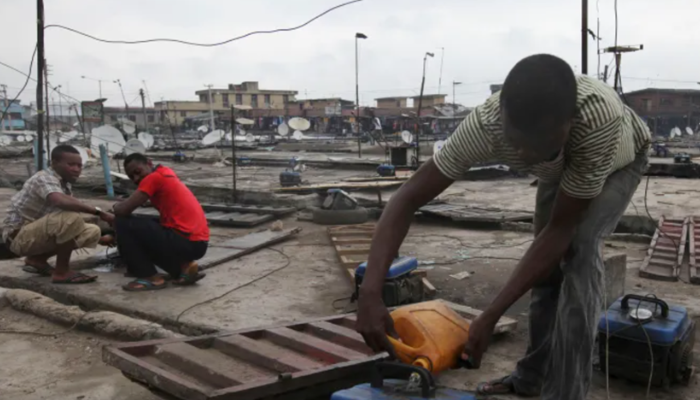
Combined generation from plants receiving gas from the JV has risen from roughly 100MW to over 350MW—electricity sufficient to power hundreds of thousands of homes and businesses. The supply jump is expected to support hospitals, schools, industrial facilities, and small businesses that often rely on diesel generators due to grid instability.
Read also: French envoy hails new Alliance Française centre in Kano as boost to cultural ties
High-Level Recognition
The technical achievement has drawn commendation from senior government officials. Olu Verheijen, special adviser to the President on Energy, praised the milestone in a letter to Heirs Energies CEO Osa Igiehon.

“I congratulate the entire Heirs Energies team on this remarkable achievement, which is a testament to the strength of Nigerian engineering expertise and the value of persistent technical innovation,” she wrote, adding that the presidency remains supportive of the company’s broader expansion plans in oil and gas.
Low-Cost Innovation, High Impact
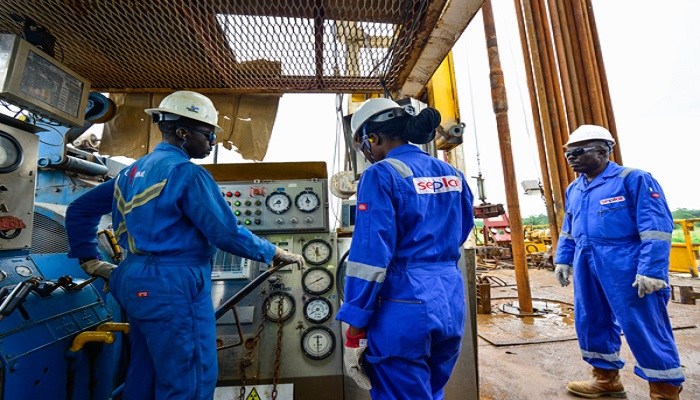
The well at the center of the success had long been shut due to excessive water production. Rather than drilling a new well or deploying a conventional workover rig, Heirs Energies opted for a rigless through-tubing recompletion—targeting an untapped reservoir interval. The intervention was delivered safely, in record time, and at just 15 percent of the cost of drilling a new well.
Industry leaders say the project sets a new benchmark for Nigeria’s upstream sector.
Udy Ntia, executive vice president, upstream at NNPC Ltd, said the effort “demonstrates NNPC’s strong commitment to unlocking the nation’s gas resources in support of national development,” adding that the partnership embodies the benefits of disciplined execution and innovation.
Seyi Omotowa, chief upstream investment officer at NUIMS, described the operation as “a model for the type of innovative solutions required to optimise Nigeria’s hydrocarbon assets.”
Heirs Energies CEO Osa Igiehon said the milestone underscores the company’s strength in managing mature fields.
“The ingenuity, thoroughness, and resilience of our 100 percent Nigerian workforce made this possible,” he said. “We remain committed to supporting Nigeria’s gas-to-power agenda through innovation-led, responsible, and performance-driven upstream operations.”