Nitin and Chetan Sandesara once commanded a sprawling business empire in India, their Sterling Group spanning pharmaceuticals to energy with revenues that placed them among the country’s notable industrialists.
Today, they control what reports describe as one of Nigeria’s largest independent oil companies, their past lives as accused fraudsters seemingly worlds away from their current status as significant contributors to Africa’s biggest economy.
The transformation is stark. In India, the brothers are wanted fugitives, accused of orchestrating one of the nation’s largest banking frauds.
In Nigeria, they’ve become major players in the oil sector, their company contributing approximately 2.5 percent of federal revenue under President Bola Tinubu’s administration. This week, India’s Supreme Court moved to potentially resolve the years-long standoff, agreeing to drop criminal charges if the brothers pay roughly $570 million, about a third of what authorities claim they owe.

The settlement represents an unusual resolution to a case that has embarrassed Indian authorities and raised questions about how alleged financial criminals can reinvent themselves abroad.
For the Sandesara brothers, it could mean the end of a legal saga that began with midnight raids and concluded with them building an oil empire thousands of miles from home.
The rise of Sterling Group
The Sandesara brothers built their reputation in Gujarat, India’s westernmost state, known for producing business magnates. Their flagship venture, Sterling Biotech, became a major manufacturer of pharmaceutical-grade gelatin, the protein derived from animal collagen used in everything from capsules to cosmetics.
The company’s success allowed the brothers to diversify aggressively, expanding into energy and other sectors under the Sterling Group umbrella.
By the mid-2010s, the conglomerate appeared formidable, with operations across multiple industries and access to substantial credit from Indian banks. The brothers cultivated relationships with financial institutions, particularly Andhra Bank, which would later emerge as the lead lender in the consortium they allegedly defrauded.

Behind the facade of success, however, investigators claim a different story was unfolding. According to the Central Bureau of Investigation, the brothers were systematically obtaining fraudulent credit facilities, building a mountain of debt they never intended to repay.
The allegations and escape
The case unravelled in 2017 when the CBI filed charges accusing Sterling Biotech of defrauding government banks of more than 5,000 crore rupees, approximately $1.6 billion at the time.
Authorities alleged the brothers had obtained loans through misrepresentation and diverted funds, leaving banks holding non-performing assets as the company’s financial situation deteriorated.
The Enforcement Directorate, India’s financial crimes agency, launched a parallel money laundering investigation. Properties worth thousands of crores were attached, and several associates, including a former director of Andhra Bank, found themselves under arrest. But the Sandesara brothers themselves had vanished.
Reports later revealed they had fled India using Albanian passports, a detail that raised uncomfortable questions about how high-profile businessmen under investigation managed to leave the country undetected. The CBI admitted it had no information about their whereabouts, a confession that drew criticism given the scale of the alleged fraud and the brothers’ prominence.
Read also: Indian brothers hunted at home, loved in Nigeria, seal $570m court settlement
Reinvention in Nigeria
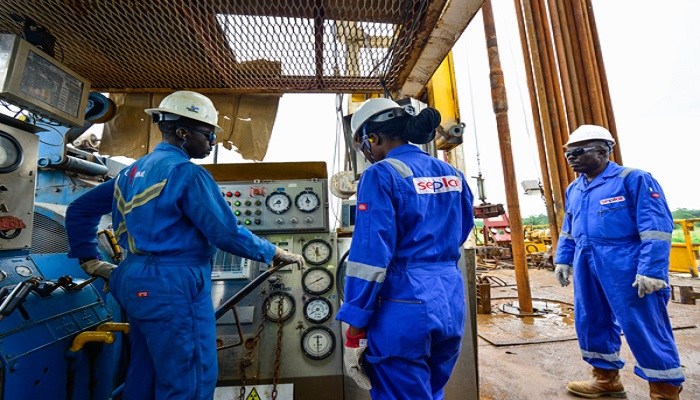
The brothers resurfaced in Lagos, Nigeria’s commercial capital and the beating heart of West African commerce. There, they established Sterling Oil Exploration and Energy Production, leveraging their business acumen and, presumably, significant capital to enter one of the continent’s most competitive industries.
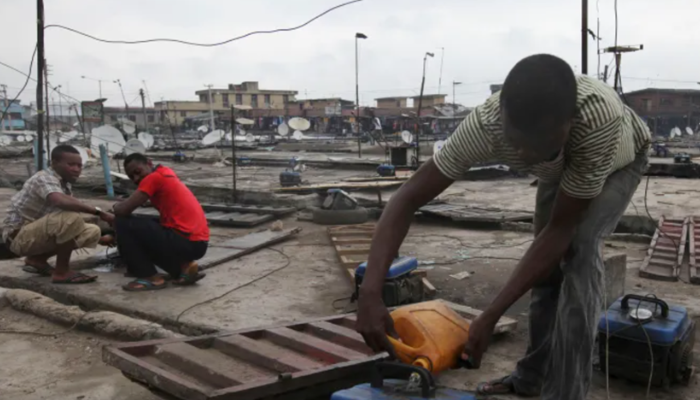
Nigeria, Africa’s largest oil producer, offered opportunities that India no longer could. The country’s oil sector, while dominated by international majors and the state-owned Nigerian National Petroleum Corporation, has space for independent operators willing to navigate its complex regulatory environment and security challenges.
According to reports from 2023, the Sandesara brothers succeeded beyond what many fugitives might dream possible. Their company grew into what has been described as Nigeria’s largest independent oil operation, contributing measurably to federal revenues. The brothers reportedly applied for Nigerian citizenship at some point during their years abroad, suggesting they viewed their relocation as permanent rather than temporary exile.
The warm reception stands in sharp contrast to their status in India. While Indian authorities issued red corner notices through Interpol and froze assets, the brothers appeared to enjoy a different reputation in Nigeria, operating openly and building relationships with government officials under President Tinubu’s administration.
The Settlement
The Supreme Court’s conditional agreement to drop charges marks a potential endpoint to the legal chase. The brothers, through their lawyer Mukul Rohatgi, agreed to pay $570 million by December 17. The sum represents roughly a third of what investigators claim was fraudulently obtained, though the brothers have consistently denied wrongdoing.
The settlement has drawn attention because it could establish a precedent for other accused offenders seeking similar arrangements. Critics argue it allows wealthy defendants to effectively purchase their way out of criminal liability, while supporters contend it ensures some recovery for defrauded banks and closes a case that had dragged on for years with limited prospects of forcing the brothers’ return.
For the Sandesara brothers, the deal offers something perhaps more valuable than money: closure. Whether they’ll return to India or continue their Nigerian operations remains unclear, but the shadow of criminal prosecution would finally lift, allowing them to operate without the constant threat of extradition proceedings or diplomatic pressure.