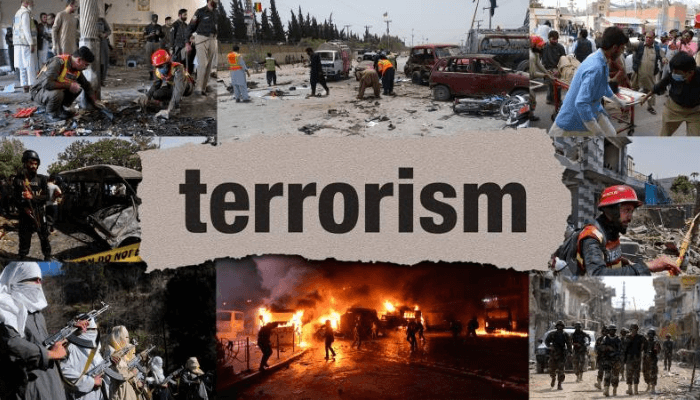
For over fifteen years, Nigeria has been trapped in a relentless cycle of terror. Yet instead of confronting the machinery that sustains it, our national energy remains fixated on the same questions: Who brought the terrorists? From where? What is their religion or state of origin? These enquiries may be necessary, but they are no longer sufficient.
Knowledge without decisive action has only deepened the violence. The enemy does not pause for our debates; it exploits delay, division, and political finger-pointing to entrench fear and destruction. Our adversary is not a tribe or faith; it is the ecosystem of terror that thrives on weak governance, porous borders, corrupt procurement channels, and operational complacency.
Still, we respond with reactive grief and ad hoc counterattacks that briefly soothe public outrage before the next tragedy strikes. A nation at war cannot continue to behave as if it has all the time in the world.
Read also: When crime becomes a business model: Why kidnapping thrives in Nigeria

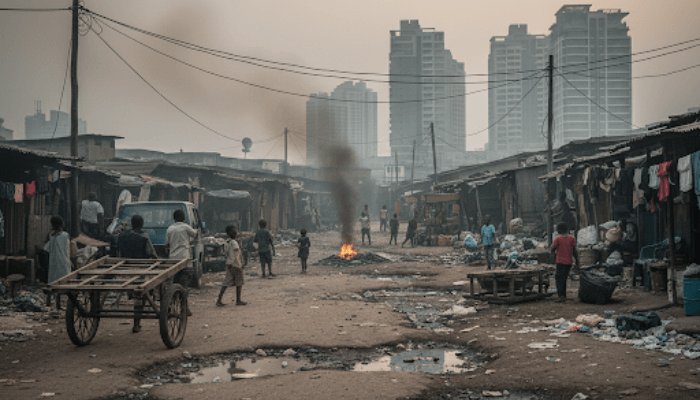
Nigeria’s greatest danger today is not the terrorists themselves but the staggering normalisation of terror. Thousands have been killed, millions displaced, and entire communities erased from the map, yet the country discusses insecurity with the emotional distance of a routine weather report. Banditry has evolved into a commercial enterprise; kidnapping is now a multi-billion-naira industry; and terror groups, Boko Haram, ISWAP, and their splinter factions, have matured into armed economies with supply chains, financiers, and political protectors. Meanwhile, government responses fluctuate between promises, panels, and press statements, none of which degrade the enemy’s capability or disrupt their infrastructure.
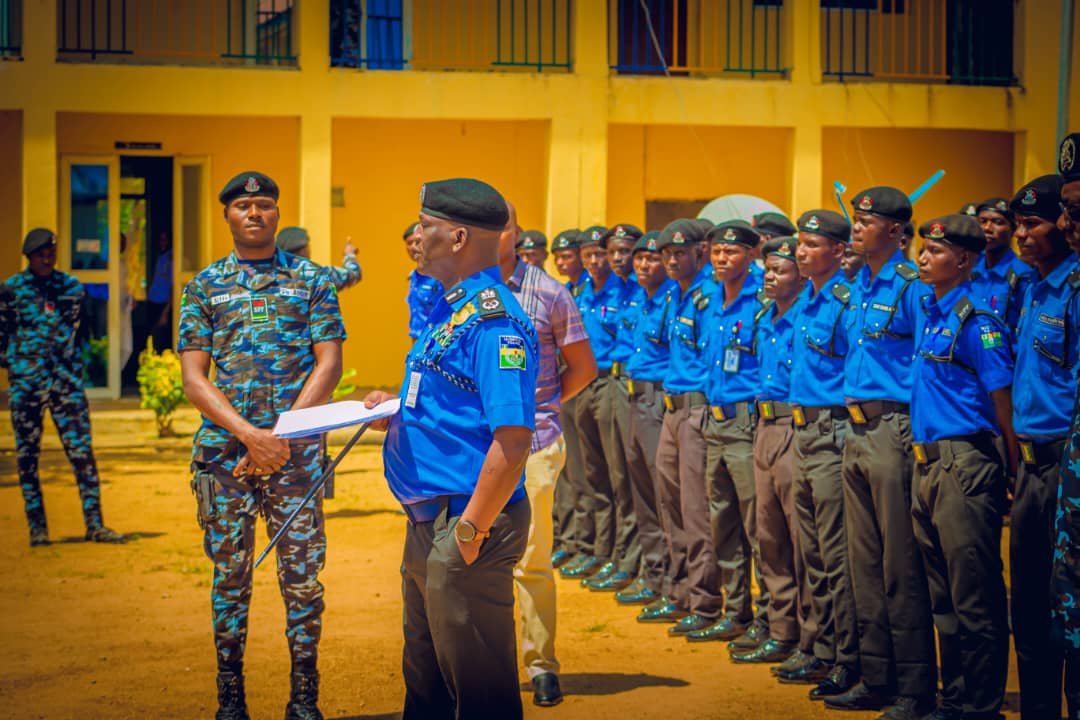
The uncomfortable truth is that Nigeria is fighting a 21st-century war with 20th-century tools. Terrorists leverage speed, intelligence, mobility, and digital communication, while state forces remain burdened by outdated doctrines and fractured command systems. Field operatives routinely complain of insufficient equipment, delayed intelligence sharing, and political interference. The result is predictable: terrorists move faster, strike harder, and adapt quicker than the institutions meant to defeat them.
To change the path, Nigeria must first overhaul the incentives that allow terrorism to flourish. Porous borders still enable arms trafficking and fighter movement across Niger, Chad, and Cameroon. Corruption within security procurement diverts billions into private pockets while frontline officers remain under-equipped. Intelligence agencies work in silos, hoarding information rather than integrating it into a real-time national fusion system. Until these structural failures are confronted, new military operations will simply recycle old outcomes.
Second, the country needs a complete strategic reset driven by political courage. Terrorism cannot be defeated by rotating service chiefs, recycling task forces, or renaming operations. It requires a wartime central command, a single coordinating authority empowered to unify intelligence, technology, logistics, and field operations. Countries that successfully degraded insurgencies, Colombia, Sri Lanka, the Philippines, did so by aligning political will with military discipline and by insulating the war strategy from partisan cycles. Nigeria must do the same.
Third, technology must replace guesswork. Drone surveillance, satellite mapping, geofencing, biometric tracking, and AI-assisted intelligence analysis are no longer luxuries; they are the backbone of modern counterterrorism. Yet Nigeria spends billions on security annually without investing meaningfully in the tools that actually change battlefield dynamics. As long as terrorists can coordinate attacks with encrypted communication while security operatives still rely on late reports and manual patrols, the outcome will remain unchanged.

Read also: Terrorism in Africa, a ‘growing global threat’ – UN chief
Fourth, Nigeria must break the financial backbone of terror. Every attack, every abduction, every bomb has a financier. Current laws on terror financing remain weakly enforced. Banks rarely flag suspicious transactions; mobile money platforms are exploited for ransom flows; and informal negotiators, some legitimate, many criminal, operate without regulation. The state must pursue financial intelligence with the same aggression applied to physical operations.
Finally, Nigerians themselves must confront an uncomfortable responsibility: this war cannot be won if citizens normalise terror or politicise security. Communities must strengthen local intelligence networks, report suspicious activity, and resist the temptation to frame national security through ethnic or partisan lenses. Terrorists thrive when society is fractured. They lose when the nation acts as one.
Nigeria still has the capacity to win this war, but victory will not come from rhetoric, committees, or condemnation. It will come from a decisive shift, from lamentation to strategy, from reaction to prevention, from scattered operations to unified command. Those in authority have the tools and responsibility to protect lives, defend the Constitution, and restore national stability. What the country lacks is the political will to treat the war as a war.
The time for half-measures is over. Nigeria cannot defeat an enemy it continues to underestimate.