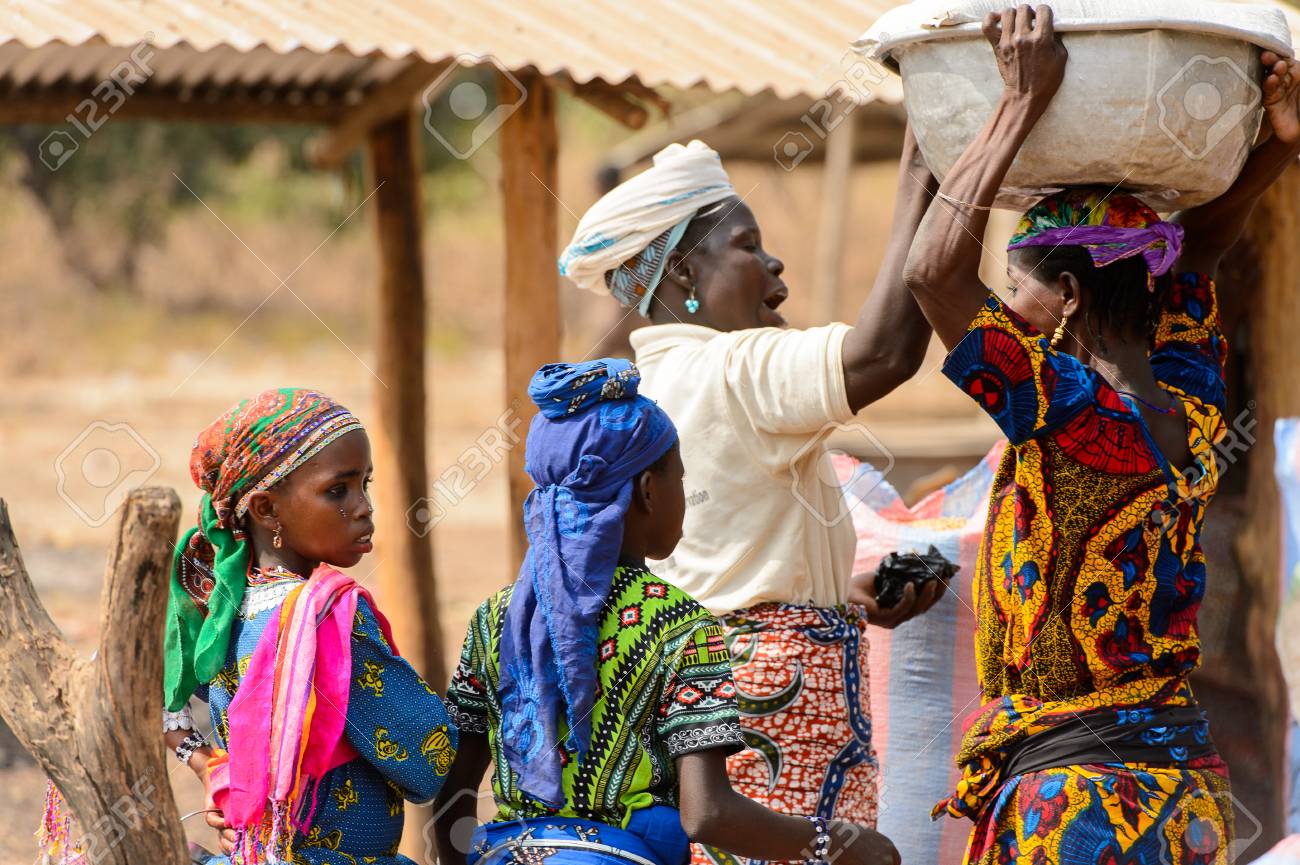
Philanthropy across Africa is evolving — becoming more strategic, data-driven, and locally focused. Foundations supporting women are moving beyond short-term aid to address systemic issues in education, economic empowerment, leadership, and legal rights.
By tackling social and economic challenges head-on, these organisations fill critical gaps in training, advocacy, and community development, ensuring women and girls have access to the resources and opportunities they need to thrive.
Some are global actors expanding their footprint, while others are African-led institutions redefining effective support. Together, they exemplify a shift towards collaboration, measurable impact, and sustainable change in women’s social and economic advancement.
Bill & Melinda Gates Foundation
The Bill & Melinda Gates Foundation supports women’s empowerment in Africa by investing in health, education, and economic opportunities. Through initiatives targeting maternal and reproductive health, girls’ education, and access to financial resources, the foundation seeks to address systemic barriers that limit women’s participation in social and economic life.

Its collaborative approach with local NGOs, governments, and global partners ensures programmes are contextually relevant and sustainable. By leveraging data-driven strategies and large-scale funding, the foundation helps women and girls access essential services, develop leadership skills, and participate fully in community and economic development across the continent.
African Women’s Development Fund (AWDF)
The African Women’s Development Fund (AWDF) is a pan-African grant-making foundation that supports the realisation of women’s rights across the continent. Based in Ghana, it provides financial and institutional support to women-led organisations addressing issues such as gender-based violence, economic justice, and political participation.
By funding autonomous local groups, AWDF ensures that change is driven from within communities rather than imposed from outside. Its grassroots approach has made it a cornerstone of Africa’s gender-equality movement, strengthening networks of women shaping social and political progress across the continent.
Read Also: Assessing credit: Risks assessment still crucial part of lending decisions
Maser Foundation
The Maser Foundation, the philanthropic arm of the wider Maser Group, operates across education, healthcare, and women’s empowerment in Africa. Rooted in the belief of “capital with conscience,” the foundation works with public institutions and community organisations to support programmes in digital learning, preventive healthcare, and women-led enterprise.

Its empowerment initiatives provide skills training, mentorship, and financial support for small businesses. The model emphasises strengthening local systems and capacities rather than offering short-term aid. Led by entrepreneur Prateek Suri, the foundation’s approach has placed it at the centre of discussions on development and capacity building, with strategic partnerships across multiple African governments.
Cherie Blair Foundation for Women
The Cherie Blair Foundation for Women supports female entrepreneurs in low- and middle-income countries through mentoring, business-skills training, and digital tools such as the HerVenture app. Operating across Nigeria, Kenya, South Africa, and other African nations, the foundation empowers women to start and scale businesses, overcome market-access challenges, and shape local economic ecosystems.
Its strategy integrates advocacy and policy engagement, ensuring women entrepreneurs are represented in decision-making spaces and connected to wider support networks.
Women Empowerment and Legal Aid (WELA)
WELA is a Nigerian organisation offering legal support and vocational training to women and children. Its dual focus on legal advocacy and economic empowerment addresses the structural barriers women face in accessing rights and livelihoods.
Founded by Mrs Funmi Falana, a Senior Advocate of Nigeria and renowned women’s rights lawyer, WELA’s programmes include legal counselling, workshops on business and financial literacy, and mentorship for women entrepreneurs. These initiatives aim to strengthen agency and independence among marginalised women in Nigeria.
Women Africa
Founded in 2016, Women Africa promotes the participation of women and girls in leadership, works to end sexual and gender-based violence, and advocates for gender-responsive policies. The organisation tackles persistent inequalities such as pay gaps, limited career advancement, and under-representation in decision-making spaces.
By mentoring emerging leaders and engaging communities, Women Africa amplifies women’s voices in governance and economic development, helping to build a more inclusive and balanced leadership landscape across the continent.
Malala Fund
The Malala Fund works globally to ensure girls can access and complete secondary education, particularly in regions where gender discrimination and lack of investment restrict opportunities. It advocates for governments to increase education funding, improve school infrastructure, and protect girls’ education during crises.
Through its Education Champion Network, the fund supports local organisations led by girls or young women to address barriers within their communities. Its work spans Nigeria, Pakistan, Afghanistan, Brazil, Ethiopia, and Tanzania — combining advocacy, grants, and rapid-response programmes to keep girls learning and empowered.
Grameen Foundation
Grameen Foundation works with women in rural African communities through digital financial services, agricultural innovation, and health-financing initiatives. Its programmes aim to integrate women into economic systems, improve financial inclusion, and enhance resilience in livelihoods.
By combining technology, training, and community-based interventions, the foundation strengthens women’s ability to generate income, access resources, and participate fully in local economies.