…as ECOWAS region eyes a single operational grid
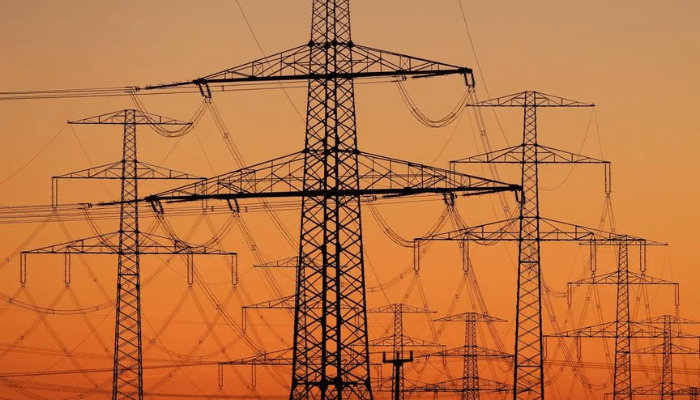
The Nigerian Independent System Operator (NISO), in collaboration with the West African Power Pool Information and Coordination Centre (WAPP-ICC), has announced the completion of synchronisation test between the Nigerian power grid which includes Niger Republic and parts of Benin and Togo and the rest of the West African power grid.
The test according to a statement issued by NISO was conducted on Saturday, 8th November 2025, between 05:04 hours and 09:04 hours. This test, for the operator marks a major breakthrough in the ongoing effort to establish a unified West African electricity grid operating at a single frequency.
The WAPP initiative aims to achieve operational unification of the regional grid, improve system reliability through shared reserves, enable cost-effective power generation and trading under the West African Electricity Market (WAEM), and strengthen institutional cooperation among member system operators.

According to the statement that was co signed by Abdu Bello Mohammed, managing director of NISO and Adesegun Akin-Olugbade, Chairman, Board of Director, the Operator explained that although several synchronisation arrangements had been proposed in the past, the only known physical synchronisation attempt took place in 2007 and lasted for about seven minutes before being discontinued.
“Following renewed engagements and enhanced coordination between NISO and the WAPP-ICC, the exercise has now been successfully accomplished through improved system monitoring, stricter frequency control, harmonised operational standards, and real-time communication among participating
control centres.
“The synchronisation connects Area 1 (Nigeria, Niger, and parts of Benin and Togo) with Areas 2 and 3 (the rest of West Africa), creating a single operational grid that enhances reliability, stability, and cross-border energy exchange across the ECOWAS region,” part of the statement read.
Read also: Power generation drops to 3,200MW over PENGASSAN strike – NISO
It also noted that for Nigeria, the test synchronisation provides multiple benefits, including unlocking stranded generation capacity, enabling energy exports and foreign exchange earnings, improving grid resilience, and reinforcing the country’s leadership role in regional energy integration.

“It also opens access to donor funding for priority transmission projects such as the North Core Project in Birnin Kebbi and the Ajegunle 330 kV Substation in Lagos State.
“The successful synchronization marks a historic milestone in regional energy
cooperation and demonstrates NISO’s technical capacity to manage complex grid operations in line with international standards,” it added.