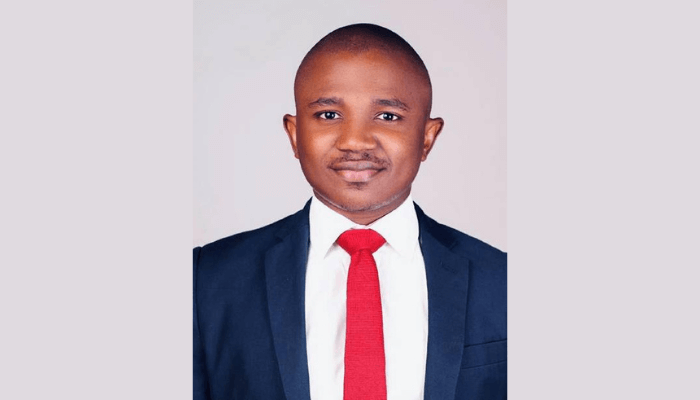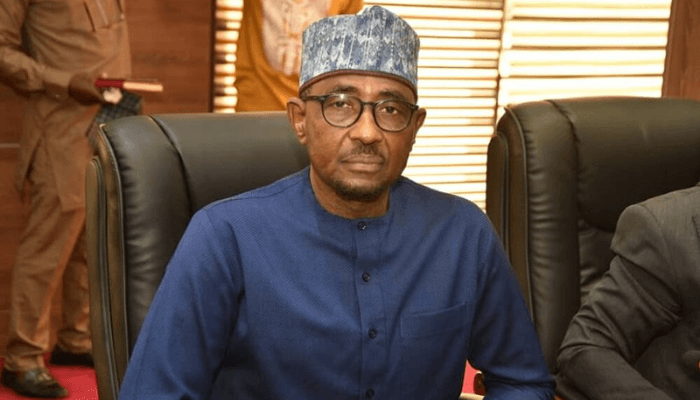
Farouk Ahmed, chief executive officer of the Nigerian Midstream and Downstream Petroleum Regulatory Authority (NMDPRA), has expressed concern over Nigeria’s slow progress in developing compressed natural gas (CNG) infrastructure, noting that the country currently has fewer than 50 operational compression stations nationwide.
Ahmed raised the concern while addressing participants at the just-concluded Nigerian Association of Energy Correspondents (NAEC) summit held in Lagos. He stressed the urgent need for increased investments in alternative energy sources to accelerate national growth, economic diversification, and energy transition.
Represented by the Authority’s spokesman, George Ene-Ita, Ahmed said that while the Federal Government has been promoting the use of CNG as a cheaper and cleaner alternative to petrol and diesel, progress has been hampered by limited infrastructure and high conversion costs.
“It is important to note that the number of LPG refilling plants in the country is less than 3,000, while the CNG compression station is less than 50 for a country of over 200 million citizens,” he stated.

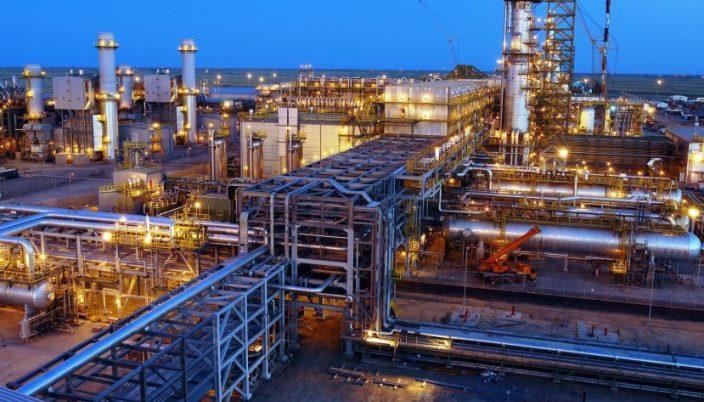
The NMDPRA boss lamented that despite Nigeria’s abundant natural gas reserves, critical infrastructure gaps continue to undermine the nation’s ability to fully harness gas as a transition fuel. He described the current pace of development as inadequate for a country seeking to diversify its energy mix and achieve sustainable economic growth.
Read also: NMDPRA harmonise regulations to address inconsistencies in midstream, downstream sector
“As a country, Nigeria is in urgent need of a diversified investment approach in our energy mix to further drive expansion in the economy beyond the traditional focus on fossil fuels,” Ahmed said.
The Federal Government, through the Presidential Compressed Natural Gas Initiative (PCNGI), has been championing CNG as part of efforts to reduce dependence on imported petroleum products and mitigate environmental pollution. Several strategies, including incentives for vehicle conversion, have been introduced to encourage motorists to switch from petrol or diesel to CNG. However, limited access to refilling stations and high conversion costs remain major deterrents for many Nigerians.
Ahmed noted that bridging these infrastructure gaps is crucial to realising the full benefits of gas adoption. “A constructive approach to developing our other energy sources would have the potential to enable sustained growth in our economy, create jobs, and expand the country’s revenue base,” he said.

He assured that the NMDPRA is working to attract private sector investment to bridge the existing infrastructure deficit and promote the use of gas as a cleaner, cheaper, and more sustainable energy source.
“With Nigeria’s vast gas resources, there exists huge potential for investment opportunities in the upstream, midstream, and downstream sectors of the gas value chain,” he added.
Ahmed reaffirmed the Authority’s commitment to the implementation of the National Energy Transition Plan, which positions gas as a bridge fuel on the path to renewables. He outlined four strategic pillars for sustainable future growth — gas as both backbone and bridge; energy security through refining and supply resilience; decentralised power and clean alternatives; and regulatory certainty supported by people-centred policies.
He called for deliberate and coordinated efforts between the public and private sectors to expand CNG and LPG infrastructure, ensuring that gas becomes affordable and accessible to households, transport operators, and industries across Nigeria.