Global food prices dipped in September as declines in sugar and dairy offset record-high meat prices, according to the United Nations’ Food and Agriculture Organisation (FAO).
The FAO food price index, which tracks monthly changes in the international prices of a set of globally traded food commodities, averaged 128.8 points in September, slightly lower than August level of 129.7 points.
The September value represents a 3.4 percent increase from a year ago. However, it was nearly 20 percent down from a record level in March 2022 following Russia’s full-scale invasion of Ukraine.
Sugar prices, which had climbed to a two-year peak in July before stabilising in August, was curbed in September by a 4.1 percent drop.

It averaged 99.4 points in the period, its lowest since March 2021.
Read also: Food prices fall in Onitsha as new yam floods market
“The drop was driven by higher-than-expected sugar production in Brazil and favourable harvest prospects in India and Thailand, following ample monsoon rains and expanded plantings,” the report said.
The fall in sugar prices reflected an improving supply outlook, with higher than expected production in Brazil and favourable harvest prospects in India and Thailand.
According to the FAO, dairy price index slipped 2.6 percent month on month to 148.3 points, driven in turn by a sharp decline in butter prices amid increased production prospects in Oceania.

It reported that milk powder quotations decreased mainly due to softer demand from key importers and firmer export competition.
Cereal benchmark saw a 0.6 percent decline from August, averaging 105 points, with wheat prices dropping for a third straight month due to large harvests and subdued international demand.
“International wheat prices decreased for the third consecutive month amid subdued international demand and confirmation of large harvests in key producing countries,” FAO noted.
Maize prices also decreased, partly pressured by a temporary suspension of export taxes in Argentina.
Read also: Joy in markets, dread on Plateau farms as FG crashes food prices
The report notes that rice index also demonstrated a monthly fall as reduced orders by buyers in the Philippines and Africa weighed.
Similarly, vegetable oil prices fell by 0.7 percent in the period to 167.9 points as lower palm and soybean oil quotations offset increases for sunflower and rapeseed oil.
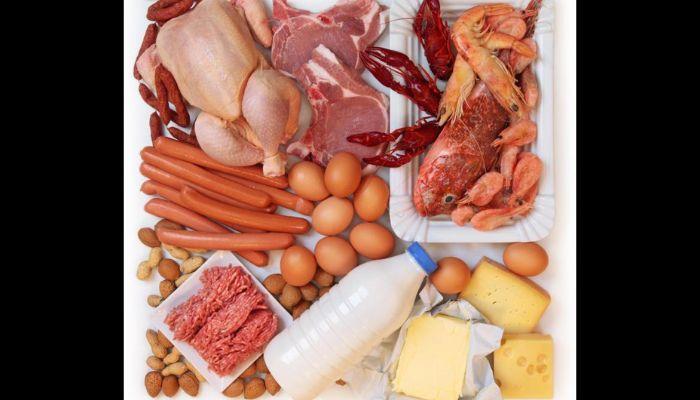
In contrast, FAO’s meat price indicator rose by 0.7 percent month on month, to a new record high of 127.8 points as beef and sheep meat quotations rose.
“Bovine meat prices climbed to an all-time high, supported by strong demand in the United States of America, where limited domestic supplies and favourable price differential continued to encourage imports.”
Beef prices also reached a new peak, supported by strong demand in the United States. amid limited domestic supply.
In a separate report, the FAO increased its forecast for global cereal production in 2025 to 2.971 billion metric tons from a former projection of 2.961 billion tons.
The latest outlook was up by 3.8 percent from 2024 output, marking the largest annual increase since 2013.
The upward revision was attributed to higher production prospects for wheat, maize and rice.