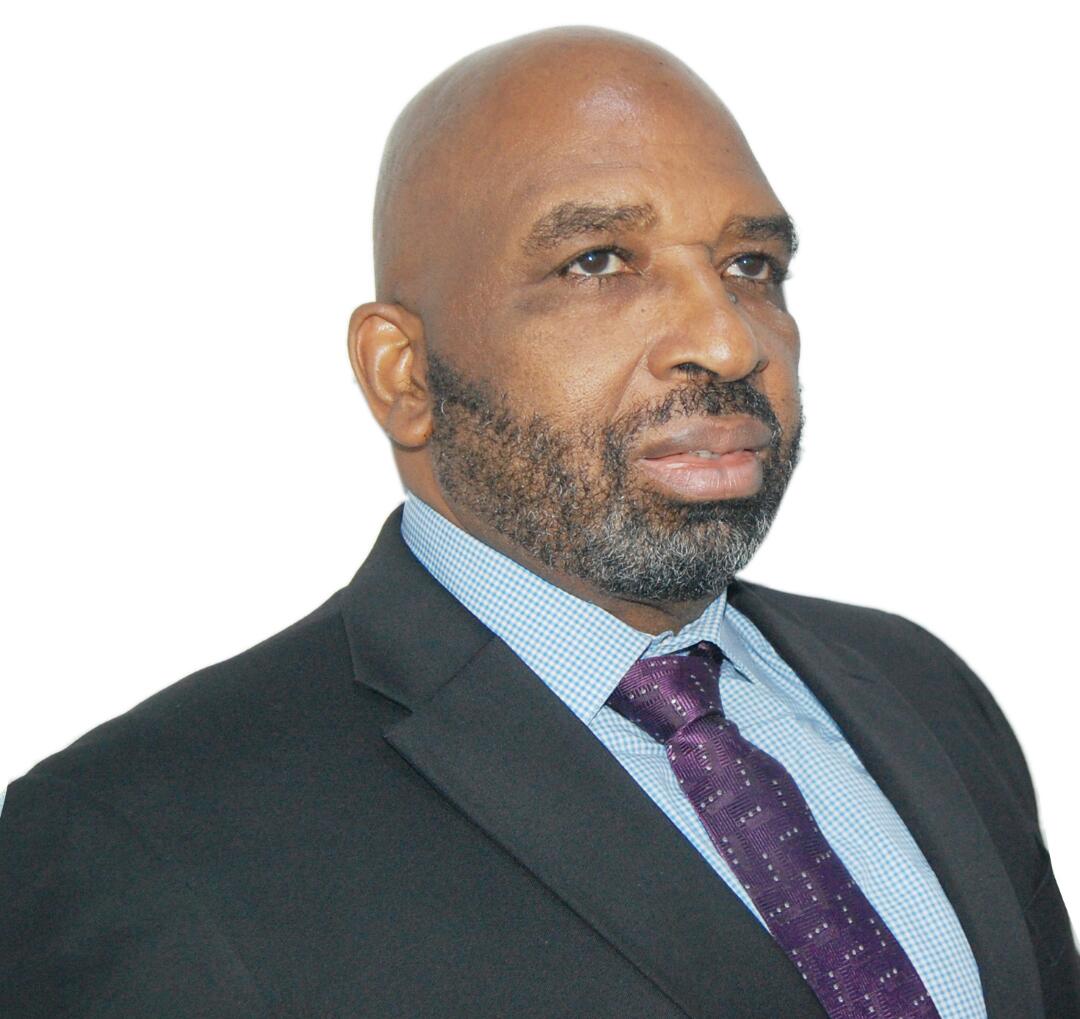
Aniete Udoh, one of Nigeria’s most respected communications leaders, has stated that the future of branding will not be defined by the loudest voices but by the most authentic storytellers.
Udoh, who is the divisional director at Marketing Edge, argues that in a world where consumers are increasingly skeptical and quick to challenge brands, credibility and cultural grounding must sit at the heart of modern communications.
“Your story is your brand. If you are not telling it, someone else is, or worse, nobody is hearing it at all. You don’t need to wait to become rich or famous before telling your story. Start now. Start where you are. With what you have,” Udoh said.
With nearly two decades of experience across journalism, PR, brand strategy and marketing, Udoh has played a central role in elevating Nigerian creativity onto the global stage. Under his leadership, Marketing Edge evolved from a trade journal into one of Nigeria’s most influential communications platforms, becoming the first Nigerian media partner at global events such as Cannes Lions, the Loeries, and the New York Festivals.

His own expertise has also earned international recognition. In 2025 alone, Udoh was named to the PR Power List and appointed as juror for the Effie Awards South Africa, the AME Awards Grand Jury, and the Native Advertising Awards Global Panel. These appointments mark a shift in how Nigerian professionals are viewed on the world stage — as credible voices shaping, not just following, global trends.
Udoh has been a leading advocate for treating storytelling not as a marketing tactic but as a strategic foundation. He has pushed brands and agencies to recognise the value of micro and nano influencers, whose cultural fluency and grassroots credibility make them powerful communicators.
Data shows that Nigerian brands now dedicate up to 35 percent of their budgets to influencer campaigns, a development Udoh helped frame as an investment in authenticity rather than a passing trend.
Equally central to Udoh’s philosophy is ethics. He cautions against the temptation to chase short-term visibility at the expense of credibility. “The lesson is clear: long-term credibility trumps short-term visibility,” he said.
In a country where public trust in institutions is fragile and social media backlash can be immediate, Udoh insists that campaigns must be rooted in cultural authenticity and social responsibility.

For young Nigerian professionals entering a N605 billion ($725 million) advertising industry still battling uneven growth and regulatory hurdles, Udoh’s career offers both a roadmap and a challenge. His rise shows that professionals can build platforms at home that meet global standards, gain recognition abroad without losing local grounding, and redefine branding through authentic, ethical storytelling.
As he puts it: “The future will not belong to the loudest people. It will belong to those who can tell their truth well.”