Every weekend, your social media feeds probably show faces glowing with products slathered on, or #skincareroutine videos. What once seemed like indulgence has become part of many people’s daily life. Nigerian skincare is now about self-care and smart spending. And the business side is catching up fast.
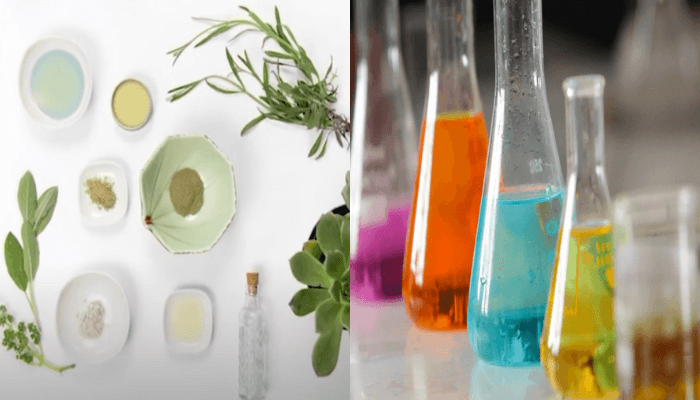
Natural, clean beauty is getting popular. More people are also insisting their skincare be transparent about ingredients (no harmful chemicals, fewer artificial fragrances, more botanicals, and plant-based oils.) Some local brands are leading this charge with scrubs and Oils and are especially praised for feeling effective yet gentle.
Minimalism in skincare is also trending. Gone are the days when more meant better. Nigerians are embracing simpler routines: cleanser, moisturiser, sunscreen, maybe one serum. This is partly because of climate (too many heavy creams feel sticky), and partly because people are tired of buying dozens of bottles that do little.
Read also: How Osazomon Imarenezor is pioneering AI-driven skincare for people of color

Sun protection is finally getting the attention it deserves. The awareness that UV damage shows early on melanin-rich skin has pushed many to seek sunscreens and lightweight daily lotions with SPF.
There is also growing demand for skincare that treats underlying issues. Think brightening creams, treatments for hyperpigmentation, anti-aging serums with vitamin C, barrier repair moisturisers especially during harmattan and when the skin is stressed.
The skincare e-commerce space in Nigeria is growing fast. It was valued at about US$1.5 billion (2024) and is expected to more than double by 2027.
Local brands are gaining ground. They are leveraging both local ingredients like shea butter, black soap, local oils and scientific formulations. Local brands are being sought out not only for effectiveness but also for being “made in Nigeria” and tuned to local skin concerns.
The government decision to ban export of raw shea nuts for six months is also relevant here. The goal is to force more value addition locally, so that Nigeria does not merely supply raw ingredients but creates refined shea butter, butters, oils, creams etc. This means supply for skincare brands could become more secure and maybe cheaper long-term.

Read also: Why is Africa missing from the $146 billion skincare industry?
Because of these shifts, people are changing how they build their routines. Some of the habits gaining ground like reading labels, not just seeing “organic” or “natural” but checking what percentage of botanical extracts are used, whether products are cruelty-free, vegan etc, budgeting smarter skipping impulse buys, sticking to a few well-reviewed items rather than many cheap, unproven ones, using toners or essences followed by moisturisers, then SPF; sometimes using facial oils at night instead of heavy creams and lastly, using face masks and at-home spa rituals more often, especially during weekends or when skin feels dull. This is part of what many call “wellness-skincare” not beauty skincare.
However, some Nigerian and imported products are not always well-regulated. Counterfeits, misleading labels, unsafe ingredients are still issues. Coupled with export bans and pressure to add value locally, brands will need reliable sourcing, quality control, and possibly more investment in manufacturing. While many want natural, high-performing products, cost can be a barrier. Brands that balance affordability with clean ingredients are more likely to win mass appeal.