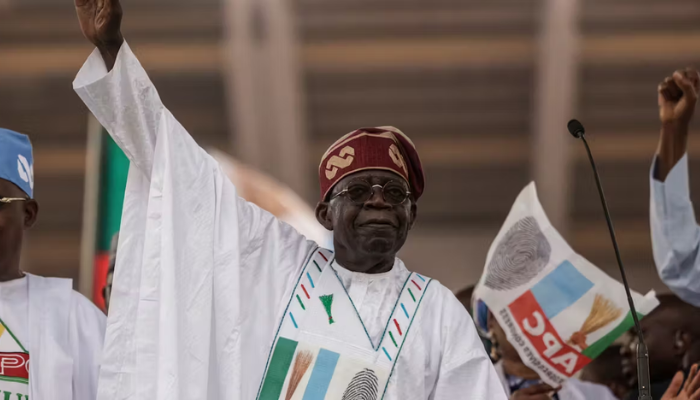
When President Bola Ahmed Tinubu stood before Nigerians in 2023 and vowed to “deploy the entire machinery of state power” against insecurity, the promise rang with urgency. Two years later, the nation still bleeds: farmers are kidnapped from their fields, highways remain death traps, and bandits operate with impunity. Yet to claim nothing has been done would be misleading. The deeper failure is not the absence of action, but the absence of coherence.
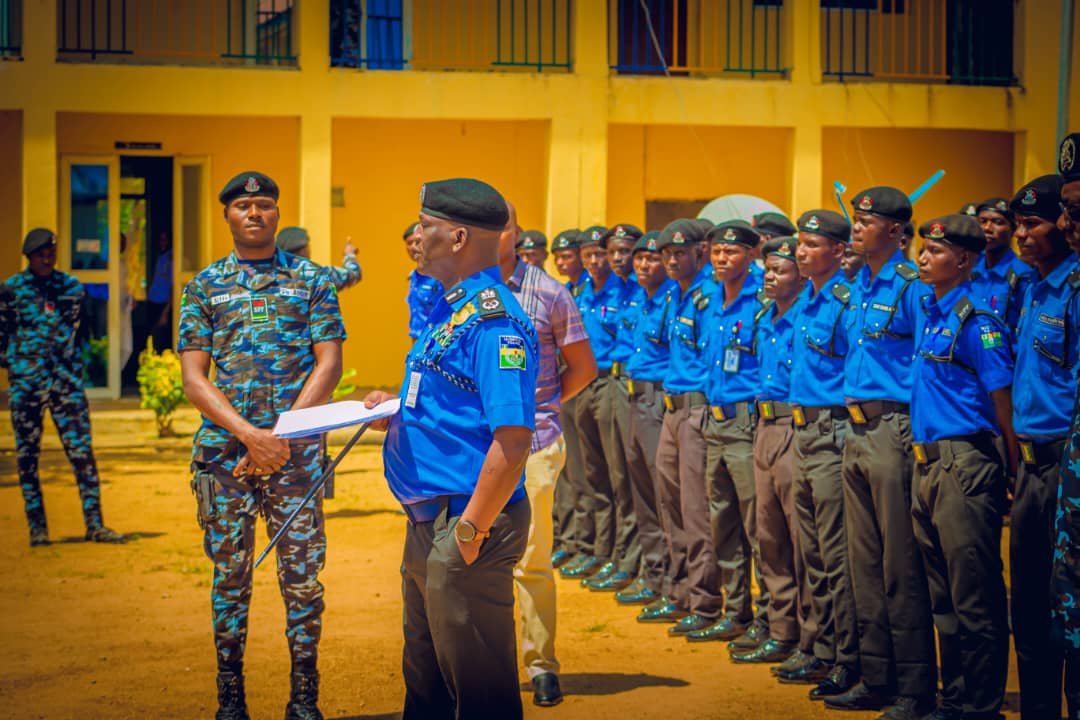
Tinubu’s government has acquired weapons, expanded local arms production, and renewed military partnerships with allies from the United States to Turkey. The Nigerian Air Force now fields Super Tucano aircraft and newly acquired drones. The Defence Industries Corporation of Nigeria (DICON) has been tasked with ramping up indigenous production. On paper, this signals intent. But the reality on the ground exposes a state that cannot connect its instruments of power into a strategy that citizens can feel. The bullets may be arriving, but confidence in the state is not.
“Tinubu still has time to redeem his promise, but the window is closing. To do so, he must turn away from fragmented gestures and build a holistic security architecture anchored in accountability. Nigerians must see ambassadors driving regional influence, not empty chairs in foreign capitals.”
Read also: Pathways for harnessing the machinery of state power to address Nigeria’s security challenges

The disconnect begins with diplomacy. For months after taking office, Nigeria had no ambassadors in several key capitals, leaving gaps in intelligence sharing and regional coordination. Though some appointments have since been made, the sluggish pace undercut Nigeria’s credibility, particularly as crises escalated in the Sahel. Niger’s coup in 2023 reshaped regional dynamics, yet Abuja’s voice was hesitant. A nation that once commanded West Africa’s security agenda now struggles to influence it. Tinubu’s promise to lead ECOWAS into a firmer security posture faltered in the face of withdrawals and defiance by neighbours. If the diplomatic leg of state power wobbles, the military cannot stand alone.
The military itself is fighting an unwinnable war of attrition. More guns and uniforms have not compensated for weak coordination, poor intelligence, and corruption within the ranks. Reports of inflated procurement contracts and soldiers underpaid or ill-equipped persist. The Nigerian state continues to default to a “kinetic-first” mindset, while underinvesting in intelligence-led policing, civil-military relations, and community resilience. The result is predictable: insurgents adapt faster than the state, and each new offensive leaves behind unaddressed grievances that fuel the next cycle of violence.
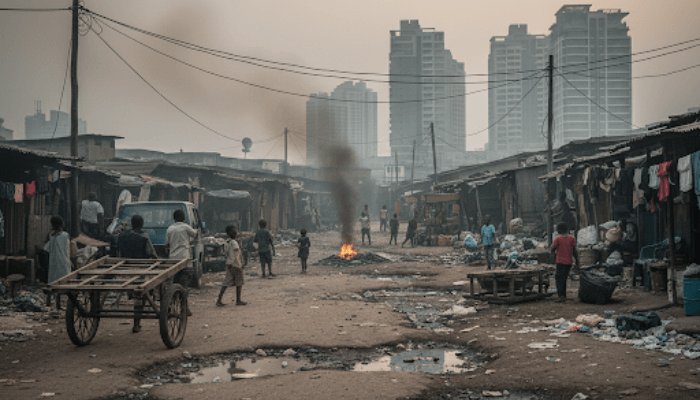
Then there is the economic dimension. A government that floated the naira and removed subsidies has plunged millions into deeper poverty, compounding insecurity. Food inflation has soared above 30 percent, while unemployment festers. Tinubu speaks of economic revival, but insecurity feeds off economic despair. Communities denied livelihoods are easy prey for extremist recruitment. If state power is truly to be deployed in full, the economic machinery must do more than generate slogans; it must deliver visible relief.
Equally troubling is the opacity of Tinubu’s update to Nigeria’s National Security Strategy. Announced with fanfare, the document remains shrouded in bureaucratic secrecy, as though security is a matter for elites alone. What benchmarks should Nigerians use to judge their success? Lower civilian casualties? Reduced response times to attacks? Improved trust in local policing? Without measurable outcomes, the strategy risks becoming yet another paper promise. Citizens deserve more than rhetoric—they deserve accountability.
Read also: Atiku berates Tinubu’s administration over high rate of killings

Critics may argue that Tinubu inherited a storm too entrenched to calm in two years. In fairness, they are right: Nigeria’s insecurity is decades in the making, rooted in governance failures, poverty, and climate stress. The president cannot undo this overnight. Others point to progress, the relative containment of ISWAP in parts of the northeast or the renewed morale among some security units. But even partial gains cannot mask the larger problem: the Nigerian state remains fragmented, with each arm of power pulling in different directions.
What is missing is integration. The diplomatic corps must complement military campaigns with regional leverage. The economy must be marshalled to reduce the poverty and unemployment that fuel violence. Information campaigns must build trust and counter extremist narratives. Political will must curb corruption in procurement and enforce civilian oversight. And socio-cultural instruments, religious leaders, traditional authorities, and civil society must be mobilised to rebuild trust where government presence is thin. Until Nigeria learns to operate all these levers in unison, insecurity will remain profitable for criminals and punishing for citizens.
There are models to draw from. Kenya has fused community policing with counterterrorism, blending hard and soft power. Colombia’s decades-long battle against insurgency shifted when the government combined military offensives with rural development and reintegration programmes. Nigeria does not lack lessons; it lacks the will to apply them consistently.
Ultimately, the president’s pledge is less about firepower and more about credibility. Each time bandits overrun a village, each time commuters are kidnapped on the Abuja-Kaduna highway, the gap between presidential words and citizens’ realities widens. Nigerians do not measure security in strategy documents; they measure it in whether their children return home safe.
Read also: Atiku blames worsening insecurity on Tinubu’s leadership failures
Tinubu still has time to redeem his promise, but the window is closing. To do so, he must turn away from fragmented gestures and build a holistic security architecture anchored in accountability. Nigerians must see ambassadors driving regional influence, not empty chairs in foreign capitals. They must see roads secured by intelligence-driven patrols, not convoys chasing shadows. They must see an economy that shields the vulnerable, not one that abandons them.
Insecurity thrives where state power is incoherent. If Tinubu is serious about deploying the “entire machinery of state”, then the test is simple: align diplomacy, intelligence, military, economy, politics, and culture into a coherent force that restores citizens’ faith. Anything less, and his pledge will remain what it increasingly feels like, an empty promise echoing across a wounded nation.