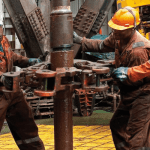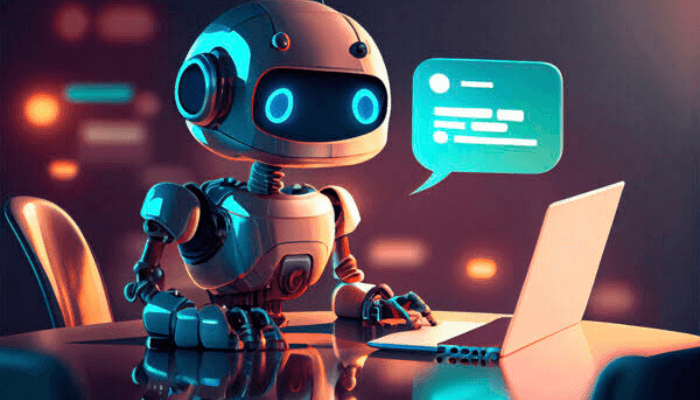
I remember the first time I saw a real-life robot. It was a factory in the Midlands, United Kingdom,a huge, humming place. A robotic arm was welding car parts with a kind of silent, brutal grace. It was incredibly fast, never took a break, and never complained. Watching it, I couldn’t help but wonder what the future of work would look like for us humans. Now, instead of giant arms on a factory floor, we’re talking about AI. It’s in our laptops and on our phones, changing everything from how we write emails to how we crunch numbers. For a lot of business owners, it’s a mix of excitement and anxiety. Is this new technology going to be a teammate or a rival?
Before we get into this, let’s be clear about one thing: AI isn’t some science-fiction monster coming to take everyone’s job. It’s a tool, a very powerful and intelligent one.
When computers first appeared, people worried, too. But they didn’t replace workers; they changed the work. They made some tasks easier and created a whole bunch of new jobs that no one had even thought of before. That’s what we’re seeing now with AI. It’s not about replacing people, it’s about making them better at what they do.
The Power of the AI Assistant

Imagine you’re running a small business. You’re swamped with emails, buried in data, and trying to keep up with marketing. It feels like you’re doing three jobs at once. This is where AI steps in as a good colleague.
Let’s say you need to write a quick report for a client. Instead of staring at a blank page, you can use an AI tool to draft a first version. It won’t be perfect, but it’ll give you a solid starting point. You can then spend your time on what really matters: adding your personal touch, your unique insights, and making sure the tone is just right. The AI handles the grunt work, freeing you up to do the creative thinking.
Or maybe you’re struggling to make sense of all your sales figures. An AI-powered tool can analyse that data in seconds, spotting trends and patterns that would take you days to find. It can tell you which products are selling best, which customers are most loyal, and even predict future sales. That’s not a threat; that’s a massive advantage. It means you can make smarter decisions for your business, faster.
Redefining Roles, Not Removing Them
The real shift with AI isn’t about eliminating jobs; it’s about changing job descriptions. The routine, repetitive tasks are the ones that AI is best at. Things like data entry, scheduling appointments, or drafting standard letters. When a machine takes over these jobs, it doesn’t mean the person who did them is out of a job. It means they can now focus on more interesting, valuable work.

For example, a customer service representative who used to spend all day answering the same questions can now use an AI chatbot to handle those simple queries. This leaves them with more time to deal with the really tough problems the ones that need empathy, creative thinking, and a human touch. Their job becomes more about problem-solving and building relationships, not just answering the phone.
And think about marketing. AI can help with everything from creating content to running ad campaigns. But it can’t come up with the big, bold ideas that grab people’s attention. That still needs a human brain. The marketers who understand how to use these new tools to get better results are the ones who will thrive.
A New Set of Skills
So, if AI is going to handle a lot of the old tasks, what skills will we need in the future? The answer is simple: Human skills. Things like critical thinking, communication, collaboration, and creativity. We need to be able to ask the right questions, not just get the right answers.
For business owners, this means two things. First, you need to be open to trying out new AI tools. Start small. Find one or two areas where AI could make a real difference in your business, whether it’s managing your calendar or analysing your customer feedback. Second, you need to invest in your people. Give them the chance to learn how to use these new tools. Help them develop the skills that AI can’t replicate.
The companies that succeed in the years to come won’t be the ones that see AI as a threat, but the ones that see it as a partner. They’ll be the ones that use it to make their teams more efficient, more creative, and more competitive. It’s not about a man versus machine competition; it’s about a man and machine working together.
The Road Ahead
Ultimately, the choice for businesses isn’t whether to use AI or not. It’s already here. The choice is how to use it. Will you see it as a tool to streamline your operations and free up your people to do their best work? Or will you see it as a competitor to be feared?
The story of work is a story of continuous change. From the factory floor to the office desk, new technology has always pushed us to adapt. AI is just the next chapter. It’s a chance to build a better, smarter, and more creative way of working. It might feel a little scary, but the good news is, we’re in control of this story. We get to decide what happens next.
AIFORSME helps businesses harness the power of Artificial Intelligence to drive growth, automation, and efficiency. From strategy and consulting, to AI-powered tools and process optimisation, we support business owners and teams to adopt AI in practical, profitable ways. You can send an email to hello@aiforme.ng. Let’s explore how AI can transform your business.