…expands food business with $20m
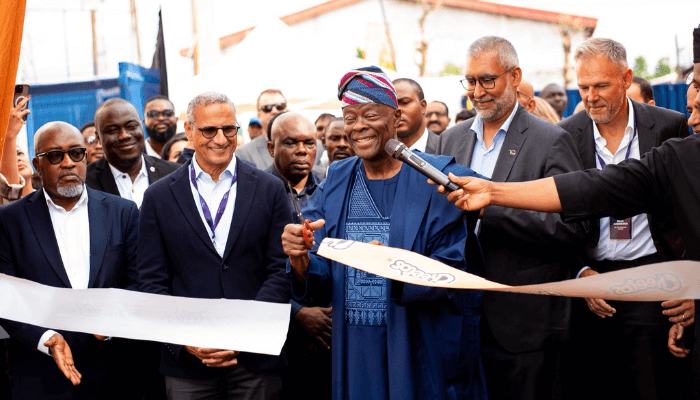
PepsiCo, a multinational food and beverage company, in a strategic partnership with DP World has unveiled a new chips production plant in Africa’s most populous nation.
The move follows the brand’s latest introduction of Cheetos — a maize-made snack – into Nigeria’s market, which will have more than 90 percent of its ingredients locally sourced in Nigeria through a backwards integration partnership with Flour Mills and Presco.
This strategic investment which has increased the food and beverage company investments in Nigeria with over $20 million will help boost local sourcing, enhance production capacity and create new job opportunities in the country.

At the launch of the newly introduced Cheetos in Lagos recently, Felix Enwemadu, general manager of PepsiCo Nigeria, reaffirmed the company’s commitment to boosting efforts of backwards integration in Nigeria as a way to encourage local sourcing and cut down on imports.
Read also: Nigeria’s gold, limestone, bitumen production rising — Miners Association
“We are sourcing over 90 percent of our materials— maize and vegetable oil—locally. We are working with different partners like Flour Mills to provide us with all the flour that is required for operations, while we get our vegetable oil from Presco,” he said.
Sealing its over three-decade presence in the country with more investments, Enwemadu says this is only just the beginning.
“Our partnership with DP World would help with manufacturing and distribution across all the regions in Nigeria,” noting that this will tackle infrastructure challenges prevalent in the trade sector.

He disclosed that the firm currently employs over 1,000 people across its different arms. Enwemadu says that with this investment, which aims to build a thriving ecosystem of locally sourced products, will create even more jobs, especially for youths.
Lauding this bold step, Wale Edun, minister of Finance and coordinating minister of the Economy, noted that the $20 million investment in local sourcing will create jobs and integrate Nigeria into global supply chains.
According to the minister, this move by PepsiCo mirrors a boost in investors confidence, following the bold reforms of President Bola Ahmed Tinubu, including the removal of fuel subsidy, which restored fiscal balance and enabled productive investments in the economy.
“The removal of fuel subsidies has allowed a restoration of fiscal balance with more funds and resources available for building productive investment,” Edun said.
“And as we move with the liberalisation of foreign exchange, the implementation of market pricing is what has allowed what we have witnessed here today.”
The arrival of Cheetos on the shores of Nigeria in three flavours – coconut, cheese and sour cream onion – strengthens PepsiCo’s growing snack portfolio in West Africa, reinforcing the company’s commitment to localising food production and building a sustainable food value chain.
Muhammed Akoojee, chief executive officer of DP World’s Sub-Saharan African region, described the partnership as one built on a “long-standing” foundation of trust, impact, and shared goals.
He noted that this strategic partnership with PepsiCo will bridge existing logistics bottlenecks in inter-trade transactions in Africa.
“The cost of logistics globally ranges between 6 to 8percent, but in Nigeria, it is double that,” he said.
“In some cases, up to 75 percent of the cost expended can be logistics cost, which is not sustainable. That is why we at DP World want to build a sustainable logistics infrastructure so we can make the supply chain easier.”
Read also: Passionate plea: Ebonyi sesame farmers look to government to boost production
Despite this, Akoojee says it hasn’t been a walk in the park. He lamented the difficulty of moving goods across Africa’s most populous country. “Infrastructure in the form of bad roads and cost of transportation has been a challenge.”
However, he emphasised the vision of the firm to make trade smoother by integrating technology and Artificial Intelligence, to ensure that prices are fair and stable. “Business needs stability to boost investors’ confidence.”
Similarly, Ajit Nair, managing director of Fareast Mercantile Company Nigeria, said Nigeria is PepsiCo’s most integrated market with DP World, spanning the full value chain from manufacturing to distribution.
“This marks the third PepsiCo facility we operate, an achievement that reflects the strength of our partnership, built on trust, performance, and shared purpose,” he noted.
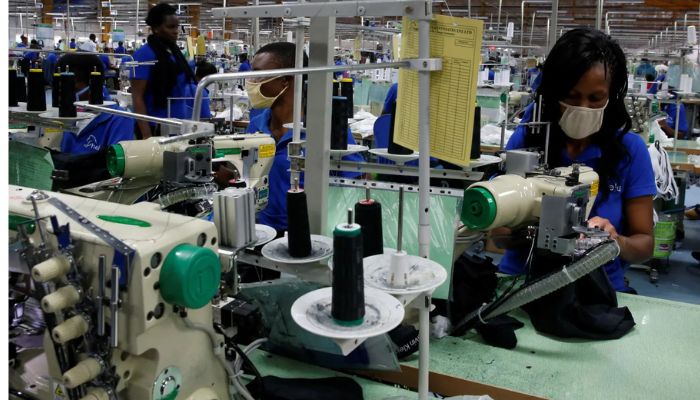
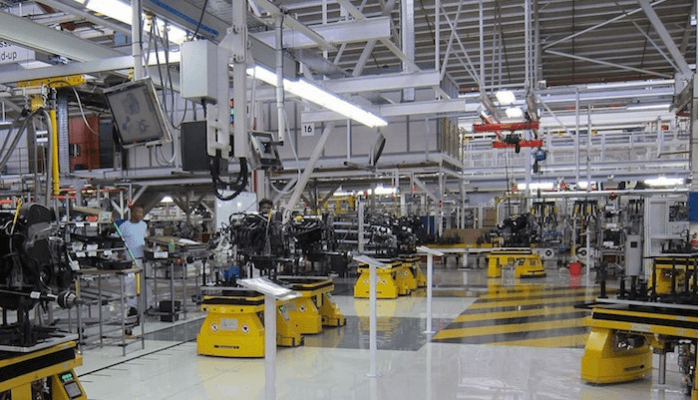
Situated on a wide hectare of land in the Mushin area of Lagos, the new plant, assembled with latest manufacturing lines, marks the two firms’ commitment to driving healthy and sustainable food production, as well as their efforts to see that the manufacturing and food sectors thrive.