In Akwa Ibom, more than 15,000 people are competing for just 3,000 civil service jobs. A contest that means at least 80 percent of applicants will be turned away.
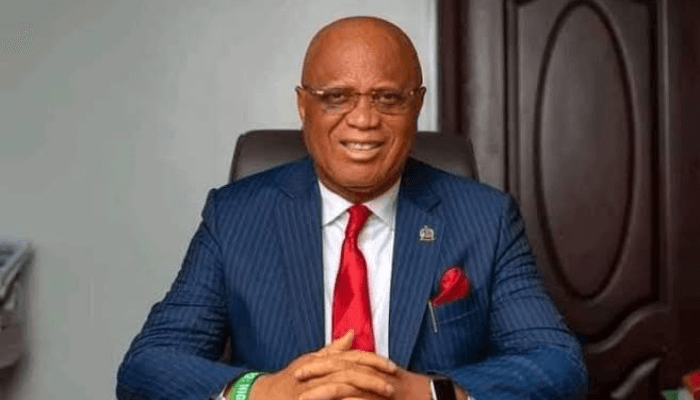
Governor Umo Eno, who disclosed the figures during the state’s monthly prayer service in Uyo, assured that the recruitment process would be fair. He said candidates would sit for a computer-based test with instant results, cutting out the “slots and favouritism” that tainted past exercises.
But even with transparency guaranteed, the numbers reveal a deeper economic strain. Of the 3,000 openings, 1,000 are in teaching, 1,000 in healthcare, and 1,000 in the core civil service. That translates to about 15 people chasing every single vacancy. A ratio that underlines how scarce jobs have become.
Data backs up the desperation. The National Bureau of Statistics puts unemployment in Akwa Ibom at 34.9 percent, well above the national average of 33 percent. Some independent studies suggest that more than half of the state’s young people (about 52 percent) are without work.

For many, the civil service is one of the few remaining routes to a steady income. Oil wealth has not translated into private sector expansion, leaving government as the main employer. That reliance is now colliding with reality: demand for jobs far outstrips supply.
The state government has introduced schemes like the ARISE Youth Employment Portal and the Dakkada Skills Acquisition Programme to reduce pressure on the payroll. But analysts say the initiatives are yet to match the size of the problem.
The sad fact is that at the end of the recruitment exercise 12,000 people will walk away empty-handed, the only question now is who will make the rejection list.
For now, the process promises fairness. But fairness alone does not create more jobs , and thousands of Akwa Ibom youths are about to be reminded of that.