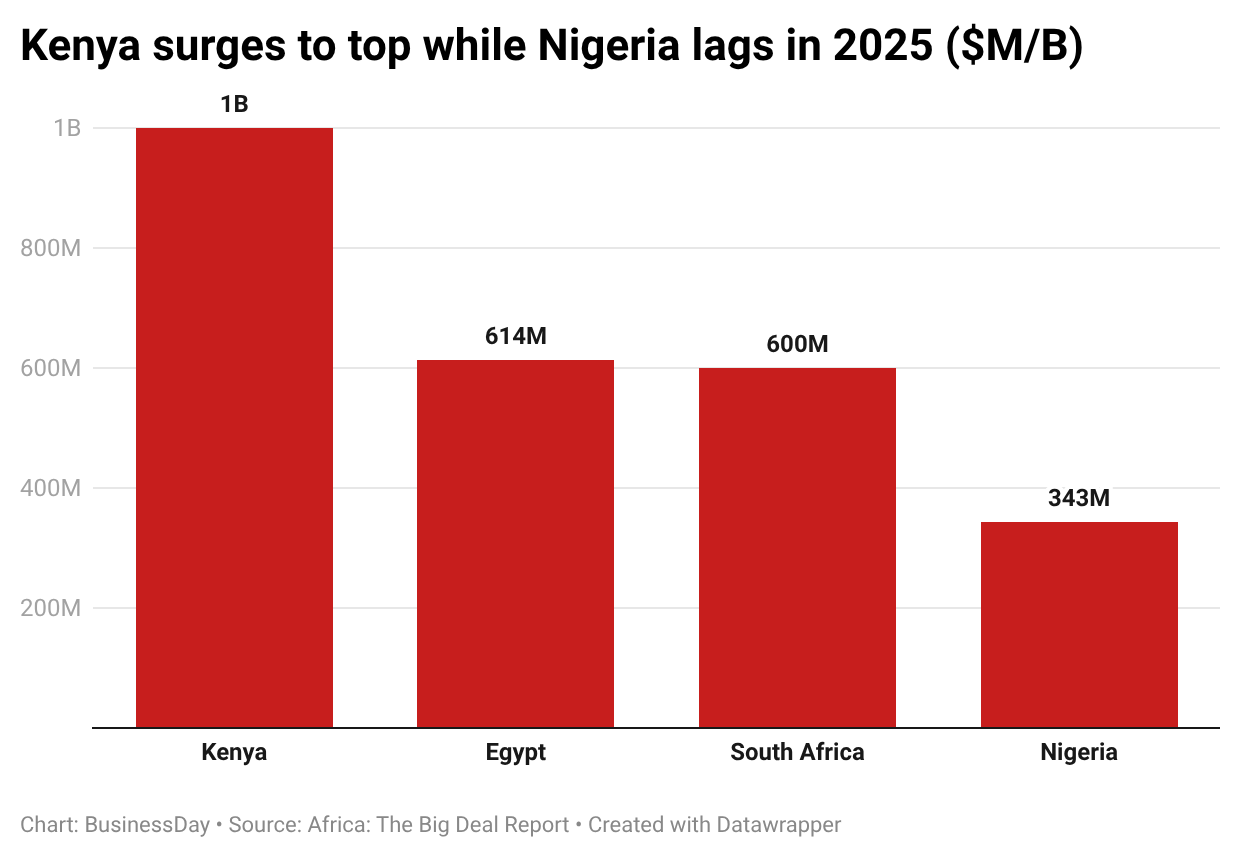
The Nigerian Communications Commission (NCC) says recent regulatory reforms have triggered a record surge in capital inflows into the nation’s telecoms sector, with operators projected to invest over $1 billion in network expansion and upgrades before the end of 2025.
Dr. Aminu Maida, the executive vice chairman and chief executive officer of the NCC, at an interactive session with the media in Lagos, on Friday, said the shift back to market-determined pricing in January had reversed a decade-long trend of stagnant tariffs, unlocking new capital and enabling operators to plan large-scale infrastructure rollouts.
Read also: NCC eyes deeper broadband, inclusion push as Olorunnimbe takes board chair
“We took a difficult decision early in the year to return to the principles that brought growth to this industry in the 2000s, allowing market forces to determine fair prices. Almost immediately, we began to see investment commitments that had been absent for years. Cumulatively, 2025 will close with over a billion dollars in fresh infrastructure spend,” the EVC explained.

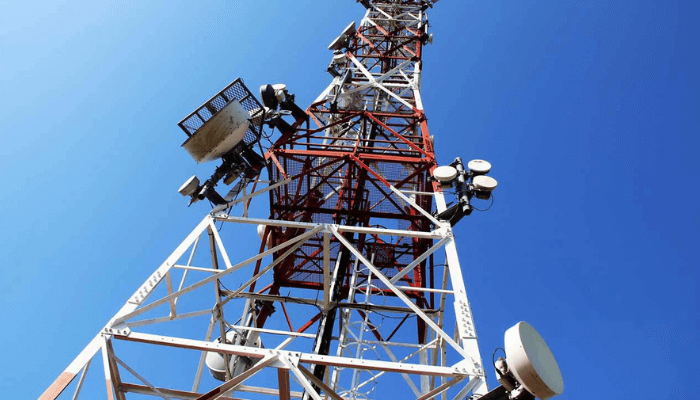
According to him, this is the first time in over three years that some operators are making major equipment purchases, with shipments already arriving since June. He said these investments will fund upgrades of existing base stations, construction of new sites, and expansion of fibre backbones across the country, starting from the North Central region.
A decade of stagnation
The NCC chief noted that for nearly ten years, mobile operators operated under a form of price control that prevented them from adjusting minimum tariffs despite rising inflation, currency depreciation, and higher input costs. Meanwhile, other parts of the telecoms value chain, such as wholesale fibre providers, were free to adjust their pricing.
“This created a distortion where investments were only sustained by reinvesting earnings, with no real headroom for growth. By realigning the rules, we have restored investor confidence, both for local players and foreign partners who supply the hardware and software,” he said.
Highlighting the sector’s import dependency, he said every component needed to build and operate a mobile network in Nigeria, from radio equipment to software systems, are imported. The sector also consumes over 40 million litres of diesel monthly, most of which is imported, though he expressed optimism that domestic refining capacity will ease forex pressures.

On security and site protection, the EVC disclosed that vandalism, theft of generators, and fibre cuts remain serious challenges. To address this, the NCC has introduced stricter site security standards, launched a public sensitisation campaign, and is finalising plans for a rapid response force in partnership with the Office of the National Security Adviser.
The Commission is also set to sign a memorandum of understanding with the Federal Ministry of Works to coordinate road construction projects and prevent accidental damage to telecoms infrastructure. A new digital platform will allow ministries to notify operators ahead of planned works and receive feedback on possible service impact.
Read also: NCC sets stricter standards as telecom sector eyes $22.82bn by 2029
While warning that the benefits of the current investment wave will take months to translate fully into better quality of service, the EVC stressed that the reforms were necessary to ensure long-term sustainability.
This industry moves fast, the world is already talking about 6G and Nigeria cannot afford to fall behind. The capital commitments we’ve unlocked this year put us back in the race,” he stated.