The Nigerian Communications Commission (NCC) is intensifying efforts to strengthen the resilience of the country’s telecom networks as volatility in diesel supply and rising operational costs continue to pose risks to service continuity.
The move comes after the Commission, in collaboration with the Office of the National Security Adviser (ONSA), successfully intervened to avert a nationwide strike by the Natural Oil and Gas Suppliers Association of Nigeria (NOGASA). The planned industrial action would have disrupted diesel supply to thousands of base stations across the country, threatening voice and data services for millions of subscribers.
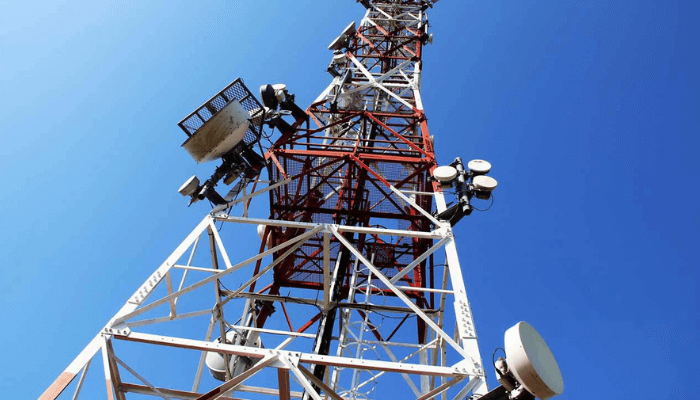
Telecom operators in Nigeria rely heavily on diesel to power a vast network of generators that keep their sites operational amid erratic grid supply. Industry analysts say that with over 40,000 telecom towers nationwide, even a short-term disruption in fuel supply could lead to significant service degradation, economic losses, and reputational damage to operators.
Read also: NCC restricts ex-officials from telecom sector roles until 5years after leaving the commission

Dr. Aminu Maida, NCC’s executive vice chairman, said the Commission is committed to enforcing technical standards that improve network reliability, while also fostering stronger stakeholder engagement to pre-empt disruptions.
“Telecommunications infrastructure is the backbone of our connectivity and digital economy. Any disruption, whether through vandalism, fuel shortages, or denial of site access, has far-reaching implications for economic stability and national security,” Maida said.
The intervention underscores the strategic importance of telecom infrastructure, which has been designated as Critical National Information Infrastructure (CNII) under President Bola Ahmed Tinubu’s executive order. The designation obligates government agencies, security operatives, and the public to prioritise the protection of these assets.
Read also: NCC tightens governance rules to bolster integrity in $9.52bn telecom sector
NCC officials explained that the Commission is working with operators to explore more sustainable energy options, including hybrid power systems and renewable energy solutions, to reduce dependence on diesel. These initiatives, they say, are essential to mitigating exposure to energy supply shocks while advancing Nigeria’s climate and sustainability commitments.

Mallam Nuhu Ribadu, national security adviser, who led the mediation talks with NOGASA, stressed the link between uninterrupted telecom services and national security.
“Connectivity underpins everything from commerce to emergency response. We cannot afford avoidable disruptions,” Ribadu said.
BusinessDay findings show that diesel accounts for a significant portion of telecom operators’ operational expenses, with some estimating energy costs at up to 40 percent of total OPEX.
Read also: NCC sets stricter standards as telecom sector eyes $22.82bn by 2029
For the NCC, the recent crisis has reinforced the need for proactive engagement, diversified energy sourcing, and tighter protection of telecom infrastructure.
“We call on all Nigerians to regard telecom infrastructure as shared national assets. Their protection underpins our ability to transact businesses, access healthcare, pursue education, and participate in the global digital economy,” Maida said.
With Nigeria’s data traffic expected to grow by double digits annually, the Commission says building network resilience is no longer optional, it is a strategic imperative for sustaining economic competitiveness and attracting foreign investment.