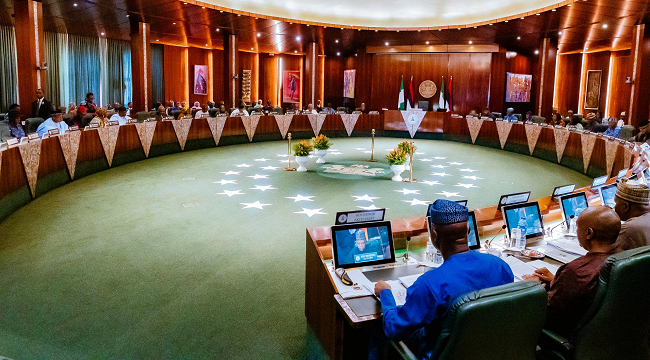
The room was cold emotionally, not physically. Team members sat stiffly around the conference table, exchanging glances but offering little input. The CEO, unaware of the psychological climate, launched into the quarterly targets with mechanical precision. By the end of the meeting, no ideas had been challenged, no risks taken, and certainly no truths spoken. The team wasn’t lazy; they were cautious. And the temperature of that caution had been set, silently but steadily by the leader at the helm.
Leaders often think they are holding a compass, steering the ship. But in truth, they are also holding a thermostat constantly setting the temperature of the organisational culture. The only question is: are they aware of what they are setting?
“What is the emotional temperature of your team right now, and how do you know?”
Culture is not what is written on the wall; it is what walks down the hallway. It lives in tone, in trust, in how power is used or misused. And in a world still recovering from organisational fatigue, economic shifts, and digital burnout, culture isn’t just “a nice to have.” It is the silent factor behind whether your talent stays or walks away.

Harvard Business Review found that 89% of workplace exits are due to cultural friction, not compensation. Likewise, MIT Sloan’s research indicates toxic culture is 10 times more predictive of attrition than pay. Yet leaders often misdiagnose the issue, believing an increase in salaries or perks will fix an erosion in morale. It won’t. Because you can’t decorate dysfunction or beautify toxicity.
The best leaders do something else entirely: they regulate.
Every organisation has a cultural temperature. Some run cold with indifference. Others boil with anxiety. A few manage to hold warmth where high expectations meet deep trust. That warmth is rarely accidental. It is set, moment by moment, by the leader’s presence, language, and reaction.
Let’s walk through three mindset shifts that help leaders function more like thermostats than thermometers:
First, Regulate, Don’t React. Reactive leaders mimic the room. If the team is anxious, they become more anxious. If there’s silence, they fill it with more directives. Regulating leaders, on the other hand, name the tension and reframe it. They acknowledge stress but redirect energy. If a deadline is tight, they don’t amplify the pressure; they clarify the priorities.

Second, Model Before You Manage. Team culture is rarely shaped by what a leader says; rather, it is shaped by what the leader tolerates or demonstrates. Want accountability? Model ownership. Craving innovation? Model risk-taking. Trying to build inclusion? Watch who you interrupt. Every leader sends a signal, and over time, those signals become a system.
Lastly, Tune in to Temperature Drops. Is your team unusually quiet in meetings? Are you hearing fewer questions or ideas? These are not personality quirks they are climate clues. When engagement freezes or simmers, smart leaders don’t panic. They pause and ask: What am I broadcasting that might be causing people to shut down?
Every leader has a daily “thermostat moment.” It is an opportunity to influence how people feel, connect, and contribute. So, try this approach:
At your next team meeting, instead of starting with KPIs or updates, ask: “What’s something unspoken that might be limiting our effectiveness right now?” Then wait. Silence isn’t awkward, it is informative. You might be surprised at the truth that emerges when you allow space and set the tone of safety.
Also, consider scheduling short “pulse check” meetings bi-weekly, not to review tasks, but to gauge team morale, clarify unspoken concerns, and reset collective focus. When leaders make emotional temperature part of regular dialogue, they normalise psychological safety and proactively prevent dysfunction before it quietly spreads.
What is the emotional temperature of your team right now, and how do you know?
Do people leave your presence more anxious or more aligned?
What subtle behaviours might you be modeling that unconsciously lower morale or creativity?
Are you reacting to your team’s stress or intentionally regulating it?
If someone were to describe your leadership tone in three words, what would they say?
This week doesn’t just track performance, track atmosphere. Step back and observe the emotional energy you set as a leader. Then take one intentional action to reset that atmosphere. Whether it is showing up with greater emotional transparency, giving space for others to speak, or simply checking in personally before charging into business, leadership is not just what you do, but how you do it.
So be mindful and always remember: thermostats don’t control everything, but they influence everything.
And in today’s fast-changing work culture, leaders who learn to regulate rather than react will not only retain their teams but rejuvenate them.
Leadership is not about cranking up control. It’s about calibrating presence, tone, and trust. Be the leader who sets a better temperature.
About the Author
Dr Toye Sobande is a strategic leadership expert, executive coach, lawyer, public speaker, and award-winning author. He is the CEO of Stephens Leadership Consultancy LLC, a strategy and management consulting firm offering creative insight and solutions to businesses and leaders. Email: contactme@toyesobande.com