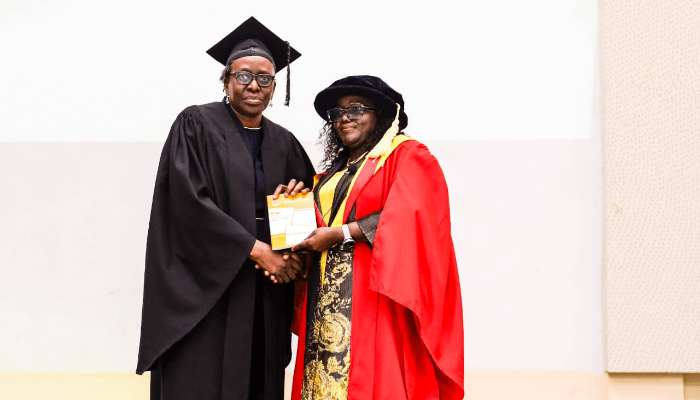
Mary Odukoya, a professor of environmental geochemistry at the University of Lagos, has called on Nigerian policymakers and economic managers to be proactive in addressing environmental and health challenges in the country.
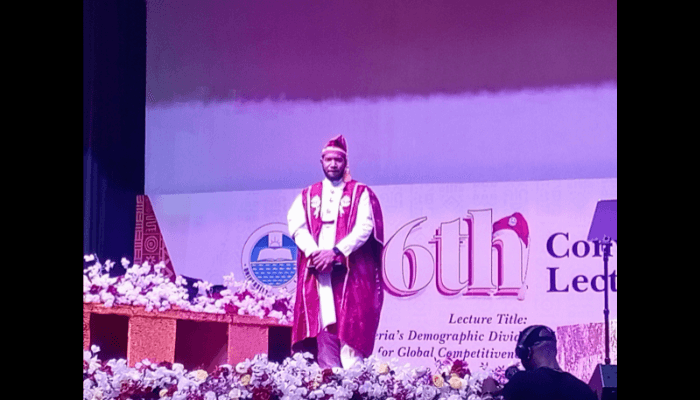
Odukoya made the clarion called at the 18th inaugural lecture in the 2024/25 academic session of the university which she delivered on Wednesday, July 23, titled: “Doctor of Rocks: Unveiling the Hidden Connections between Geology and Human Health”, in which she highlighted the intricate relationships between geological processes and public health, addressing critical environmental challenges such as artisanal small-scale gold mining, groundwater contamination, urban pollution, and geochemical mapping.
She highlighted the importance of addressing micronutrient deficiencies in soils and food systems, which can lead to widespread health issues. Besides, she emphasised the need for sustainable agricultural practices, soil fortification initiatives, and targeted nutrition programmess to achieve Sustainable Development Goal 2 (SDG2): Zero Hunger.
Odukoya’s research findings as presented have significant implications for policy and practice as they show the need for a coordinated and interdisciplinary approach to address environmental challenges.

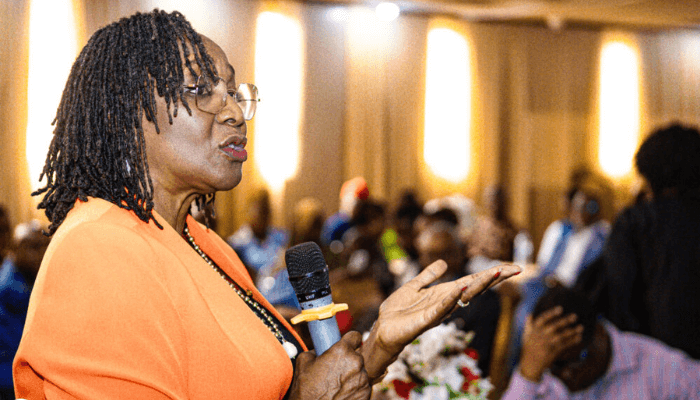
The professor, who is the first female professor and head of the Department of Geosciences at the University of Lagos, and also the first female professor of Geology to deliver an inaugural lecture at any Nigerian university to date, said that humans have long relied on rocks and minerals for tools, shelter, and wealth.
However, she said these geological materials also hold secrets that profoundly impact our environment and health. Earth’s geological processes are intricately tied to human well-being, from the water we drink to the food we eat and air we breathe.
“Understanding these connections between geology and health is essential for effective environmental management and disease prevention,” she said.
From her research, she revealed that the relationship between fundamental elements, heavy metals, and health effects has garnered significant attention, with elevated levels of toxic elements and deficiencies recorded globally, giving rise to Medical Geology.
Odukoya explained that environmental factors related to geologic materials and processes significantly influence human health at the population level.

Citing Selinus, and co, she said, “Understanding geological history and environmental conditions is essential for identifying natural hazards impacting human and ecosystem health.
“This knowledge aids in mitigating and preventing serious health issues, contributing to community well-being, as emphasized in the United Nations 2030 Sustainable Development Goals (SDGs 3, 6, 7, 11, 13, 14, and 15).”
Her work serves as a clarion call for policymakers and economic managers to take proactive measures in addressing environmental and health challenges.
Folasade Ogunsola, the vice-chancellor at UNILAG, who was represented by Bolanle Oboh, the deputy vice-chancellor in-charge of academics and research, applauded the research work, which she said proposes a comprehensive framework to address the environmental and health challenges in Nigeria.
According to the vice-chancellor, “This framework includes the implementation of geochemical mapping, stringent regulations, and public awareness campaigns.”
Ogunsola, in addition explained that the inaugural lecturer argued that investing in geochemical data and promoting sustainable agricultural practices can significantly improve the health and well-being of citizens and ensure food security.
“Odukoya employed scientific evidence and data to illustrate the significant health risks posed by the impact of toxic elements like Lead, Arsenic, and Mercury on human health,” the vice-chancellor noted.
She pointed out that the pervasive use of mercury in gold extraction has led to widespread contamination of water bodies and farmlands, exposing miners and entire communities to severe health risks, including cancer and neurological disorders.
Some of the dignitaries at the inaugural lecture include Afolabi Lesi, the deputy vice-chancellor in charge of development services; Muyiwa Falaiye, the deputy vice-chancellor in charge of management services; and Abosede Wickliffe, the registrar.
Others are Oluwafunmilola Adekunle, UNILAG bursar; Olatokunbo Okiki, the university librarian; Ademola Oremosu, the provost of the College of Medicine; and Taiwo Asekun, the faculty of science dean, among others.