The Association of Power Generation Companies (APGC) has issued a stern warning over the broader implications of the decision for Nigeria’s already fragile power sector, in the wake of the Enugu Electricity Regulatory Commission’s (EERC) announcement reducing electricity tariffs for Band A customers from ₦209/kWh to ₦160/kWh, effective August 1, 2025.
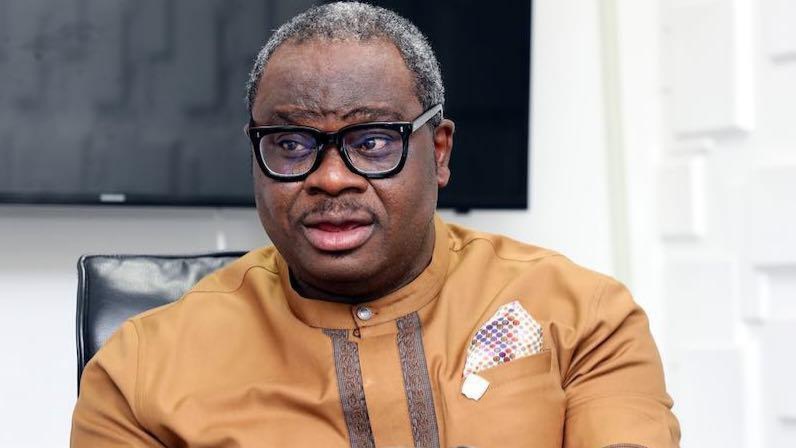
Joy Ogaji, chief executive officer of the APGC, described the decision as a deeply troubling precedent that could undermine the long-term viability of the Nigerian Electricity Supply Industry (NESI), with serious risks of systemic failure if critical financial and structural issues remain unaddressed.
A Subsidy Without a Policy?
Contrary to popular reports that the federal government (FGN) is subsidising the electricity sector, Ogaji asserts that what is currently unfolding is not subsidy support but an unsustainable accumulation of debt. “There is no FGN policy on electricity subsidies. What we are witnessing is unchecked debt accumulation,” she said.

She noted that the monthly invoice for electricity generation averages around ₦250 billion, but only ₦900 billion was allocated for the entire 2025 fiscal year—an amount that, as of July 21, 2025, remains unfunded. Based on EERC’s tariff order, the generation cost per kilowatt-hour is pegged at ₦112, but only ₦45 is reflected in the tariff, leaving a 60% shortfall presumably to be covered by FGN—despite no clear financing plan or cash backing.
“This sets a dangerous precedent, and if this becomes the model adopted by other states, we are heading into a national contagion that must be addressed immediately at the Presidential level,” she warned.
Read also: Overbilling: Enugu Electricity Regulatory Commission orders MainPower to refund 20,000 customers
Legacy Debts, Structural Fragility
The GenCos, Ogaji explained, are currently owed about ₦4 trillion in total, including ₦2 trillion in unpaid invoices for 2024 and ₦1.9 trillion in legacy debts from 2015 to 2023. An additional ₦1.2 trillion is owed for the first half of 2025 alone. These figures reflect an alarming liquidity crisis that threatens the ability of generation companies to remain operational.

The industry, she said, is haunted by broken promises dating back to the privatisation of the power sector over a decade ago.