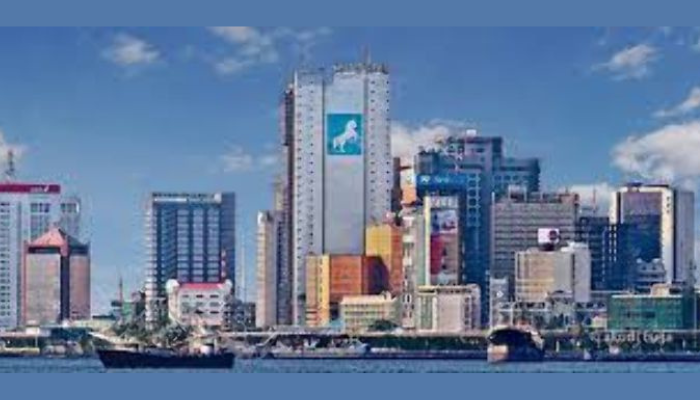
For nearly two decades, I have called Lagos Island home, a vibrant hub teeming with life, commerce, and history. Yet, this energetic landscape is marred by a persistent and deeply concerning issue: the deplorable condition of our roads. In several key areas, including Oko Awo, Orogiri, Oroyinyin, the critical junction from Oyebanji Road to Tom Jones Road, Ojo Giwa, Idumagbo Avenue, Onala, Princess Street, Jankara, and Aroloya, the infrastructure has been allowed to fall into a state of disrepair that directly impacts the lives and livelihoods of countless residents.
The most glaring symptom of this decay is the pervasive flooding that plagues these vital arteries. The roads are frequently submerged under stagnant water, a noxious concoction that is black in colour and emits a foul, offensive odour. This is not a seasonal occurrence; it is a constant reality, a daily battle faced by those who live and work in these areas. The root cause of this chronic flooding lies in the abysmal state of our drainage system.
The human cost of this neglect is readily apparent. Residents and traders alike are forced to navigate this watery landscape, often resorting to wearing boots just to undertake the simplest of daily tasks. This is not a matter of mere inconvenience; it is a daily struggle to maintain normalcy in the face of extraordinary hardship. Business owners see a sharp decline in customer traffic, as potential patrons are discouraged by the difficulty of reaching their establishments. Residents, including children and the elderly, face increased risks of injury and illness as they wade through contaminated water.
Compounding the immediate difficulties are the long-term consequences for the structural integrity of buildings. The constant exposure to stagnant water is slowly but surely weakening the foundations of houses and commercial properties alike. This insidious erosion poses a significant threat to the safety of residents, as buildings become increasingly vulnerable to collapse. The financial implications of this damage are also substantial, as property owners face escalating repair costs and potential devaluation of their assets. The long-term economic sustainability of the area is jeopardised as the infrastructure crumbles and the threat of building collapse looms ever larger.

The foul odour emanating from the contaminated water also contributes to a decline in the overall quality of life, potentially causing respiratory problems and other health issues.
The time for mere acknowledgement of the problem has long passed. What is desperately needed now is decisive action from the government and relevant authorities to address these issues comprehensively and sustainably. The most urgent priority is a complete overhaul of the drainage system. This requires a significant investment in new infrastructure, as well as a commitment to regular maintenance and upkeep. Existing drainage channels must be cleared and repaired, and new systems must be designed to effectively manage the volume of rainfall that is typical of the Lagos climate.
However, these efforts will only be effective if they are coupled with a long-term commitment to sustainable solutions. This includes implementing effective waste management practices to prevent the accumulation of debris in drainage channels, promoting responsible urban planning to minimise the impact of development on the environment, and educating the public about the importance of proper sanitation and hygiene.
The residents of Lagos Island have endured these harsh conditions for far too long. They deserve to live in a safe, healthy, and sustainable environment. It is with this in mind that we make a direct and heartfelt appeal to the Governor of Lagos State, Mr. Babajide Olusola Sanwo-Olu. We implore you to use your good office and executive authority to address these critical issues with the urgency and seriousness they deserve.
We trust that under your leadership, the long-suffering residents of Oko Awo, Orogiri, Oroyinyin, Oyebanji Junction to Tom Jones Road, Ojo Giwa, Idumagbo Avenue, Onala, Princess Street, Jankara, and Aroloya can finally see a tangible improvement in their living conditions.

The future of Lagos Island, a vital part of our state and our nation, depends on it.
Adeniyi Bamgboye is an advisor on accounting, audit, tax and business. He holds an MBA in financial management and is a fellow of Association of Certified Chartered Accountant (ACCA-UK), Institute of Chartered Accountants of Nigeria (ICAN) and the Chartered Institute of Taxation of Nigeria (CITN).